
Ozcon Environmental applications

Wastewater from an industrial facility may contain BOD (Biological Oxygen Demand), COD (Chemical Oxygen Demand), colour, phenol, cyanide, cleaning agents and a range of chemicals. Ozone wastewater applications, which can be combined with UV and/or other physical, chemical or biological processes, provides excellent results in the treatment of such complex wastes due to their high oxidation ability. It reduces the TOC (Total Organic Carbon) by decomposing organic matter in water.
Wastewater from an industrial facility may contain BOD (Biological Oxygen Demand), COD (Chemical Oxygen Demand), colour, phenol, cyanide, cleaning agents and a range of chemicals. Ozone wastewater applications, which can be combined with UV and/or other physical, chemical or biological processes, provides excellent results in the treatment of such complex wastes due to their high oxidation ability. It reduces the TOC (Total Organic Carbon) by decomposing organic matter in water.
With high oxidation power, Ozone is the most powerful and fastest disinfectant known in the bottled water industry. High oxidation power is fully effective in the destruction of bacteria and viruses, colour removal and re-use of water. The application of ozone to the water for 4 to 10 minutes is sufficient for disinfection. It has long been used safely throughout the world due to its low chemical costs, low cost and low operating costs.

The colour caused by organic molecules or substances in water starts to lose its effect by being broken down as soon as it comes into contact with ozone. Ozone applications are great solutions for colour removal in wastewater in many industries.
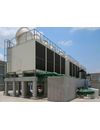
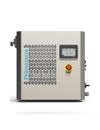
Since swimming pools are open to the air and the environment, pollutants and microorganisms such as dust and algae seeds from the environment also reach the water. Since the pool water is at a certain temperature, if it is not properly and disinfected with the correct chemical, it creates an ideal environment for the growth of algae and bacteria. These bacteria can cause serious ill health-causing diseases. So swimming pool disinfection is very important.

The characteristics of ozone application in the oxidation and denitrification industry: Ozone has a high selectivity to NOx and a fast speed, and O3 can basically complete the oxidation of NO at 0.05s. The absorption of oxidized products should be strengthened by the spray absorption process at the back end. Without heating the flue gas, N2O5 is easily absorbed by the lye, and some heavy metals such as mercury and other heavy metal pollutants are also oxidized and removed by ozone. A high concentration of dust or solid particles in flue gas will not affect NOx removal efficiency. A high concentration of dust or solid particles in flue gas will not affect NOx removal efficiency. According to the NOx concentration of flue gas, can flexible adjustment of ozone production.

Airborne odours and contaminants can come from a variety of sources and are not only unpleasant, but they can also be harmful to one’s health. The environment for the incubation of any type of odour-causing bacteria is frequently places with little ventilation, a warm temperature, and a degree of humidity. Sometimes the odours are so strong that traditional cleaning methods, such as increased ventilation, UV light, or an air purifier, simply do not work. These odours can also have an impact on worker safety and performance in commercial or industrial settings. When businesses are confronted with potentially hazardous odours, ozone is frequently the most effective method of removing them.
Electrostatic Precipitators (ESP) are very effective solutions for filtering smoke and particles formed in plants such as factories, industrial kitchens etc. Particles of 0.3 microns or larger are filtered up to 99% to prevent any disturbances that may occur in the environment. Electrostatic Precipitators are great tools for smoke control and grease control effortlessly.
The odour is the perception of sensible molecules dissolved in the air. Although most odours are formed by organic compounds, many inorganic substances such as hydrogen sulfide and ammonia can emit odours. Odour control can be a very annoying issue for residential areas as well as many businesses. Many methods can be used for odour control in a facility, an industrial kitchen or any business that produces odour like these. Although the most traditional method of this is activated carbon, with the development of technology, more effective, more affordable and more environmentally friendly methods such as UV and Ozone are used today.