

Planet Ecology and Agricultural Services services
Compliance & Engineering

Assessment & Risk-Based Corrective Action
PEI provides a wide variety of site characterization and risk-based corrective action services, ranging from the initial identification of potential soil and groundwater issues to the design, implementation, and monitoring of remedial action programs and systems. PEI`s staff has extensive experience with soil and groundwater issues and provides the following services:

Compliance, Due Diligence, & Litigation Support
PEI provides the capability and experience to interpret and assist in compliance with a multitude of Federal and State environmental rules and regulations. PEI is provides regulatory assistance in all 50 US states and internationally, including, but not limited to:
Air Quality Services
PEI delivers experienced staff to manage air quality issues, including, but not limited to:
Remediation & Field Services
Soil and Groundwater Remediation
PEI is experienced at remediating soil and groundwater contaminated with a wide variety of petroleum products, low level radioactive waste, heavy metals, chlorinated and non-chlorinated solvents, pesticides, polychlorinated biphenyls and other organic and inorganic compounds. PEI`s experience includes both established remediation methods and experience to determine the most efficient,cost effective solution to meet our client`s needs. All PEI our field personnel and remediation project managers are 40-hour OSHA HAZWOPER trained. Remedial services PEI offers include:
Waste Management Services
PEI recognizes that in today`s environmentally conscious society, proper waste management is essential. We take pride in assisting stakeholders manage potential waste management issues through the intricate web of waste regulations, as well as the hands-on handling, packaging, and removal of hazardous and solid wastes at their facilities. In addition, PEI provides source reduction and waste minimization solutions. Representative services include:
Mercury & Chemical Services
Mercury & Toxic Metals Assessment
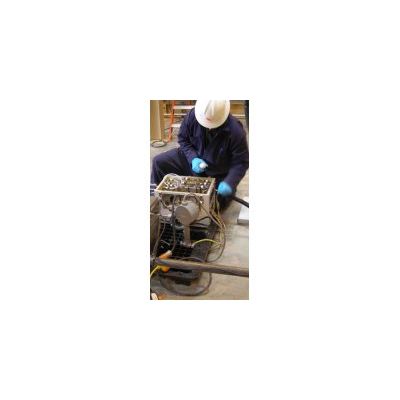
PEI has performed extensive mercury mapping studies identifying and characterizing mercury sources and distribution in entire gas production fields, in gas production equipment on offshore platforms, in natural gas separation and dehydration plants, in midstream gas processing plants, along major natural gas transmission pipelines, and in oil refineries. These studies have provided accurate data for mercury removal unit design and determined the distribution and flux of mercury through gas gathering and processing systems. PEI has designed and implemented monitoring programs for compliance with gas quality agreements at custody transfer points. In addition, PEI has designed gas quality compliance programs including continuous monitoring programs with relative accuracy testing audit components to verify the functionality and accuracy of continuous mercury monitoring systems.

Mercury & Toxic Metals Management
There has been a sustained effort over the last decade by almost every government to reduce anthropogenic mercury releases to the environment. The main reasons for this are the toxicity of mono-methyl mercury to humans and inorganic mercury’s toxicity to aquatic organisms. Mercury and its compounds are soluble in hydrocarbon process streams (crude oil and gas condensates) and the partitioning of mercury into product and effluent streams present complicated waste management problems. Mercury and mercury compounds in hydrocarbon processing presents risks to workers, the environment, and process equipment. Additionally, decommissioning of process equipment and vessels contaminated with mercury present health and safety risks during welding, cutting and grinding operations and can complicate transportation and disposal as recoverable steel.
Process System Decontamination
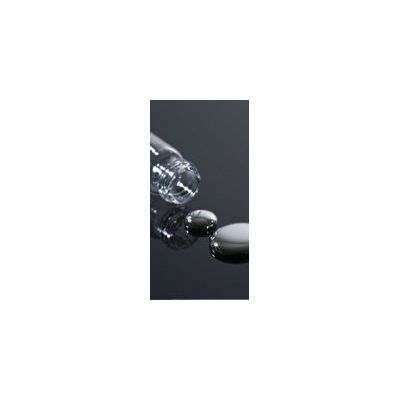
Mercury present in hydrocarbon process streams can react with process equipment surfaces depositing in elemental form and other chemical forms presenting corrosion risks to various metallurgies along with worker health and safety concerns. Inspection activities associated with process equipment can expose workers to mercury through inhalation of mercury vapors as well as dermal contact. Certain precautions are required when inspecting process equipment or planning equipment modifications. PEI has developed proprietary chemistry and chemical process and has qualified teams to decontaminate piping, vessels, and other equipment both offshore and onshore.
Research & Development
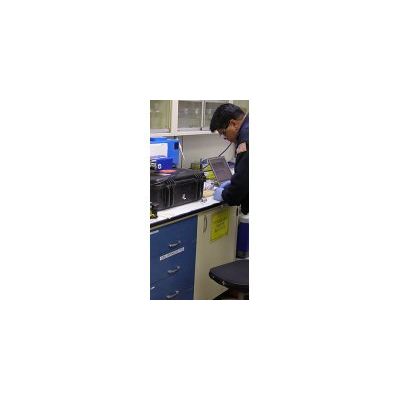
In an effort to mitigate risks associated with production and processing of hydrocarbons impacted with mercury, PEI has established a research and development program focused on mercury sampling and analysis technology and chemical decontamination solutions.

Health & Safety Monitoring
The primary objective of our Health and Safety Monitoring Team is to provide toxic metals health and safety monitoring programs that are clearly defined and executed with precision and accuracy utilizing state of the art equipment and procedures. The primary concerns for worker health and safety in hydrocarbon processing environments involve exposure to mercury vapor and dermal absorption of dialkyl mercury compounds. PEI provides comprehensive health and safety programs designed with a complete understanding of the distribution of mercury and mercury compounds in hydrocarbon processing fluids throughout upstream, midstream, and downstream processes systems.