

Porex - Filtration Group applications
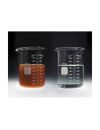
Industries including automotive, aerospace and electronics utilize processes that include metal finishing and metal working to produce or plate products and components. These processes, such as electroplating, can often result in wastewater contaminated with heavy metals that require treatment prior to recycling or discharge. Porex Tubular Membrane Filters (TMF™) provide the best option for many recycling or discharge treatment systems. The Porex membranes combine extremely rugged, durable construction for long life with ease of service and excellent filtrate quality. The effluent can be either directly treated further with Reverse Osmosis or other treatments, recycled without additional treatment or discharged. The Porex TMF system provides the simplest, smallest, most effective treatment system for many metal finishing operations.
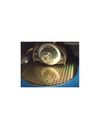
The semiconductor, microelectronics, solar cell and solar panel manufacturing industries use large volumes of process and ultrapure water. The processes using this expensive water often leave contaminants that can be very difficult to remove using conventional water treatment. These include die sawing and backgrinding grit, dissolved metals, fluoride and other residuals.
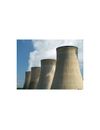
RO Reclaim/Zero Liquid Discharge (ZLD) with Lime Softening for Industrial Processes including Power Plants, Mining Industry, Steel Industry. Typical recycling, reuse and process water systems use Reverse Osmosis (RO) technology as the method of decreasing the level of ions in process water. RO recovery rates normally range from 50-75%, therefore 25-50% of the RO feed water is discharged as wastewater. With the increasing cost of water and waste discharge, more companies are looking to recover and reuse RO reject water.
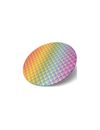
High fluoride levels in wastewater can be problematic for industries using hydrofluoric acid (HF) as a cleaning agent or etchant, such as the semiconductor, solar cell and metals manufacturing industries. HF is also used as a reactant or catalyst in the plastics, pharmaceutical, petroleum refining and refrigeration industries. Fluoride concentrations from these industries may range from 100 to more than 10,000 ppm in rinse waters, but discharge limits are often below 20 ppm.
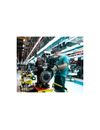
Emulsified oil in wastewater can be problematic for industries wanting to discharge or recycle it, such as the automotive, aerospace, textile and plastics industries. Oil concentrations from these industries may range from 1,000 to more than 100,000ppm in wastewaters, but discharge limits are often below 100ppm. Today, recycle and reuse are needed for any viable water source. To reuse or recycle wastewater, oil levels of less than 30ppm are required.
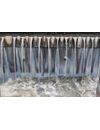
High Solids Filtration - SDI/Solids Reduction: The two (2) main technologies used to reduce suspended solids are clarification and media filtration. Clarifiers require a high level of monitoring and supervision to prevent the passing of large slugs of solids due to temperature and chemistry upsets. In addition, the organic polymers used in clarifiers (to promote flocculation), can also cause problems. An excess of these polymers will foul downstream filtration equipment such as RO membranes or nanofilters. Since these polymers are organic, they present a potential food source for bacteria which results in biological growth and biofouling of piping and downstream equipment.

With the increasing need for recycling industrial waste water – either because of limited water resources or because of stricter waste water discharge regulations – many industrial producers are considering implementation of zero liquid discharge (ZLD) filtration systems. A ZLD system contains several processes that together separate unwanted substances from the waste water to produce high quality water for reuse. ZLD processes virtually eliminate all waste water discharge.
Industrial wastewater applications including metals finishing, semiconductor processes and fluoride reduction utilize cross flow filtration systems to provide optimal flux and prolonged filter functionality. Porex’s cross flow membranes, specifically microfiltration and ultrafiltration membranes, work to create an optimal cross flow filtration system that’s long lasting and easy to service. Our cross flow membrane systems are ideal for processing industrial wastewater due to the higher overall filtration rate, and the fact that the RO reject can be further processed to create zero liquid discharge.