
- Home
- Companies
- Potential Engineering
- Applications
Potential Engineering applications

Oil & grease contribute to land and water pollution. It has a detrimental effect on our environment. Industrial processes, oil spills, and stormwater runoffs are some of the contributors to oil pollution. Some manufacturing processes require oil/grease recovery and at the same time, oil & grease should not exceed acceptable limits in wastewater/effluent at discharge. Wastewater treatment involves Oil and grease removal and, FOG removal.
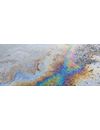
Industries face the challenge of scarcity of fresh water and are now forced to reuse wastewater. Oil is one of the components of industrial wastewater. To reuse wastewater, removal of oil is essential. Whereas, in case of discharge oily water treatment is mandatory to meet the acceptable discharge norms.

Fats are an integral part of the dairy, sugar, and food & beverage industry. Some product processes demand removal of fats. Whereas, the presence of fats in process wastewater may cause a problem for biological wastewater treatment systems. Hence, effective removal of fats by oil and grease removal, FOG removal, and wastewater treatment is essential.

Coolants are widely used in automobile and CNC machining industries. Coolant recovery systems in an industrial set-up primarily clean coolant and other operating fluids by removing free oils and particulate matter that make it suitable for reuse. Coolant recovery is important to keep the larger system clean and to extend the coolant life.

Hydrocarbon storage tanks hold liquids like petrol. diesel, aviation fuel, etc. The type and size of the tanks vary as per application. These tanks deploy a floating suction system to retrieve liquids from just below the surface to eliminate any type of pollutants from entering the withdrawal passage.
Plants are important components of the aquatic environment. When these plants grow in excess, they have detrimental effects on the water bodies and their inhabitants. Removal of aquatic weeds is essential to maintain a healthy aquatic environment.
Floating trash pollution mainly comprises plastic waste. Plastic waste is floating trash that enters the sea and oceans through various water bodies. To recover plastic trash from seas and oceans is a gigantic task hence it is important to control floating trash at various levels before it enters the sea.
Removal of floating scum is essential to reduce organic load and scum build-up for the subsequent treatment processes. There are various types of skimmers that can be deployed for the removal of scum.
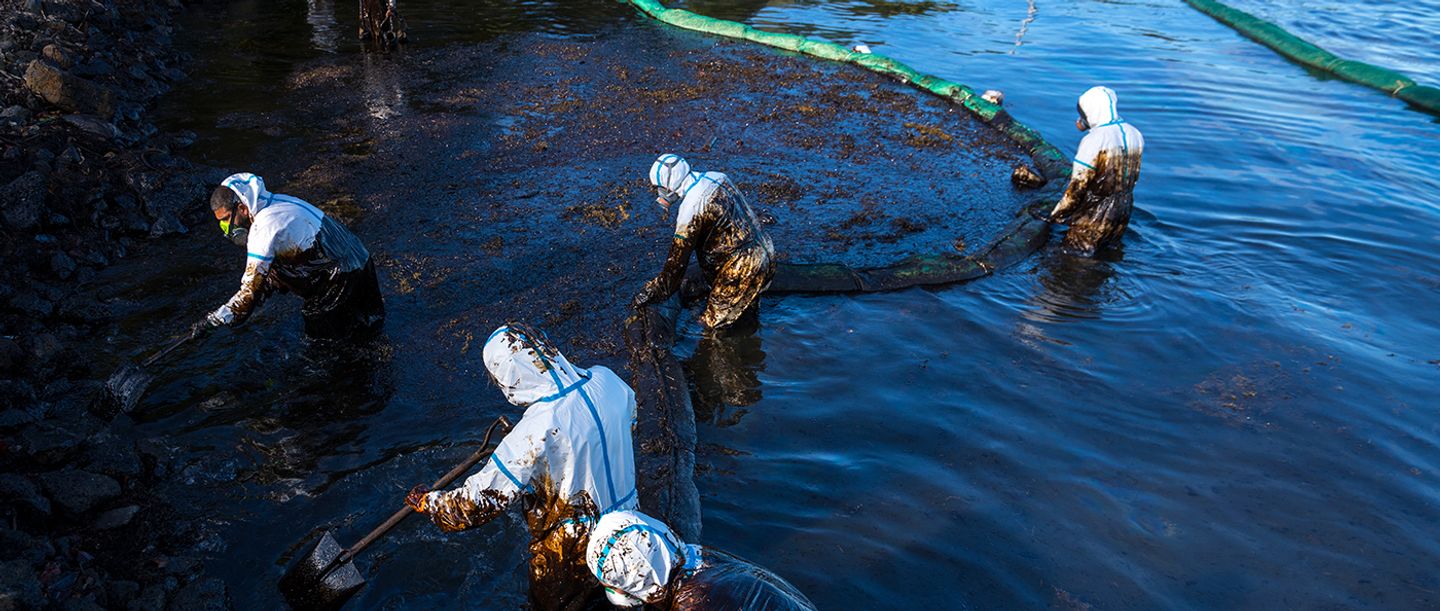
Oil spills are common on land and in water. The harmful effects of oil spills can be mitigated by quick oil spill response action. Authorities have set guidelines for the coast guards and ports to be equipped for oil spill response. The range of equipment is large as the environmental conditions vary which defines the line of action to be undertaken. Marine oil spills may occur due to the release of crude oil from tankers, offshore platforms, drilling rigs and wells, spills of refined petroleum products and their by-products, or the spill of any oily refuse or waste oil. Depending on the type of spill and conditions specific tools & equipment should be deployed for oil spill control and waste oil treatment.
Sludge recovery involves the recovery of valuable oils from wastewater/effluent. Whereas, sludge treatment is the reduction of the amount of organic matter, reducing sludge volume and stabilizing the organic matter for safe disposal. Large volumes of sludge is produced as a by-product of various manufacturing processes. Sludge management in water treatment processes is important to ensure stable treatment throughout the process life cycle. Also, industries are required to treat sludge before discharge to meet PCB norms.