

Professional Environmental Training training
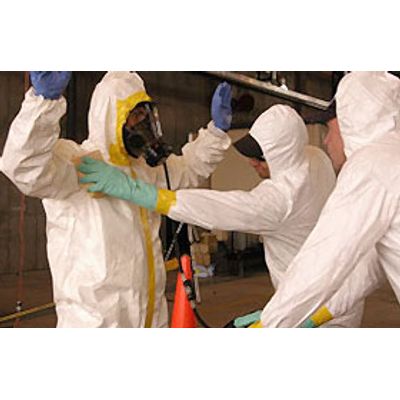
EPA Asbestos Accreditation Course
If inhaled, they can cause diseases which disrupt the normal functioning of the lungs. Asbestos fibers have the capacity to add tensile strength, resistance to fire and corrosion when add to construction material. All of our EPA Asbestos Accreditation Courses are taught in cooperation with Amarillo College and approved by Texas D.S.H.S. and Louisiana D.E.Q. We are also approved to teach the Arkansas Regulatory Awareness 2-hr Course. For more information on a particular course, please call or email us. Photo identification card and a certificate will be presented on successful completion of the course. (Where applicable)
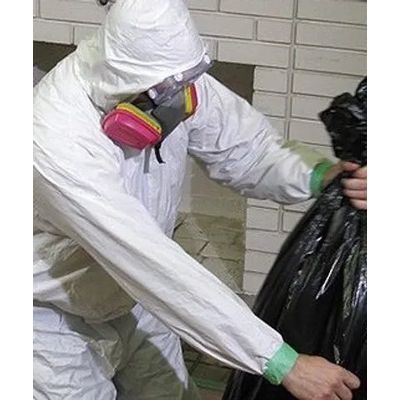
OSHA Lead Training Seminar Course
This overview course emphasizes the OSHA 29 CFR 1926.62 construction industry standard applicable to the removal of lead-based paint for industrial or commercial buildings (non-housing) including disposal requirements.
OSHA Safety Training
OSHA 10-Hour General Industry Outreach Training Program (29 CFR 1910)
This 10-hour program is intended to provide a variety of general industry safety and health training to entry-level workers. This course is designed to be presented to workers, therefore it must emphasize hazard identification, avoidance, control and prevention. There are six mandatory topics to be covered in not less than one hour per topic including: 1) Introduction to OSHA, 2) Walking and working surfaces, 3) Exit routes, emergency action plans, fire prevention plans, and fire protection, 4) Electrical, 5) Personal Protective Equipment (PPE), 6) Hazard Communication.
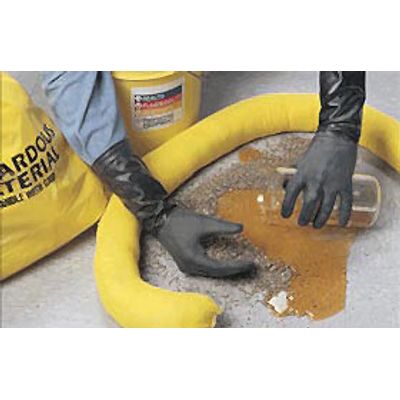
OSHA 30-Hour General Industry Outreach Training Program (29 CFR 1910)
The 30-hour program is intended to provide a variety of training to people with some safety and supervisory responsibilities. Therefore regulatory requirements will be addressed along with hazard identification, avoidance, control and prevention. Required course topics will include: Introduction to OSHA (2 hrs); Walking and Working Surfaces (Subpart D, 1hour); Exit Routes, Emergency Action Plan, Fire Prevention Plans, and Fire Protection (Subparts E & L – at least 2-hours); Electrical (Subpart S – at least 2-hours); Personal Protective Equipment PPE (Subpart I – at least 1-hour) Material Handling (Subpart N – at least 2-hours); Hazard Communication (Subpart Z – at least 1-hour).
OSHA 10-Hour Construction Industry Outreach Training Program (29 CFR 1926)
The 10-Hour Construction Industry Standard program is intended to provide a variety of training on construction safety and health to entry-level workers. The 10-hour classes are designed to be presented to workers, therefore they must emphasize hazard identification, avoidance, control and prevention.
OSHA 30-Hour Construction Industry Outreach Training Program (29 CFR 1926)
The 30-hour program is intended to provide a variety of training to people with some safety responsibility. Of the topics listed below, six hours are mandatory and fourteen hours must be chosen from the optional topic list provided.
HAZWOPER Training Courses
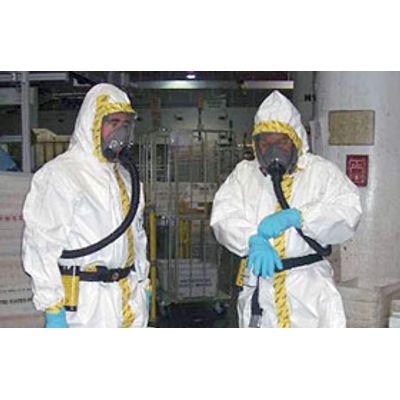
40-Hour - Hazardous Waste Operations and HAZWOPER / Refresher (8 hrs) Course
This course provides information and training for employees engaged in hazardous substance removal or other activities which expose or potentially expose workers or supervisors to hazardous substances and health hazards. 29 CFR 1910.120 (e)(3)(i)
24-Hour - Hazardous Waste Operations and Hazwoper / Refresher (8 hrs)
This course provides information and training for employees engaged in hazardous substance removal or other activities which expose or potentially expose workers or supervisors to hazardous substances and health hazards. 29 CFR 1910.120 (e)(3)(i).
Resilient Floor Covering Institute (RFCI)
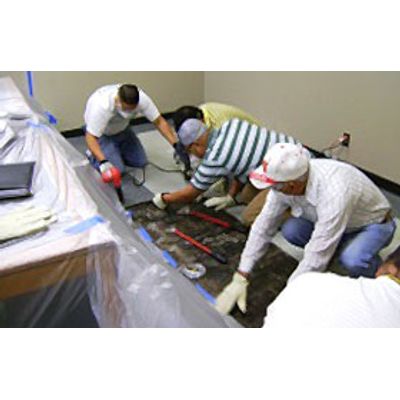
RFCI Training Course - Workers (8 hrs) Supervisors (12hrs)
The Texas Asbestos health Protection Rules allows the use of the RFCI recommended work practices for the removal of resilient floor covering to remove floor tile and adhesive. Persons who remove resilient floor covering materials in public buildings are exempt from the licensing and regulation requirements provided they are trained and use the RFCI recommended practices and procedures. These courses are taught on a contracted basis only.
Indoor Air Quality
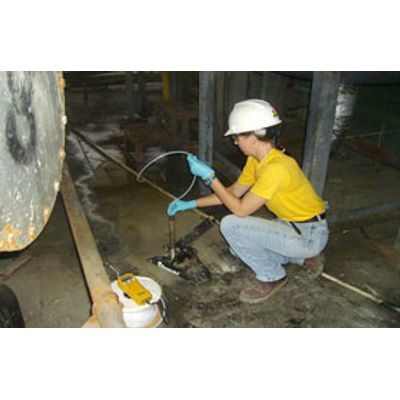
Indoor Air Quality Course (2 days / 16hrs)
This course distinguishes between sick building syndrome and building related illness. Discuss factors contributing to the rise of occupational allergy and asthma in occupational settings. Review microbiological considerations and the significance of particulates as they relate to indoor air quality. Site legal and regulatory considerations in managing indoor air quality issues. Describe evaluation of remediation approaches to indoor air quality problems. Taught on a contracted basis only.