

PuriTech Bvba applications
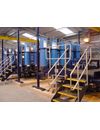
Since nitrates are very soluble and do not bind to soils, they have a high potential to migrate into groundwater. For short-term, excessive levels of nitrate in drinking water has caused serious illness and sometimes death. The serious illness in infants is due to the conversion of nitrate to nitrite by the body, which can interfere with the oxygen-carrying capacity of the child’s blood. This can be an acute condition in which health deteriorates rapidly over a period of days. Symptoms include shortness of breath and blueness of the skin. The presence of nitrite in the digestive tract of infants can lead to a disease called methemoglobinemia or infant cyanosis. This condition is also known as “blue baby syndrome” because of the bluish coloring of mucous membranes in infants.
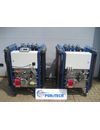
Deionized water, also known as demineralised water, is water that has had its mineral ions removed, such as cations like sodium, potassium, calcium, magnesium, iron, and anions such as chloride, nitrate, sulfate, bicarbonate and even silica.
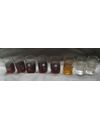
All surface waters contain varying amounts of naturally occurring organic acids. The most commonly encountered being tannic and humic. These substances have varying molecular weights and varying amounts of carboxylic functionality. There has been much interest in the removal of these substances from drinking water supplies due to their tendency to form THM`s when chlorinated. They can be removed effectively by use of anion exchange resins operated in the chloride form. Because the organics can be removed by regeneration with brine, this technology is far most economical.
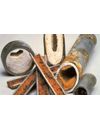
Ion exchange is an effective, versatile means of conditioning boiler feedwater. The term “ion exchange" describes the process : as water flows through a bed of ion exchange material, undesirable ions are removed and replaced with less objectionable ones.

Nitrogen is a nutrient essential to all forms of life as a basic building block of plant and animal protein. Nevertheless, too much of it can be toxic.
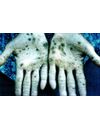
Arsenic is a common, naturally occurring drinking water contaminant that originates from arsenic-containing rocks and soil and is transported to natural waters through erosion and dissolution. Arsenic occurs in natural waters in both organic and inorganic forms. However, inorganic arsenic is predominant in natural waters and is the most likely form of arsenic to exist at concentrations that cause regularity concern.
Boron is an essential trace nutrient, but if found in levels higher than 0.3 mg/L it can be very damaging to agricultural crops when present in irrigation water. It is also a known teratogen, causing potential damage to human reproduction. Boron is usually found at low levels, averaging