

- Home
- Companies
- Rand Water
- Services
Rand Water services
Consumption patterns
In the early days, Rand Water’s main consumer was mining activities. This has evolved over the decades, reflecting the changing face of Gauteng, and it is believed that at least 70% of our water is supplied to the urban domestic consumers that now dominate our market. Thus, demand growth is now closely linked to population growth rates, with economic growth playing a secondary role. For some time now, population growth has been slowing, and this trend is projected to continue. This trend is recognized internationally in urbanizing populations. In SA, it is compounded by the impact of AIDS on fertility and mortality rates. Growth in demand in the short term is expected to be about 2.5% per annum, dropping to 2% per annum by 2020, and continuing to drop thereafter. Effective water demand management could reduce growth further.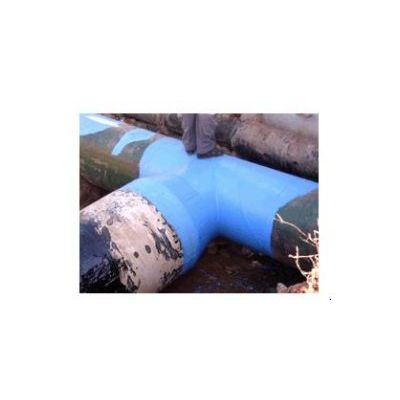
Infrastructure management
Rand Water’s operates a pipeline network some 3 056 km long, two big combined pumping and purification stations (at Vereeniging and Zuikerbosch), four booster pumping stations (Zwartkopjes, Palmiet, Mapleton and Eikenhof) and a number of enclosed reservoirs. Twothirds
of the value of this infrastructure, estimated to be worth about R30 billion, lies in the pipelines.Rand Water’s current infrastructure is adequate to meet customers’ needs in the regions it serves until 2012. In 1965, Rand Water was supplying 1 000 megalitres a day (Ml/d). Demand is expected to increase four-fold to 4 000 Ml/d by 2012.Rand Water is ensuring that it is ready for the demands of 2020 and beyond by focusing on infrastructure refurbishment and development.
Storage system management
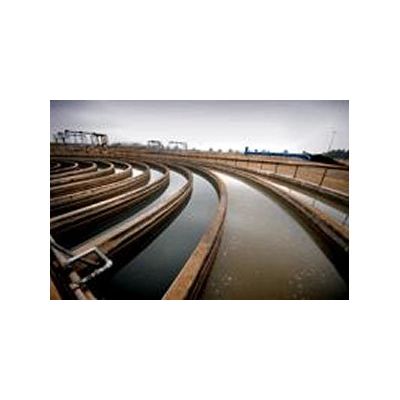
Rand Water abstracts water from the Vaal Dam and treats it at the Vereeniging and Zuikerbosch Purification and Primary Pumping Stations and then pumps it at a head of approximately 180 to 360 metres to the main Booster Pumping Station, Zwartkopjes and its three satellite Booster Pumping Stations, Palmiet, Eikenhof and Mapleton.
Water analysis
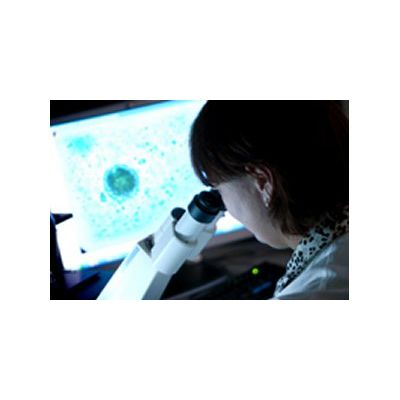
Water is tested for compliance prior to supplying to municipalities.Rand Water Analytical Services is fully accredited by the South African National Accreditation System (SANAS) and demonstrates the organisation’s acceptance of international quality standards. The laboratory participates in national and international proficiency testing schemes to continuously monitor the quality of its data.
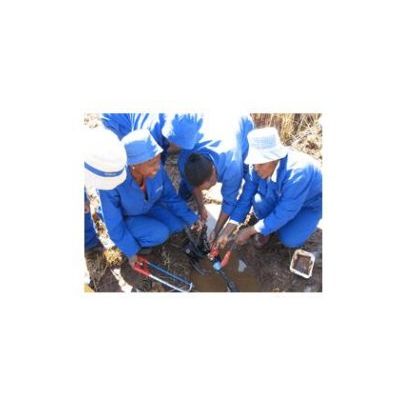
Domestic Leaks Repairs Projects
Water wastage through leaking pipes is one of the most pressing challenges facing the municipalities. Pipes leakage has a domino effect as services become unaffordable to the poorer communities with subsequent minimal collection of service revenue by the municipalities. In response to this challenge, CBPD has over the past ten years partnered with various municipalities to implement projects aimed at reducing water losses from leaking plumbing installations. This entails fixing and retrofitting of leaking pipes, toilets and taps to the households identified by the municipalities.