

Rescue Solutions LLC articles
Discussing the cost of CPR training is not merely a financial decision but a strategic move toward enhancing workplace safety. The cost varies based on several factors, including the complexity of the training, the level of certification required, and the number of participants. For companies, understanding these cost components is essential to make informed decisions. The value of CPR training goes beyond its price tag, as it equips employees with vital life-saving
In employee safety and business continuity in Kentucky, hole watch personnel play a critical role in ensuring the well-being of workers involved in confined space activities. A hole watch, or confined space attendant, is a trained individual who plays a key role in ensuring the safety of workers operating in confined spaces. Their primary responsibilities include monitoring the safety conditions inside and around the confined space, maintaining communication with the workers inside, and initi
The position of a confined space supervisor is pivotal in ensuring safety in challenging work environments. A confined space supervisor is responsible for overseeing and ensuring workers’ safety in environments not designed for continuous occupancy and may present hazards. This role requires specialized knowledge and skills to identify potential risks and implement safety protocols.
In industries where workers must navigate tight and potentially hazardous areas, understanding the dynamics of a confined space team is essential. These teams are not just groups of individuals; they’re highly trained professionals, each with a specific role, working together to ensure everyone’s safety. In this article, we’ll break down the various roles within a confined space team and shed light on their cru
Confined spaces, while crucial for various industries, can be silent killers if not approached with caution and expertise. These enclosed areas, such as tanks, silos, and tunnels, often harbor unseen dangers like toxic gases, limited oxygen, and the potential for entrapment. To navigate these hazards safely, confined space entry training is not just a valuable asset; it is an absolute necessity.
In workplaces where hazardous materials are handled, safety is paramount. HAZWOPER, short for Hazardous Waste Operations and Emergency Response, is a critical set of regulations established by the Occupational Safety and Health Administration (OSHA) in the United States. HAZWOPER ensures the safety of workers involved in hazardous waste operations and emergency response activities. In this ultimate guide, we delve into the essential aspects of HAZWOPER, its training requirements, and its vita
Confined spaces can be deceptive in their apparent tranquility, hiding potential dangers that demand meticulous assessment and management. Whether you’re a safety professional, a worker, or an employer, understanding confined space risk assessment is crucial for safeguarding lives and ensuring compliance with safety regulations.
Workers in energy production often face intricate challenges that demand skill and caution. One of the critical aspects of ensuring a safe and efficient work environment in power plants is understanding and navigating confined spaces. Power plant confined space training is not just a procedural formality; it’s a pivotal tool that guards against potential hazards and promotes best practices.
In hazardous workplaces, confined spaces pose unique risks that require specialized attention. These environments can be treacherous, with limited entry and exit points, as well as the potential for hazardous substances or atmospheric conditions. To address these dangers, confined space rescue teams play a crucial role. In this article, we will delve into the confined space rescue team responsibilities, highlighting their essential tasks and the importance of their presence in safeguarding li
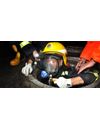
Confined spaces, such as tanks, tunnels, and silos, are an integral part of various industries, from manufacturing to construction. While these spaces serve essential purposes, they can also be treacherous due to the presence of atmospheric hazards. Understanding and mitigating these atmospheric hazards in confined spaces is paramount to ensuring the safety of workers who must enter confined spaces as part of their job responsibilities.