

Robertson Microlit Laboratories Inc services
Elemental Analysis
Halogens/Sulfur Services
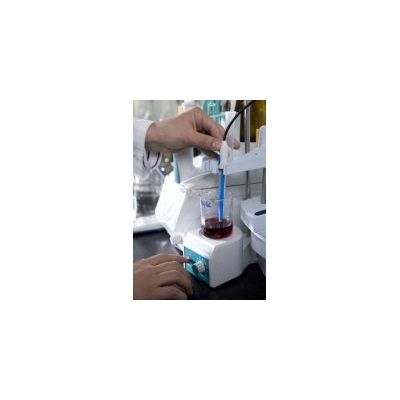
Robertson Microlit Laboratories performs both ionic and organically bound halogen and sulfur determinations in pharmaceutical or chemical compounds from percent to ppm-levels on a routine basis utilizing classical wet chemistry as well as instrumental and chromatographic techniques.
Chromatography
Ion Chromatography Services
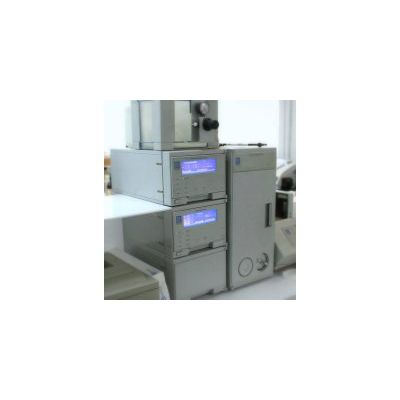
Ion Chromatography (IC), a hybrid method, is a preferred method for the determination of inorganic and organic ions. Direct aqueous dissolution provides for assay detection limits of ppm to the percent range. For compounds that require conversion of organically bound elements, the detection limit is 0.05% or lower. Proprietary techniques and the use of Dionex Instrumentation make it possible to analyze ion concentrations from ppb to the percent range without the chemical interferences that are normally associated with titrimetric and photometric assays. Standard ions routinely analyzed at RML consist of SO4¯, Cl¯, Br¯, AcO¯, TFA ¯, I¯, PO4 ¯. Other ions are available but require a discussion with our chromatography specialist.
Titrimetry
Karl Fischer
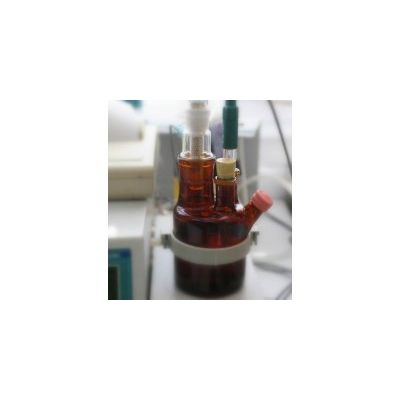
Karl Fischer Coulometry quantitatively measures moisture Content (approximately 0.10%- 5%) in liquids or solids in the range of 10 micrograms to 10 mg. of water using 3 - 10 mg. of material. Robertson Microlit utilizes Coulometric Titration, which affords greater sensitivity and requires smaller amounts of material than the Volumetric Titration method. We also perform Karl Fischer desorption analysis using an attached oven under nitrogen.
Spectroscopy
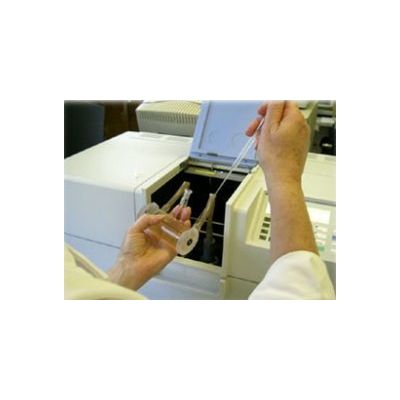
Optical Rotation
Optical activity is the property of some substances, including certain active pharmaceutical ingredients, enabling the rotation of a beam of plane-polarized light. Polarimetry, the measurement of optical activity, is often the only convenient means for distinguishing optically active isomers from each other, and therefore provides an important methodology for the determination of identity and purity. Robertson Microlit Laboratories can provide measurements of optical rotation for liquid substances, or specific rotation for solutions of solid substances at five discrete wavelengths under controlled temperature conditions. Typically, 10 - 20 mg of sample is required for this determination, depending upon your analytical requirements.
Thermal Analyses

Melting Point/Melting Range
Melting Range or Melting Point is defined as those points of temperature within which, or the point at which, the first detectable liquid phase is detected to the temperature at which no solid phase is apparent. Factors influencing this phase transition include sample size, particle size, the efficiency of heat diffusion, and the rate of heating. For some materials, the melting process may be accompanied by simultaneous decomposition, which may impair the precise determination of this property. Robertson Microlit Laboratories can determine melting range, melting point, or decomposition temperature of submitted samples either visually, or instrumentally and precisely through the interpretation of an acquired thermogram.
USP Testing
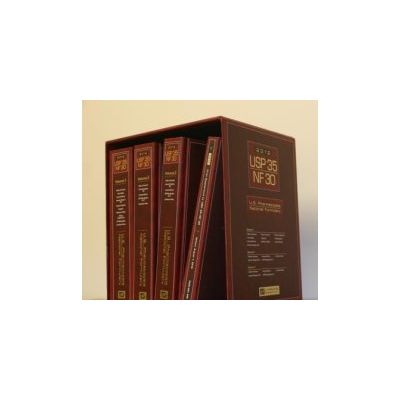
USP Testing Services
Robertson Microlit Laboratories routinely performs several USP monograph analyses: USP Residue on Ignition, USP Heavy Metals*, USP Elemental Impurities, USP Identity Testing. *Will become obsolete and replaced with USP .