


Schutte & Koerting products
Eductors and Syphons
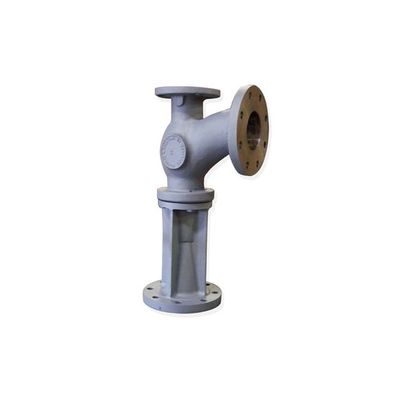
Schutte & Koerting - Water Jet Eductor
Fig. 264, Fig. 266 and Fig. 265 Water Jet Eductors are designed for liquid pumping and mixing operations and for the handling of some solids. In operation, pressure liquid enters the eductor through the pressure nozzle and produces a high-velocity jet. This jet action creates a vacuum in the line which causes the suction liquid to flow up into the body of the eductor where it is entrained by the pressure liquid. Both liquids are thoroughly mixed in the throat of the eductor and are discharged against back pressure. The streamlined body permits the pressure liquid to move straight through the eductor and reduces the possibility of solids in the suction material from collecting and clogging.
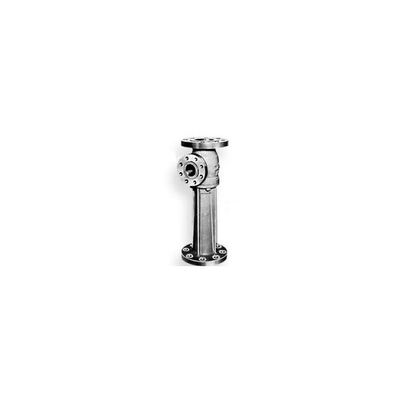
Schutte & Koerting - Condensate and Mixing Eductor
Fig. 242 Condensate and Mixing Eductors are designed to mix two liquids intimately in various proportions in operations where the pressure liquid is the greater proportion of the mixture. Typical applications include removal of condensate, mixing gasoline with acid, blending and proportioning chemical solutions, and diluting acids and alkali. In operation, the pressure liquid issues from the nozzle at high velocity and entrains the suction liquid. The extreme turbulence in the throat of the eductor mixes the two liquids, blending and emulsifying thoroughly and completely.
Solids Handling Eductor

Schutte & Koerting - Pneumatic Conveying Eductors for Dry Solid Material Handling
Fig. 217P and Fig. 218P Pneumatic Conveying Eductors for Handling Dry Solids employ motive air from a compressed air source or a blower to entrain and transport solids. The motive air is expanded across the nozzle creating a vacuum in the suction chamber drawing the product into the eductor. The motive air and entrained solids are carried through the diffuser section of the eductor and discharged into the conveying system.
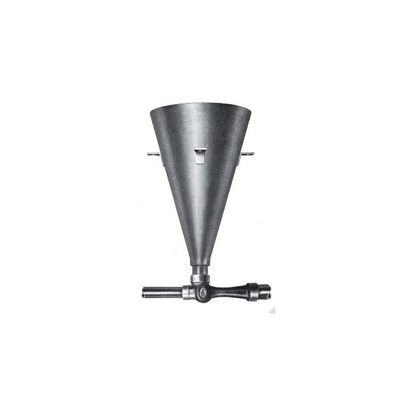
Schutte & Koerting - Liquid eductors for dry solids handling
Eductors Using Liquid in Handling Dry Solids use liquid under pressure which issues through a nozzle in the eductor and produces a high velocity jet. This creates a suction in the body of the eductor and causes the suction material to be drawn into the eductor and entrained by liquid. Both the motive liquid and the entrained material are intimately mixed in the throat of the eductor and are discharged against back pressure.
Steam Jet Heaters
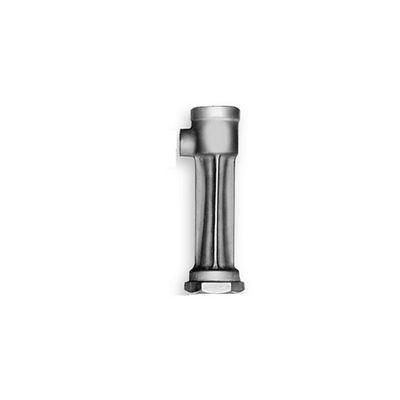
Schutte & Koerting - Slurry Heater
Slurry Heaters’ primary application is in the cooking of grain, mash, or starch slurry. Other applications vary from simple pumping of semi-solids to process applications involving reactions caused by addition of steam. Cold slurry to be heated is pumped from a container into the heater. Steam enters the heater through the other inlet. An intimate mixing of the slurry and the steam occurs in the venturi throat and the slurry absorbs the heat of the steam. The hot slurry is discharged from the discharge connection for further processing. A regulator in the steam line controls the pressure of the live steam admitted.
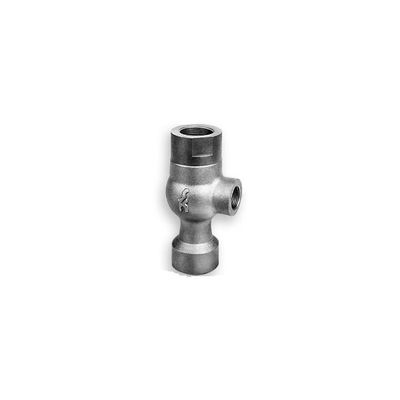
Schutte & Koerting - Simplex Heater - Continuous Pipeline Steam Jet Heater
Simplex Continuous Pipeline Steam Jet Heaters combine liquid under pressure with steam at a higher pressure. Pressurized liquid enters the heater and flows through an in-line perforated combining tube concentric to the diffuser. Steam enters the heater and passes into the combining tube, and intimately mixes with the liquid in the tube and venturi. The steam completely condenses and heats the liquid. The mixture discharges at no loss in liquid pressure.
Exhausters & Compressors
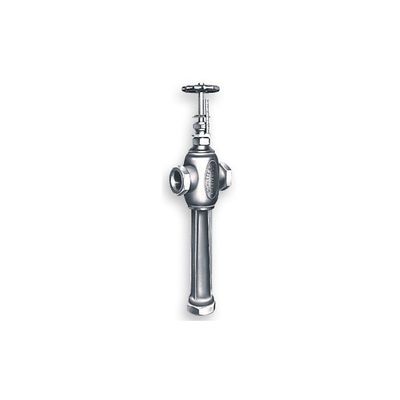
Schutte & Koerting - Steam Jet Exhauster & Gas Jet Compressor
Principle of Operation: Because Fig. 430 and Fig. 431 Steam Jet Exhausters can be operated with compressed air, they can be used in places where steam is not available or where heating might be objectionable. When operated with compressed air, they can be used to move solids. Steam and Air Jet Exhausters operate on the jet principle. Live steam or compressed air enters the exhauster through an inlet and flows through an expanding nozzle. Issuing from the nozzle at high velocity, the jet discharges into the diffuser, produces a powerful suction which entrains air or vapors through the suction connection, and compresses the air or vapor enough to discharge against backpressure.
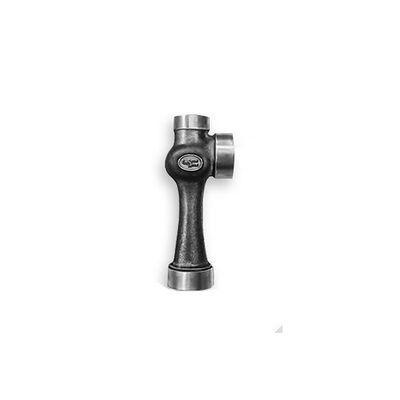
Schutte & Koerting - Steam Jet Vacuum Pump
Principle of Operation: The Fig. 517 Steam Jet Vacuum Pump operates on the steam jet principle, utilizing the energy of steam to create vacuum and handle process gases. Steam under pressure enters at the nozzle and produces a high velocity jet. This jet action creates a vacuum that draws in and entrains the suction gas. The mixture of steam and gas is discharged at atmospheric pressure. The simple design prevents solids from collecting and clogging the action. Also, pressure drop in the suction chamber is held to a minimum.
Steam Jet Vacuum Systems
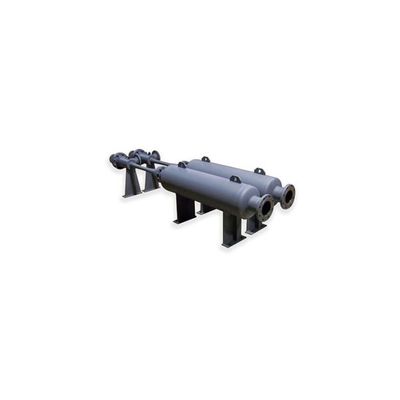
Single-Stage Steam Jet Ejector
Principle of Operation: Fig. 555G, Fig. 555H, Fig. 556, and Fig. 562 Single-Stage Steam Jet Ejectors are based on the ejector-venturi principle. In operation, steam issuing through an expanding nozzle has its pressure energy converted to velocity energy. A vacuum is created and the high velocity of steam entrains air or gas and the mixture of gas and steam enters the converging end of the venturi, passes through the diffuser where its velocity energy is converted into pressure sufficient to discharge against a predetermined back pressure.
Scrubbers
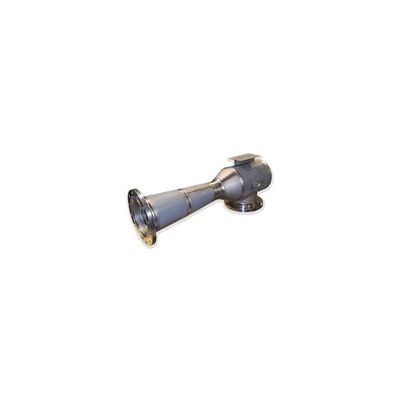
Schutte & Koerting - Ejector Venturi Gas Scrubber
Ejector Venturi Gas Scrubbers are very effective at removing noxious gases, particulates, odors, fumes and dusts from gas streams. Particulate contaminants are removed through impaction by the high velocity spray of scrubbing liquid. Gases and odors are eliminated through absorption and/or chemical reaction between the gases and scrubbing liquid. When properly matched to the application, these scrubbers, by their nature, are better able to cope with the high temperatures, heavy contaminant loads, and corrosive conditions often encountered.