


Shandong Tianlang Co,.Ltd. products
Incinerator - Medical Waste Incinerator
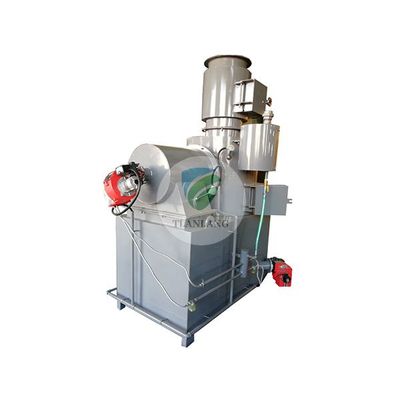
Model TLFS-20 - 20Kg Medical Waste Clinical Waste Incinerator
1. medical waste incinerator for garbage treatment is a kind of various hospital waste treatment method. 2. The medical waste Incinerator can reduce the solid mass of the original waste by 80–85% and the volume reduced by 95–96%. 3. The highest temperature of incinerator runing can reach 1100-1300 degrees Celsius, which can achieve the effect of sterilization and disinfection. 4. There will be no smoke, no smell, no pollution after waste be burning. 5. It features unique and advanced merits with compact size, high burning effect, reasonable burning technology, high degree of non-harm etc. It is an ideal choice for waste treatment of hospitals, hotels and various areas.
Anaerobic Reactor
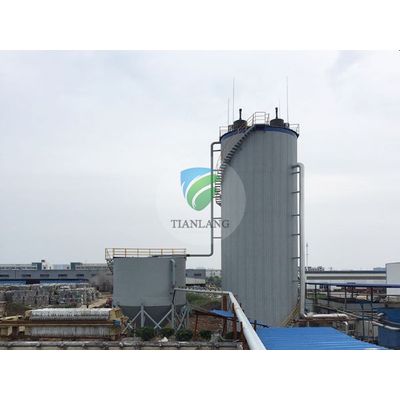
Ic Anaerobic Reactor
The TLIC (internal circulation) reactor is a new generation of high-efficiency anaerobic reactor. The wastewater is in the reactor from bottom to top, the pollutants are adsorbed and degraded by the bacteria, and the purified water flows out from the upper part of the reactor. The TLIC anaerobic reactor is developed on the basis of the UASB reactor. Like the UASB reactor, the IC anaerobic reactor can form high bioactive anaerobic granular sludge, but the difference is the inside of the reactor.
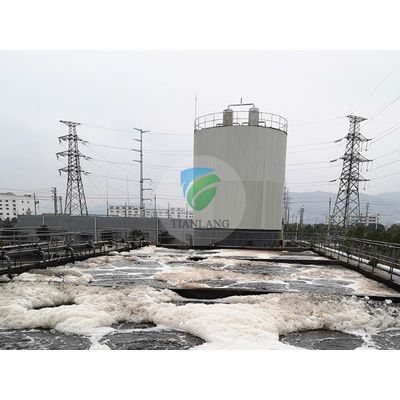
Egsb Anaerobic Reactor
EGSB is an expanded granular sludge bed reactor, which is a third-generation anaerobic reactor in which the granular sludge bed is partially or fully "expanded". To increase speed, the EGSB reactor uses a large height-to-diameter ratio and a large reflux ratio. At high speeds and agitation of the gas, the contact between the wastewater and the granular sludge is more sufficient. Due to good mixed mass transfer, all active bacteria in the EGSB reactor, including bacteria inside the granular sludge, can obtain organic matter from wastewater, that is, more microorganisms in the EGSB participate in the water treatment process. This allows the wastewater to have a short hydraulic retention time in the reactor.