


Shenzhen Huazheng Precision Technology Co., Ltd products
5-Axis CNC Machining
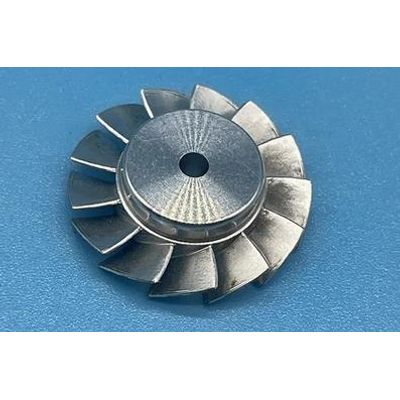
Huazheng - High Precision 5-Axis Spare Parts
5-axis CNC was developed to make sophisticated and precise products on one machine, it can cut chips on multiple sides of a part simultaneously in one setup. In addition, the process reduces idle time, increases accuracy, and increases the overall speed of production. The 5-axis machining has many benefits over a traditional machining center.
Die Casting
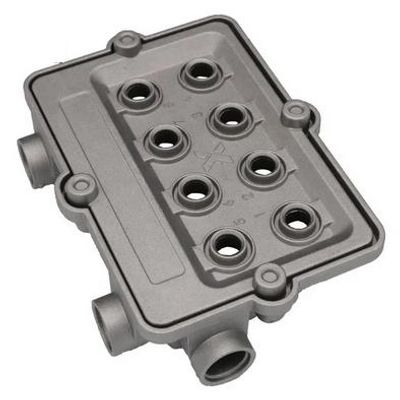
Huazheng - Aluminum Die Casting Telecommunication Housing Parts
Aluminum die casting is the method of choice for many automotive, industrial, and telecommunications products. It’s also often used to produce electrical, hydraulic, and lighting components.
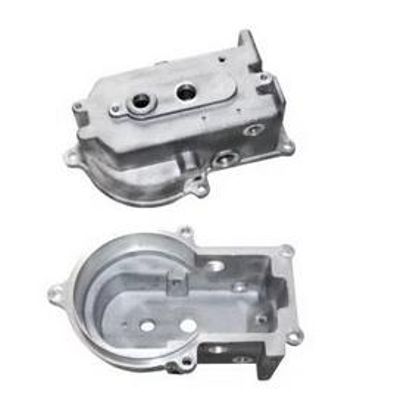
Huazheng - OEM Precision Aluminum Die Casting
Aluminum die casting is a metal-forming process that allows for the creation of complex aluminum parts. Ingots of aluminum alloy are heated to very high temperatures until they are entirely molten.The liquid aluminum is injected under high pressure into the cavity of a steel die, also known as a mold. The die is made up of two halves, and after the molten aluminum has solidified, they are separated to reveal the cast aluminum part.
Metal Sheet
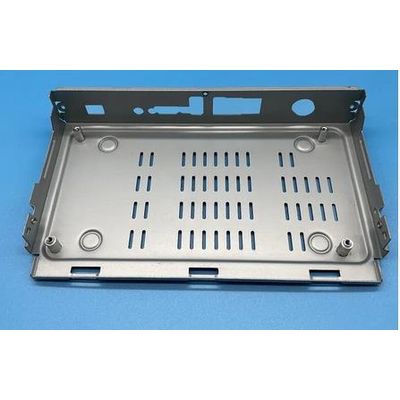
Huazheng - Stainless Metal Sheet
Stainless steel is everywhere.The finish can vary from brushed to smooth, but no matter which you choose you’ll get a surface that’s highly resistant to corrosion and staining, even when exposed to acidic compounds. That makes it popular in laboratory situations, too. Stainless steel’s magic comes from the combination of chromium and nickel to create this durable metal alloy. We offer both 304 and 316 stainless. If corrosion is a concern, you may want to choose 316 stainless, although it is somewhat more expensive. The addition of molybdenum in 316 makes this more suitable for challenging situations, and especially for outdoors and marine use.
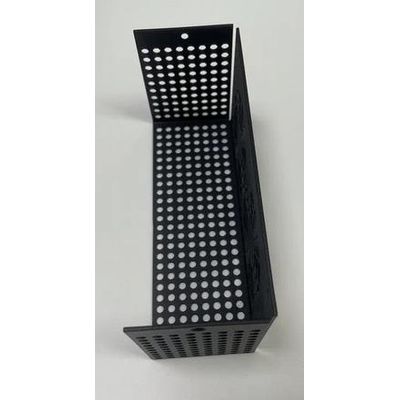
Huazheng - Precision Metal Sheet Parts
Precision sheet metal fabrication refers to some of the exact same methods and techniques as “non-precision” but to a closer degree of tolerance. This will sometimes take the design engineer more time to look at the material properties, stretch calculations, grain direction, and other in-depth research in order to obtain the precision needed.