

Sierra Piedmont, Inc. services
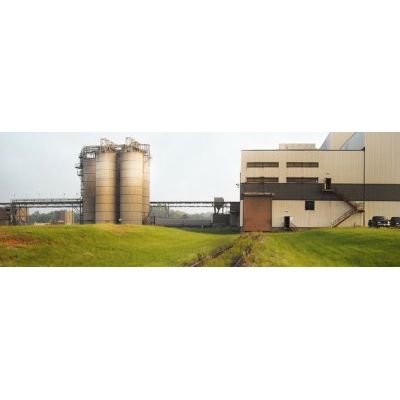
Facility Assessment
Many times regulation does not specifically require an issue be considered or it may be out of scope for a routine Phase I ESA. Or, in other cases addressing a particular issue does not neatly fit under a broad based program such as the Clean Water or Air Acts. There are a variety of facility assessments, supported by sampling or field observation that allow you to remain in compliance. Four of the most common areas of interest today are mold, lead-based paint, asbestos and compliance with the Americans with Disability Act (ADA) audits.
Due Diligence
Phase I ESA
Sierra Piedmont has completed thousands of Phase I Environmental Site Assessments (ESAs), which are assessments of properties ranging from raw timber land to developed structures, supported by historical data. Sierra follows the American Society for Testing and Materials (ASTM) standard, modified to meet the “All Appropriate Inquiry” criteria, unless a client has other specific needs. In many cases, we have assisted our clients in the preparation of their corporate-wide ESA form based on their unique facility conditions and corporate risk profile.Phase II ESA
After Recognized Environmental Conditions (RECs) are identified, a Phase II ESA may be necessary to have a better understanding of potential contamination of the property. This type of study moves the project investigation from a visual, non-intrusive study to one including physical sample collection, laboratory analyses and evaluation with local, state and federal regulations.Soil & Groundwater
Investigation
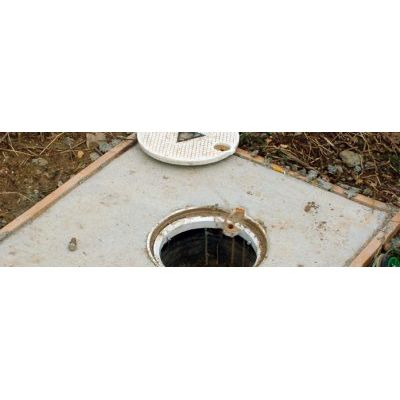
Every project that Sierra Piedmont is responsible for starts with investigation. It’s the classic “4 W’s-who, what, where, and why. Once we are able to talk with the client and research the site, we may decide that historical records, interviews, and electronic data searches are sufficient. Alternatively, we may quickly identify the need for physically intrusive assessment activities. Either way, we commit the personnel necessary to meet the tasks in a timely and cost-effective manner.
Groundwater Monitoring & Modeling
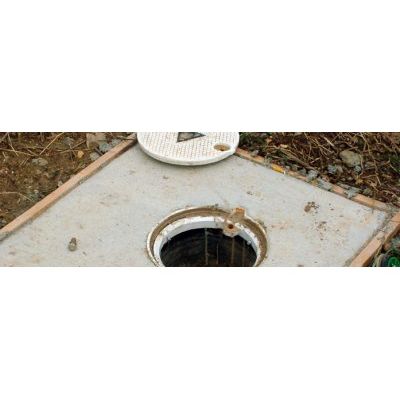
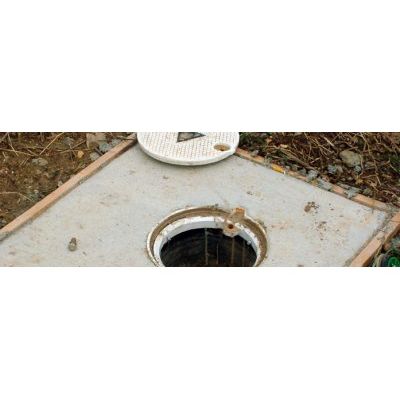
How do you know if you’re doing a good job? You set goals, observe your progress against milestones and adjust when it makes sense.. That’s what groundwater monitoring is about too. Groundwater monitoring programs are used for various reasons. One reason is to create a baseline for the site that alerts us to new issues that may arise. Another reason we use groundwater monitoring is to evaluate the effectiveness of remediation. In addition, most state regulations require groundwater monitoring, and the data collected shows if contamination levels have increased, decreased, or remained constant. This data will then determine if more work is required or if we can begin moving the site towards closure. In any case, groundwater monitoring is an effective and inexpensive way to determine the future of a site.
Petroleum & Hazardous Constituents
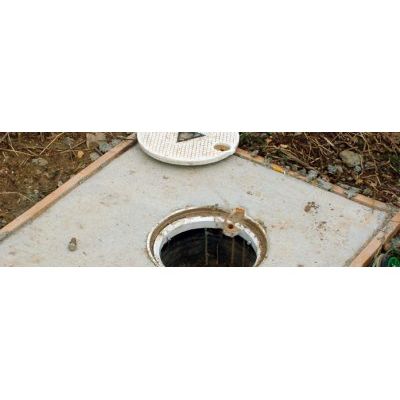
Liquid spills or leaks sometimes occur even with our best preventive efforts. However, since the 1970s, science and engineering have made significant improvements in addressing these occurrences. Sierra Piedmont has performed soil and groundwater investigations in a variety of geologic and industrial settings. The predominant spill releases have, for several decades, been petroleum retailers or others with underground storage tanks (USTs). While these tanks are “physically” more safe underground, they are environmentally more hazardous due to the inability to easily inspect them. In addition, automotive paint shops, dry cleaners, and others have used, containerized, and disposed of hazardous wastes often in a manner inconsistent with regulations.
Remediation
Remediation is defined by the Environmental Protection Agency as “cleanup or other methods used to remove or contain a toxic spill or hazardous materials.” Sierra Piedmont has designed, tested, installed and evaluated many soil and groundwater remediation systems. Sierra Piedmont stays abreast of the latest technologies by attending training sessions sponsored by theoretical and application leaders such as The Air Force Center for Environmental Excellence (AFCEE), The National Ground Water Association (NWGA)and Nielsen Environmental Field School.