

Siri Marine software
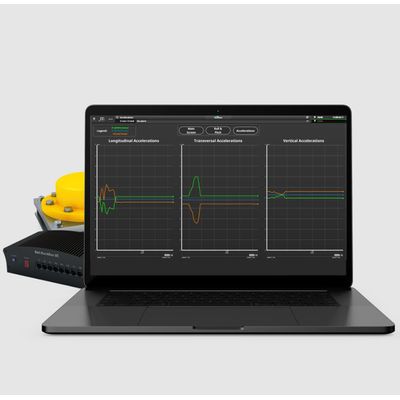
Cargo Monitoring System
All project cargo and heavy lift transports are subject to thorough preparations, with sufficient safety margins in place. However, after departure, the master of the vessel is only guided by good seamanship, weather forecasts, and routing advice. Motion limits are defined in the transportation manual, but it is virtually impossible to observe actual wave heights, accelerations, and accurate roll & pitch motions. For this reason, it is important that motion parameters are measured, not estimated.
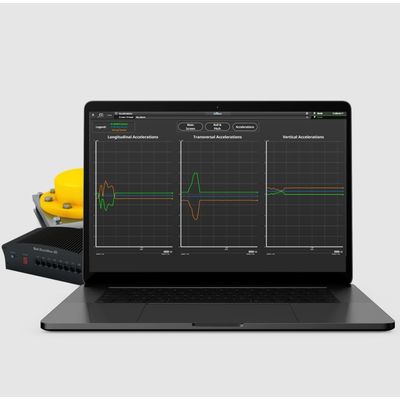
Structural Integrity Monitoring System
Structural integrity management of offshore oil & gas installations is becoming increasingly important with an aging population of assets in the North Sea, and around the world. These structures are subject to huge forces during their operating life. Installation of foundations and topsides, rig moves and jacking operations combine with wind forces, wave slamming, jack-up leg subsidence, and even earthquakes in specific seismic areas. In the long term, all oil & gas installations will suffer from fatigue. The question is, to what extent will they suffer, and will they remain productive during or even beyond their design lifetime? The answer starts with collecting data via structural integrity monitoring.
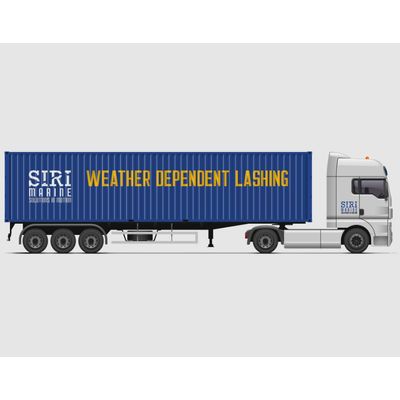
Weather Dependent Lashing System
Weather Dependent Lashing (WDL) is an innovative methodology that enables ship operators to reduce the number of unnecessary lashings during voyages with favorable weather conditions. The prescribed number of lashings in the Cargo Securing Manual (CSM) is sufficient for navigating through extremely adverse weather conditions. With the availability of modern weather forecasts, it is now possible to continuously monitor and predict weather conditions worldwide. Therefore, excess lashings are no longer needed when the upcoming weather will be favorable. Siri Marine has developed a unique and Class-approved Weather Dependent Lashing system that assists the ship Master in selecting the optimal lashing plan for each voyage. This system enables ship operators to reduce the number of lashings while maintaining the necessary level of safety.