

- Ultrapure Water - EDI Modules - EXL Power, Industrial & Sanitary Pharmaceutical EDI
- EDI Products - Electrodeionization Modules
- Ultrapure Water - EDI Modules - XL-HTS: High Temperature Stable EDI for Pharmaceutical Purified Water or WFI
- Ultrapure Water - EDI Modules - XL-SR Sanitary Pharmaceutical EDI
- Ultrapure Water - EDI Modules - XL-R Industrial, Electronics EDI
- Ultrapure Water - EDI Modules - Zapwater EDI
- Ultrapure Wate - EDI Products - ediPureSource DC Power Supplies for EDI
- Ultrapure Wate - Unique UV Products
- Ultrapure Water Technologies
- Process Separation Membrane Technologies
- Technology - SnowPure Membrane Technologies
- EDI Systems
- Others
SnowPure Water Technologies products
Technology - SnowPure Membrane Technologies
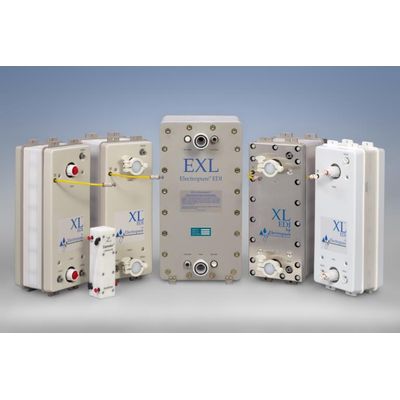
SnowPure ElectroPure - Electrodeionization Technology
Electropuretm EDI technology has fundamental advantages and differences from other EDI products. There are similarities to other EDIs, but Electropure EDI has 4 major technical advantages.
SnowPure ExcellNano - Nanofiltration NF Membrane Technology
Nanofiltration (NF) is a membrane separation process. NF membranes pass water and reject ionic and non-ionic species based on both size and charge. Nanofiltration is not simply “loose RO”, and does more than “pass more ions than an RO” (as the phrase implies). Nanofiltration membranes are tuned to perform the specific separation the customer needs. Each NF manufacturer chooses specific ranges of species rejection and water flux/pressure for their markets. SnowPure’s targets process separations with its specialty NF membranes.
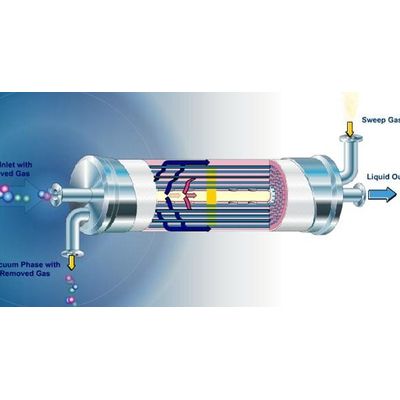
SnowPure - Membrane Degassing Technology O2 and CO2
3M Liqui-Cel Membrane Degassing Technology: Liqui-Cel Membrane Degassing Technology, efficiently removes (or adds) dissolved gases from (to) liquids. These membrane devices have displaced older technologies such as vacuum towers, forced draft deaerators, and oxygen scavengers in the last 25 years. Typical applications are O2 and CO2 removal from water.
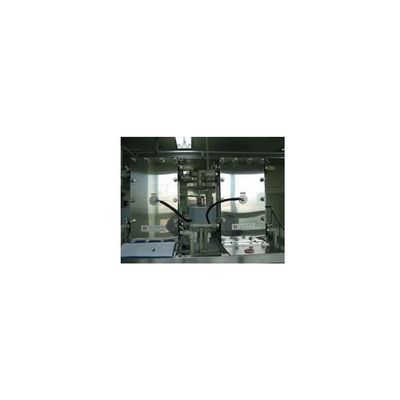
SnowPure - Model ED, EDR, EDM - Electrodialysis Systems
Electrodialysis (ED) & Electrodialysis Reversal (EDR) are used around the globe in many industrial, laboratory and recycling environments. ED is an industrial membrane separation process in which ions are transported through ion-permeable membranes, from one stream to another, under the influence of a voltage potential gradient. The electrical charges on the ions allow them to be driven through the anion- and cation-exchange membranes (e.g., Excellion). Applying a voltage between electrodes generates the DC voltage potential required for this. Since membranes used in electrodialysis have the ability to selectively transport anions and cations, and reject ions of the opposite charge, concentration, removal, and separation of salts can be achieved.