


Solinst Eureka LLC products
Sensor
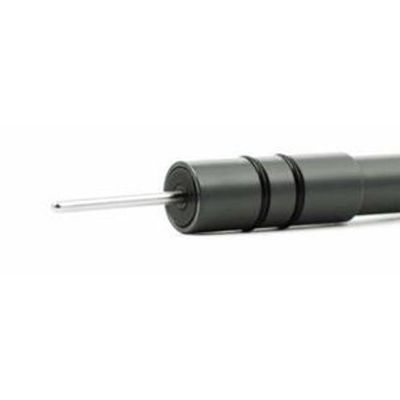
Eureka - Temperature Sensor
Technically, temperature is a measure of the energy of the molecules comprising a substance. For our purposes, it is how hot or how cold a water body might be. The Centigrade scale is used most often in studies of water. Temperature affects natural waters several ways. Small changes in water temperature can affect the reproduction and growth rate of the aquatic flora and fauna. Chemically, temperature controls the speed of chemical reactions, including reactions that produce nutrients.
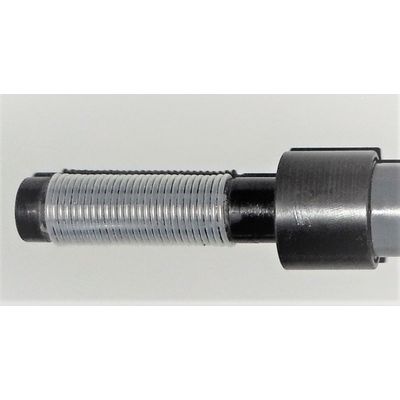
Eureka - Total Dissolved Gas (TDG) Sensor
Total Dissolved Gas (TDG) is the sum of the partial pressures of all gases in a water sample. Normally, the sum of gas partial pressures will be about one atmosphere (15 psi) for any water that is exposed to the atmosphere. The partial pressure of each gas will be the same as that’s gas’s contribution to atmospheric pressure, i.e. about 20% oxygen, 79 % nitrogen, and 1% trace gases.
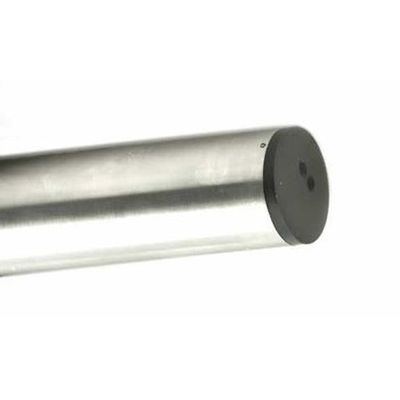
Eureka Rhodamine - Fluorescence Sensor
Fluorescent dyes like Rhodamine are often added to water systems to provide water discharge and velocity data. Dye tracing studies can provide useful information for modeling surface and groundwater systems in addition to tracing contaminants. Fluorometers allow researchers to measure ultra-low concentrations of dye. The sensors extreme sensitivity and instrument flexibility allows researchers to glean powerful data that could potentially be missed when using less sensitive methods.
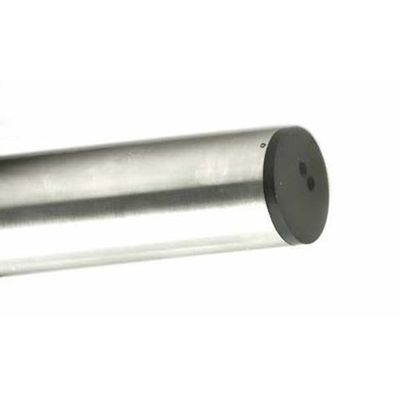
Eureka - Optical Brighteners (OBAs) or Fluorescence Sensor
Optical Brighteners (OBAs) or Fluorescent Whitening Agents (FWAs) are added to products, such as laundry soaps, detergents, or cleaning agents. Fabrics or materials absorb OBAs during the washing or cleaning process. When illuminated by ultraviolet light, they fluoresce and make products and fabrics appear brighter.
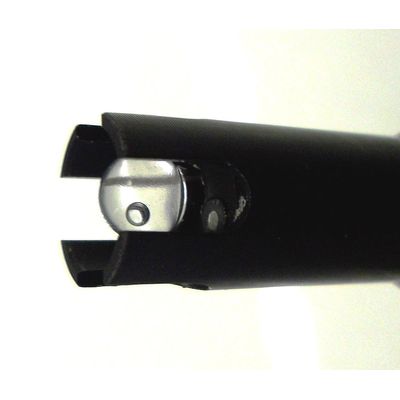
Eureka - pH Sensor
pH is a measurement of water’s acidity or alkalinity. Water with pH less than seven is acidic; water with pH greater than seven is alkaline (basic). The pH of water is determined by dissolved, pH-active salts. For instance, dissolving sodium hydroxide in pure water will increase the pH because the hydroxide ion is a pH-active base, and dissolving hydrogen sulfide in pure water will decrease pH because the hydrogen ion is a pH-active acid. However, dissolving sodium chloride in water will not change the pH because neither sodium nor chloride is a pH-active ion.
Eureka - Oxidation Reduction Potential (ORP) Sensor
Oxidation reduction potential, or ORP, is a measure of how chemically oxidizing or reducing a body of water is. In general, the ORP of a solution determines what chemical reactions will tend to occur, indirectly affecting the types of flora and fauna that will thrive in the water. In well-oxygenated natural waters at equilibrium, dissolved oxygen (DO) dominates the ORP of the solution, minimizing the importance of measuring ORP. Under conditions of low DO, however, ORP can be important in determining which forms of a chemical will be favored (i.e., nitrate-nitrite-ammonia, sulfide-sulfite-sulfate, ferric-ferrous, etc.). In addition, ORP is a good indicator of the presence of industrial oxidizing chemicals such as chlorine used to disinfect drinking and wastewater.
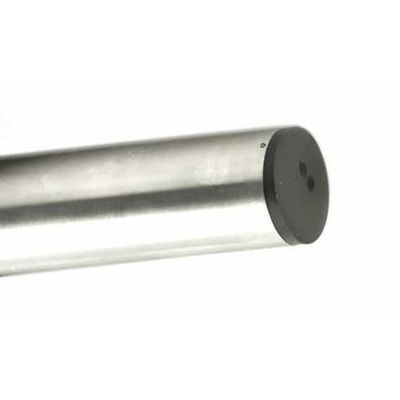
Eureka Fluorescein - Fluorometer
Fluorescent dyes like Fluorescein, are often added to water systems to provide water discharge and velocity data. Dye tracing studies can provide useful information for modeling surface and groundwater systems in addition to tracing contaminants. Fluorometers allow researchers to measure ultra-low concentrations of dye. With extreme sensitivity and instrument flexibility, researchers can glean powerful data that could potentially be missed when using less sensitive methods.
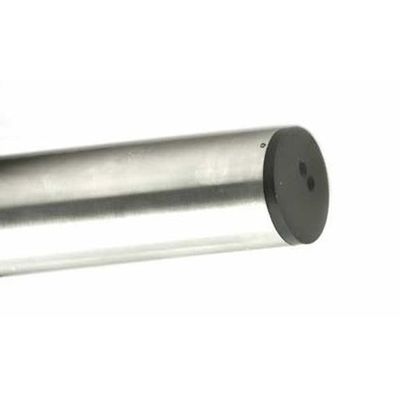
Eureka - Crude Oil Fluorescence Sensor
“Crude oil” is a catch-all term for unprocessed, natural petroleum. There are many classes of crude oil, and the chemical composition of each source is slightly different. Not all crude oil in water is the result of a man-made oil spill; many water bodies have small amounts of oil seepage. One source estimates that each year, 500,000 barrels of oil seep into the Gulf of Mexico from nearly 1,000 seepage points.
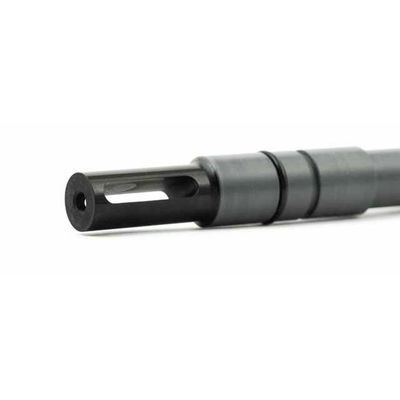
Eureka - Conductivity Sensor
Conductivity is the ability of water to conduct electricity. This conduction requires ions in the water to be charge carriers. Pure water contains no ions (aside from the occasional rogue water molecule), and so is a very poor conductor of electricity. But as water picks up chemical salts, those salts add ions to the water when they dissolve. So as the ionic strength of the water rises, so does conductivity - the “saltier” the water, the higher the conductivity.
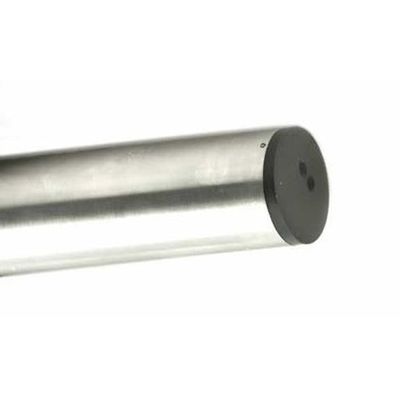
Eureka Blue Green - Algae Fluorescence Sensor
Blue-green algae is not algae, it is bacteria called cyanobacteria (phycobiliproteins). It is called algae because it is, like algae, photosynthetic. In fact, blue-green algae is responsible for over 20% of the earth’s total photosynthesis. And, like algae, cyanobacteria can be found as individual cells in filamentous colonies. Cyanobacteria have been found to be a numerically abundant faction of the phytoplankton community. Their roles in primary production, community structure, and spatial and temporal distribution are of interest for numerous scientific studies as well as natural water monitoring. Since chlorophyll fluorescence cannot be used to accurately determine cyanobacterial presence, analyzing phycobilin concentrations is essential for detecting, quantifying, and monitoring cyanobacterial levels.