


Southern Research Institute services
Air Pollution Control
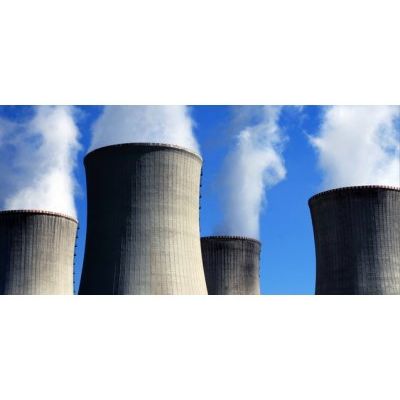
Particulate, SO2, and NOx Control Service
Southern Research has extensive experience in each of the primary air pollution control technologies, including: electrostatic precipitation (particulate); fabric filtration (particulate); selective and non-selected catalytic reduction (NOx); and wet/dry scrubbing (SO2). We offer in-depth capabilities to assist with the operation, performance, and measurement of each of these advanced technologies.
Catalysts and Membranes
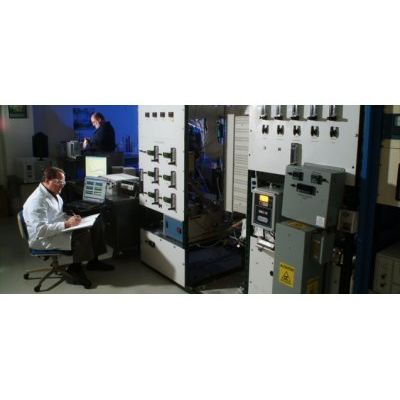
Selective Catalytic Reduction Catalyst Testing Service
Beginning in 2013, Southern Research will offer independent, bench-scale testing of selective catalytic reduction (SCR) catalysts at our newly constructed Bench-Scale SCR Catalyst Testing Facility designed to the highest industry standards. Supported by our skill and experience in independent catalysts testing, this facility will provide utilities and catalyst managers with the information they need to make important decisions regarding the SCR catalysts they manage. These services will complement our established standard and non-standard micro-reactor testing of SCR catalysts.
Clean Vehicles and Fuels

Vehicle and Equipment Fuel Economy Service
The development of novel technologies for fuel economy improvements and reduced emissions is of significant importance due to increased emphasis on conserving energy and reducing greenhouse gas (GHG) emissions. Southern Research offers extensive capabilities and resources focused on evaluating the impacts of fuels, fuel blends, and additives as well as new engine, vehicle, and drive train technologies to decrease fuel usage or increase engine performance in both on- and off-road vehicles.
Greenhouse Gas Mitigation
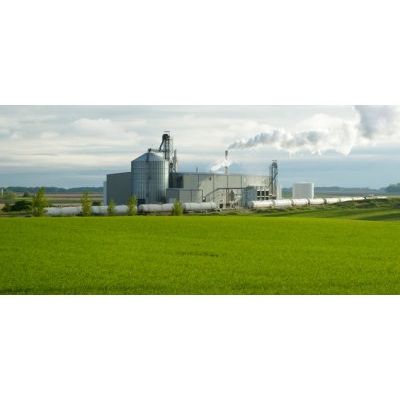
Oxy-Firing for CO2 Mitigation Service
The need for new carbon-sequestration technologies has increased due to concerns about global warming and potential regulations requiring the sequestration of CO2 emissions from fossil-fuel-fired power-generating stations. Specifically, technologies are needed that will allow the carbon dioxide in flue gas to be separated from the nitrogen and other gas species in preparation for its compression, condensation, and permanent sequestration deep beneath the earth"s surface.