


Technical Safety Institute training
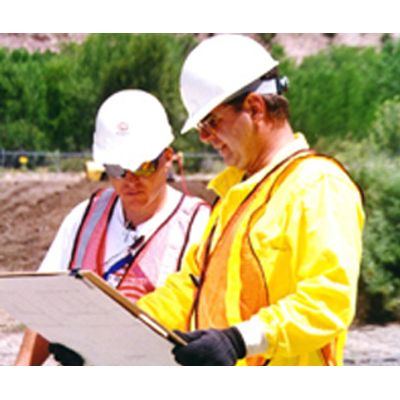
Hazwoper 24 Hour Training Course
Who should take 24 Hour Initial Training? 29CFR1910.120(e)(3) outlines the requirements of initial training for hazardous waste workers and explains when workers must take 40 hours of initial training and when a 24 hour program is sufficient. The regulation requires general site workers who are engaged in hazardous substance removal or other activities that may expose the worker to hazardous substances and health hazards, receive 40 hours of initial training.
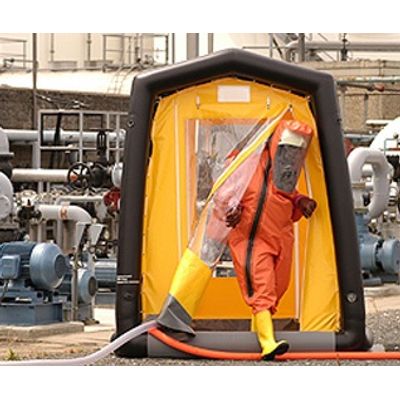
8 Hour Osha-Hazwoper Refresher Online Training Program
Benefits of Technical Safety Institute’s Customizable 8 Hour HAZWOPER Refresher Online Training Program: Concise, real-world information and scenarios with the emphasis on usable knowledge that the site worker will remember. This HAZWOPER Refresher 8 Hour Online training course (as per OSHA guidelines) is designed by professionals to make the workers safer and more knowledgeable, not just enable them to pass a test. Programs customized by the employer or the employee with emphasis on the specific types of hazards that each employee is exposed to. No longer will the employee need to study material that is irrelevant to his or her specific duties.
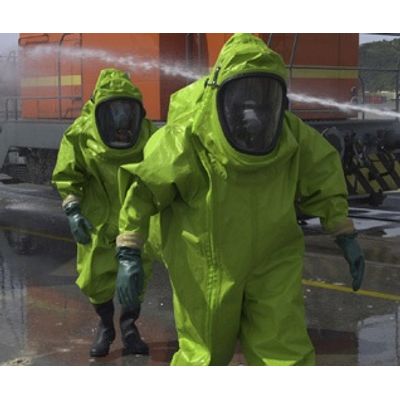
40 Hour Hazwoper Training Online Program
Teksafety works with companies and safety professionals across the nation to provide initial OSHA 40 hour HAZWOPER training and online certification to their employees and new-hires. Safety managers and organizations within these companies typically don`t have the time or resources to take their safety professionals out of the field and provide this training, nor do they have the time to take the student/worker out of the field for a full week. Our programs allow each student to self-study during slow times or in off-hours and complete the program over an extended period of time. The company safety professionals then simply have to demonstrate to the student the proper donning and doffing of the company-supplied personal protective equipment such as air-purifying respirators, Tyvek coveralls etc. Technical Safety Institute communicates with the on-site safety professional and issues a certificate and wallet card after all phases of the training and testing have been completed.

Hazwoper Supervisor Refresher Training Courses
Who should take Supervisor Training? OSHA regulations (29 CFR 1910.120(e)(4) require that on-site management and supervisors directly responsible for, or who supervise employees engaged in, hazardous waste operations, receive at least eight additional hours of specialized training at the time of job assignment on such topics as, but not limited to, the employer`s safety and health program and the associated employee training program, personal protective equipment program, spill containment program, and health hazard monitoring procedure and techniques. This program is designed for supervisors who have been through the initial supervisor training and who need their annual refresher.
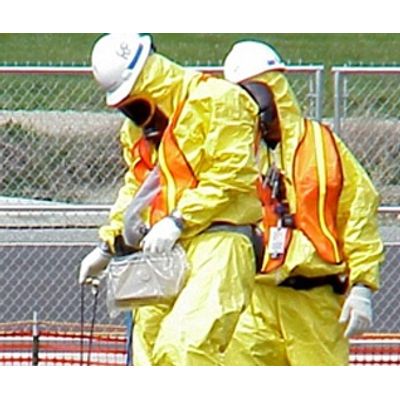
Hazwoper Supervisor Training Program
Who should take HAZWOPER Supervisor Training? HAZWOPER supervisor training regulations (29 CFR 1910.120(e)(4) require that on-site management and supervisors directly responsible for, or who supervise employees engaged in, hazardous waste operations, receive at least eight additional hours of specialized Hazwoper supervisor training at the time of job assignment on such topics as, but not limited to, the employer’s safety and health program and the associated employee training program, personal protective equipment program, spill containment program, and health hazard monitoring procedure and techniques. This HAZWOPER Supervisor Training program can help to meet these requirements when given in conjunction with site-specific or on-the job training for supervisors in the field.
HAZWOPER Refresher Training Online-Elective Options
Chemical Exposure: This module in HAZWOPER Refresher elective options discusses Hazardous chemicals in general terms with an emphasis on exposure pathways, toxicology, exposure limits and chemical exposure monitoring. Among the major hazard categories discussed are: caustics and corrosives, toxics, carcinogens, flammables and reactives. Legal limits verses recommended limits are discussed in layman’s terms. This module is a good introduction and companion module to General Chemical Hazards at Environmental Sites and also provides needed background for Use of Direct Reading Instrumentation at Hazardous Waste Sites.