
TECTA Pathogen Detection Systems, Inc. (TECTA-PDS) applications

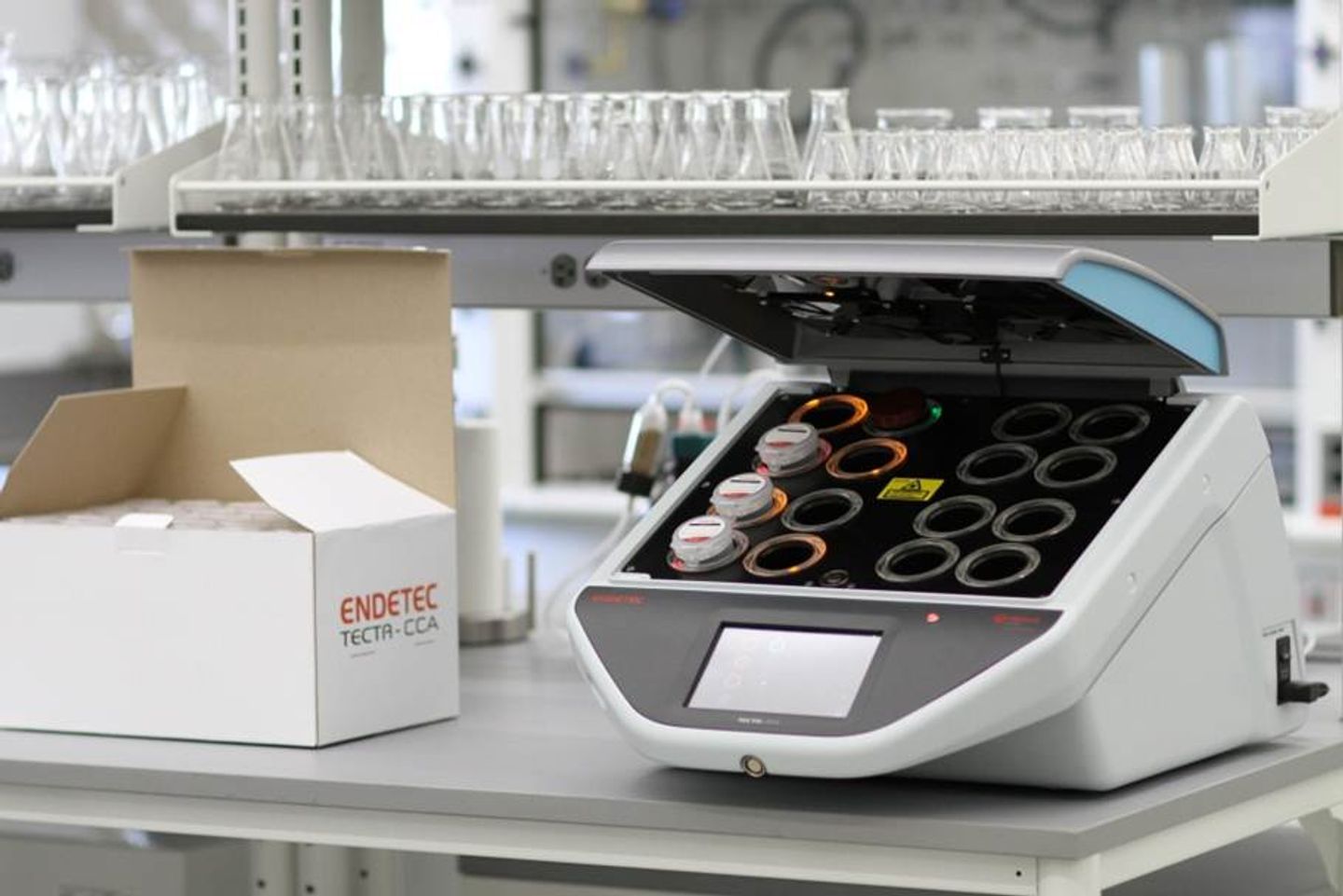
E. coli outbreaks are on the rise, which means municipalities are becoming increasingly aware of how important it is to ensure the safety of their water supply. When the safety of the population is at risk, every second counts and regular, proactive testing with the TECTA™ B16 can help prevent an outbreak before it starts.

Even with advances in farming, distribution, processing and storage practices, E. coli outbreaks continue to occur throughout the food chain. In fact, increasingly stronger and more virulent strains of pathogens have become a worrying trend facing the Food and Beverage industry. What the industry needs is a method of detecting E. coli before it reaches the consumer. With the Food Safety Modernization Act (FSMA), critical point testing and fast , accurate reporting will soon be a requirement.

The number of people contracting E. coli from recreational bathing water is on the rise. When regularly testing water quality you want to be certain you get the results back quickly, accurately and efficiently. The longer it takes to get the result means either contamination or closed facilities; neither of these options is good for anyone.
We call on our military personnel to defend our country; therefore it is vital that we do our best to keep them healthy. Anywhere military personnel are stationed they deserve the best training, equipment and care available. In both permanent and temporary accommodations, safe drinking and bathing water is high on the priority list. If an E. coli outbreak occurs, the safety of our military men and women and the safety of our country could be compromised. Regular, proactive testing with the TECTA™ B16 could prevent an outbreak before it starts.

It is vital for all campuses and institutions to ensure their water supply is flowing clean, safe and pure. When the health and safety of guests, visitors or residents is at risk, every second counts. An E. coli infection at a campus, waterpark, stadium, hospital or any institution where tens, hundreds or even thousands visit is devastating. However, regular proactive testing with the TECTA™ B16 could prevent an outbreak before it starts.

For farmers and growers, crop irrigation is a vital part of their farming practices. But what do you do if the water that is bringing life is also carrying E. coli? It has long been known that E. coli can travel for hundreds of miles through soil and wind erosion and the pathogen can be transferred to crops through irrigation practices. Farmers need a new method of detecting E. coli before it is too late. With the Food Safety Modernization Act (FSMA), critical point testing and fast, accurate reporting will soon be a requirement.