

Telluric Remediation Management Ltd (TRM) services
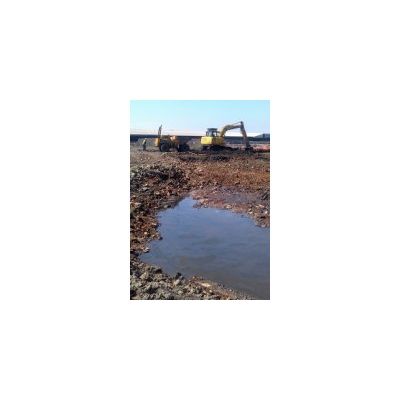
Land and Groundwater Remediation Services
TRM use a combination of biological, chemical and physical techniques to clean up land and water contaminated with an array of inorganic and organic pollutants.
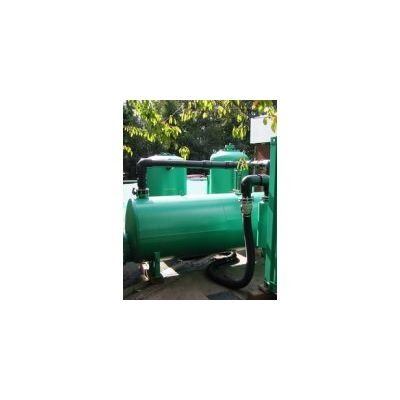
Installation and Project Management Services
TRM are experienced in the installation of the following systems to allow the cost effective operation of remediation projects: Explosion proof systems, using flame arresters and LEL detectors on operating petrol stations. Discreet, low noise automated systems on operating sites. Bunded systems to contain any potential leakages. Secure treatment systems to prevent access by the public or vandals. Telemetry to monitor product recovery levels and provide warning of system failure. Each project is managed from the enquiry or tender stage to site operation and ultimately to demobilisation.
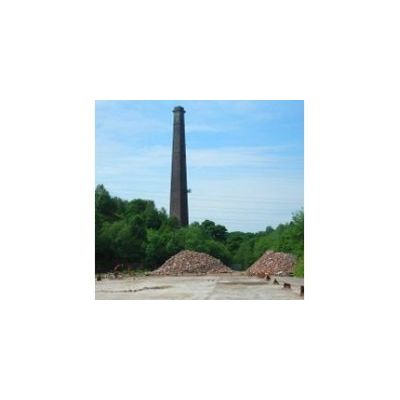
Development of Solutions and Equipment
Contaminated land and groundwater problems are often complex; frequently there is no single solution or technology which is able to address every aspect of the problem. TRM has an in-depth understanding of environmental processes and is able to utilise combinations of treatments to the best advantage.
Maintenance and Monitoring Services
Regular plant maintenance of each remediation system is undertaken by our team of experienced mechanical and qualified electrical engineers. Our engineers are suitably trained to work on petrol station forecourts. Regular monitoring of soil, groundwater and emissions is undertaken as required by the following: Conditions of an Environmental Permit, Sewer Discharge Consent, Validation of remedial strategy. Chemical analysis data is employed to provide contaminant plume diagrams that are used to identify the source of the contamination and monitor removal rate.
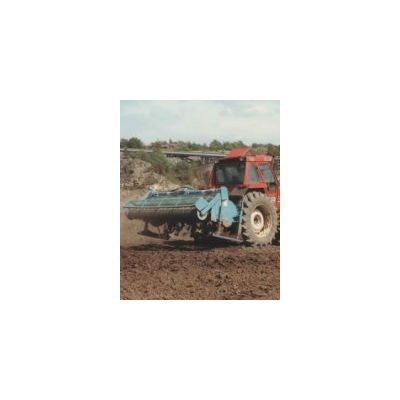
Landfarming Services
Landfarming is an ex-situ bioremediation technology in which contaminated soil is mixed with nutrients to form treatment beds which are periodically turned over or tilled to aerate the soil mass. Soil conditions are often controlled to optimise the rate of contaminant biodegradation, including moisture content (by irrigation or spraying), aeration (by tilling the soil), pH (addition of crushed limestone or agricultural lime), and other amendments such as bulking agents and nutrients. Landfarming is a medium to long term remediation technology that successfully treats petroleum hydrocarbons including diesel fuel, heating oils, oily sludge, creosote and pesticides.
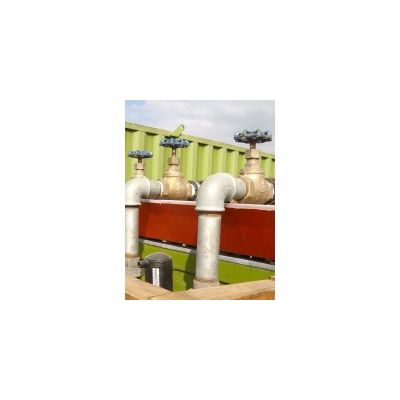
Enhanced Biodegradation Services
Enhanced Biodegradation accelerates the natural bioremediation processes in groundwater by providing oxygen or reducing agents, nutrients and degrading microorganisms. Aerobic conditions are achieved by either sparging air below the water table or circulating oxidants throughout the contaminated groundwater zone. The target contaminants are non-halogenated volatile and semi-volatile organic compounds. Under anaerobic conditions, nitrate is circulated throughout the groundwater contamination zone and the target contaminants are fuels and chlorinated solvents.
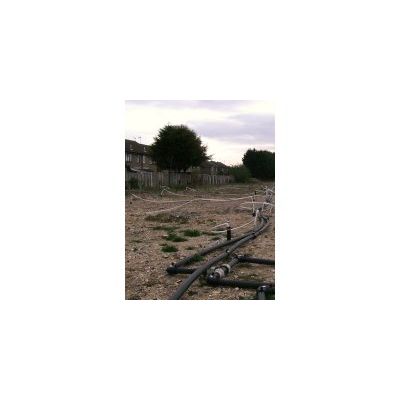
Soil Vapour Extraction Services
Soil Vapour Extraction (SVE) is an in-situ unsaturated (vadose) zone soil remediation technology in which a vacuum is applied to the soil to induce the controlled flow of air and remove volatile and some semi-volatile contaminants. Vertical extraction wells are typically used at depths of 1.5 metres or more; horizontal extraction wells (e.g. installed in trenches) can also be used and is dependent upon contaminant zone geometry and drilling rig access. SVE removes volatile contaminants from the ground and additionally promotes the in-situ biodegradation of low-volatility organic compounds that may be present. SVE is effective in treating volatile organic compounds, petrol, chlorinated solvents and BTEX.