

Total Air Pollution Control Pty Ltd. (TAPC) products
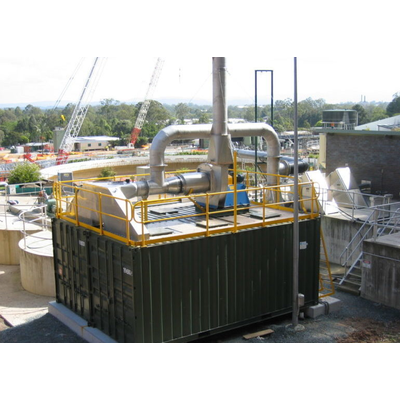
TAPC - Dry Scrubbers
Dry scrubber systems remove gaseous pollutants from a larger gas stream. By injecting a dry reagent or slurry into a dirty exhaust stream, acid gases are eliminated.
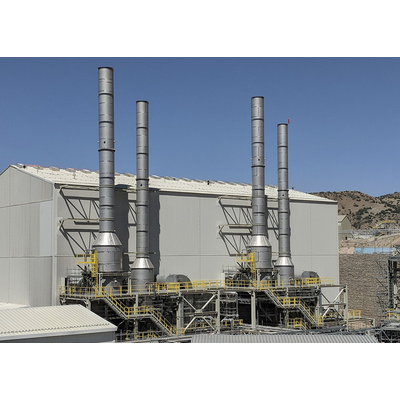
TAPC - Wet Scrubbers
Wet scrubbers are a class of pollution control devices that use liquid to remove odours and gas pollutants from industrial processes. Using the absorption method, a scrubbing liquid interacts with the polluted gas stream, transferring pollutants into the liquid. The cleaned gas is then discharged to the atmosphere. Caustic or acid chemicals are added to the scrubbing liquid, and these react with the dissolved gas to form stable salts. This process has two benefits: pollutant removal efficiency is increased and the scrubbing liquid can be recycled.
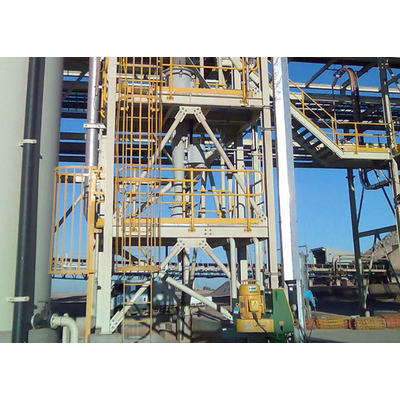
TAPC - Aeromixes & Cyclones
Cyclonic technology and aeromixes are predominantly used to control dust and fume, but can be applied to a range of industrial pollutants. Cyclonic separation removes particulates from an air, gas or liquid stream through vortex separation. The process uses no filters or internal components, which reduces maintenance concerns.
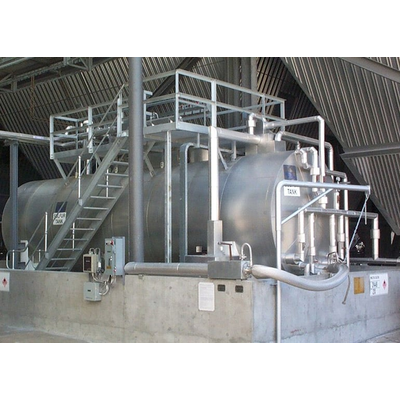
TAPC - Flue Gas Desulphurisation Unit
FGD describes a class of technologies applied to the removal of SO2 from industrial processes that produce this toxic gas. Power plants typically emit sulphur dioxide via exhaust combustion flue gases. Effective at SO2 quenching and absorption, FGD scrubber systems are critical to controlling this form of air pollution.

TAPC - Fabric Filters (Baghouses)
Fabric filters (also called baghouses) are devices that remove particulate from a gas stream by passing the dirty air through a layer of cloth filtration. Particulate matter deposits on the cloth surface, leaving only the clean air to pass through. As the most prevalent control device used in modern industrial processes, fabric filters are a critical piece of infrastructure for many of our clients. While often used for air particulate emission reduction, fabric filters are also integrated with key mineral processing plants.
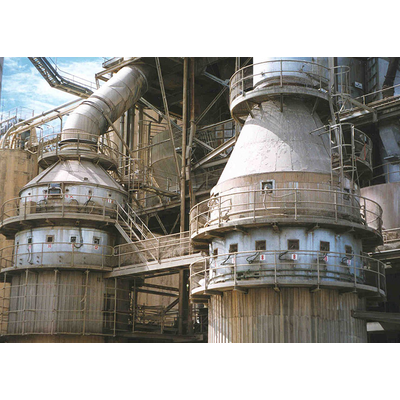
TAPC - Electrostatic Precipitators (ESP)
An electrostatic precipitator is a particulate collection device that removes particles from a gas stream using the force of an induced electrostatic charge. ESPs are highly efficient filters that operate at a very low pressure drop (0.4kPa) and can easily remove fine particulate matter such as dust or smoke from the air stream.
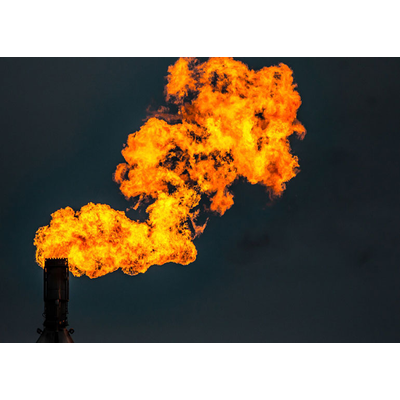
TAPC - Destructive Technology
Destructive technology comprises air pollution control devices capable of hazardous gas destruction at extremely high temperatures. Using the combustion process, destructive technology (i.e. thermal oxidisers, flare, catalytic oxidisers) destroy hydrocarbons, VOCs, hydrogen sulphide, odour and smoke particles.