

TuffChem Environmental Services services
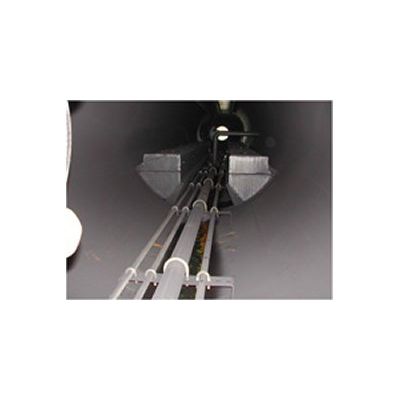
Chemical Cleaning
Chemical cleaning is a cost-effective and efficient method involving the use of reactive chemicals to remove unwanted deposits, corrosion, residual oils and greases and other obtrusive contaminants from the surfaces of various pieces of process equipment, including componenets of power-generating units such as boiler and condensers, heat exchangers in refineries and other industrial equipmnent. This process is used for passivation to eliminate fouling, oxidation, process system corrosion, and decontamination of process lines and vessels.We have a full line of chemical cleaning equipment and well-trained operators and chemists that guarantee the quality of our chemical cleaning results. We provide the required documented maintenance program for each recirculation with written procedures for quality control so as to give our customers peace of mind.
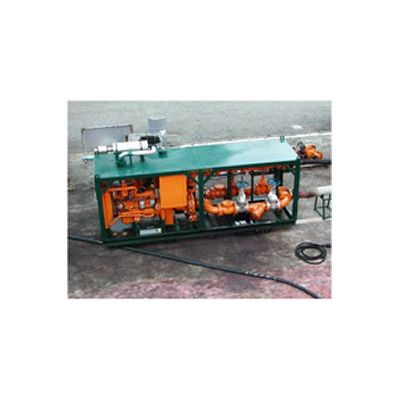
Decontamination
Decontamination is used to remove light and heavy-end hydrocarbons. It can effectively eliminate benzene, toluene, xylene and H2S. At TuffChem Environmental Services, we offer the most comprehensive hydrocarbon decontamination package in the market today that can effectively reduce downtime, HSE liability and waste disposal their plant"s turnaround, maintenance or emergency shutdown. Our engineers will work closely with the clients to design the most efficient and cost-effective circulation loops to decontaminate either full or partial refinery units, such as crude and vacuum, coker, thermal and hydro-crackers, FCCU and others.
Dry-Ice Blasting
Dry-ice or CO2 blasting is a cost-effective cleaning process which is non-abrasive, non-flammable and uses carbon dioxide, which is less hazardous to health and the environment compared to other chemical cleaning agents. It is commonly applied in cleaning turbines, gear boxes, car cylinder valves and furnace tubes.
Foam Cleaning
The TuffChem foam cleaning treatment is very effective for the removal of oil, dust, dirt, poplar fuzz, cottonwood seed, etc. The treatment is performed on-stream, requiring no shutdown time or cost and scheduling difficulties. On-stream treatment enables monitoring of actual cooling efficiency in the control room to determine the results which have been achieved. With most air applications, airflow through the cooler could increase slightly, which does not necessarily mean an increase in heat transfer and efficiency. With the oil film still present, debris will collect faster, requiring more frequent cleaning and cost.