

- Home
- Companies
- Uniwastec Ag
- Products
Uniwastec Ag products
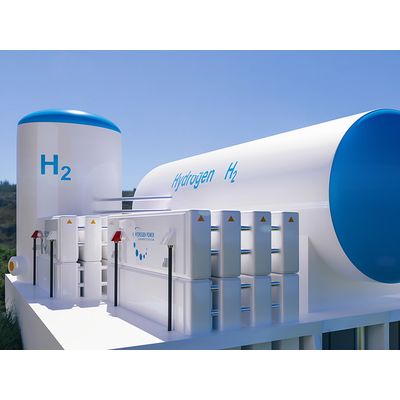
Evaporation Electrolysis
UNIWASTEC’s evaporation electrolysis process is the world’s only technology for the direct extraction of green hydrogen from wastewater or seawater. UNIWASTEC’s evaporation electrolysis process is the world’s only technology for the direct extraction of green hydrogen from wastewater or seawater. The enrichment of the high-purity hydrogen takes place in a special process in which the process water repeatedly passes through the process of evaporation and thawing one after the other and finally separates as clean condensate. By repeatedly passing through the process, hydrogen successively accumulates in the material flow in certain phases and can be produced there in a specially designed electrolysis with low electrical energy input. In this way, an overall efficiency is achieved for the production of high-purity hydrogen that far exceeds all other electrolysers available on the market.
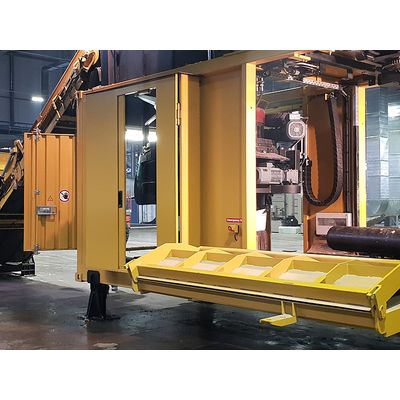
Mechanical Biological Treatment
In UNIWASTEC’s mechanical biological treatment, mixed waste is processed. In UNIWASTEC’s mechanical biological treatment, mixed waste is processed. In a first, mechanical step, the recyclables and inert substances contained are isolated and fed into the material cycle. The non-recyclable materials serve as substitute fuel for gasification and electricity production. The solid waste can be stored by balling. In a second, biological step, the organic part of the waste is isolated. It is either dried and processed into substitute fuel for gasification or recycled into C-humus fertilizer as required. C-humus is a high quality carbon-based agricultural fertilizer produced by processing organic waste.
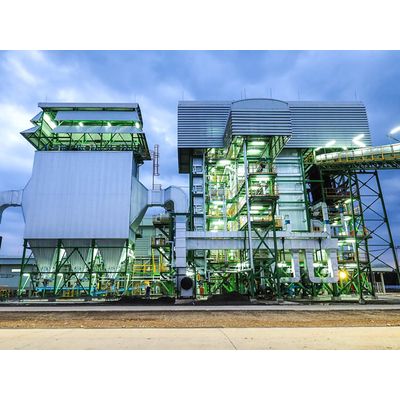
Thermolytic Cracking Process
UNIWASTEC’s thermolytic cracking process (TCP) is the most environmentally friendly and efficient method of waste disposal. UNIWASTEC’s thermolytic cracking process is the most environmentally friendly and efficient method of waste disposal. The autothermal process runs with coupled process steps, but in spatially separated apparatus. This system allows the process parameters required in each step to be optimally adjusted, thus achieving above-average utilisation of the energy content of the waste materials used. In this way, municipal and industrial waste is converted into synthesis gas and carbon completely free of emissions. By using the thermolytic cracking process, up to three times more electrical energy can be obtained from waste than from waste incineration, while at the same time no toxic or climate-damaging gases (furans, dioxins, nitrous oxide) are produced. The only residue from synthesis gas production is carbon, which acts as a CO2 sink.