


VertaseFLI Limited products
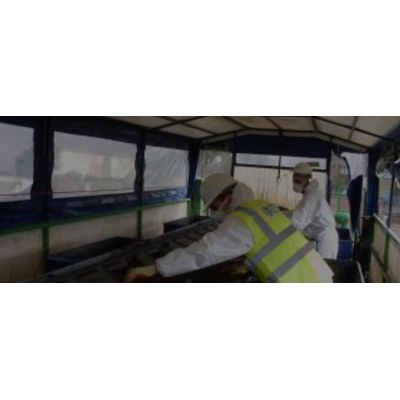
VertaseFLI - Asbestos In Soils
The term asbestos refers to six unique naturally occurring silicate substances that belong to the serpentine and amphibole mineral families. The three most commonly used asbestos minerals are Crocidolite (blue asbestos), Chrysotile (white asbestos), Amosite (brown asbestos). The other three are rarely used in building products and these are Tremolite, Anthophyllite and Actinolite. Chrysotile is the only type of asbestos belonging to the serpentine family.
VertaseFLI - Chemical Oxidation
In chemical oxidation, chemicals are added to the plume area to chemically oxidise contaminants into less hazardous or less toxic compounds which are also more stable and less mobile. In the case of organic compounds such as petroleum, they are converted into carbon dioxide and water. It is also possible, under the correct conditions and controls, to undertake oxidation as part of an above ground water treatment system. The most common oxidising agents are hydrogen peroxide (H2O2), potassium permanganate (KMnO4), ozone (O3), and sodium persulfate. Chemical oxidation can be conducted in-situ or ex-situ; chemical oxidants can be injected into the contamination plume beneath the capillary fringe or mixed into excavated soils and pumped groundwater.
VertaseFLI - Dual / Multi Phase Vacuum Extraction System
DPE is an in-situ remediation method involving the combined extraction of liquids, water, free phase product and vapour from the vadose and phreatic zones of the contamination plume. Dual-phase vacuum extraction is not a strictly accurate description and multi-phase may be a better suited term dependent on site objectives and conditions. The three phases that are generally extracted are: Water, Free phase liquids, Vapour.
VertaseFLI - Ex-Situ Bioremediation for Biological Process
Ex-situ bioremediation is a biological process in which excavated soil is placed in a lined above-ground treatment area and aerated following processing to enhance the degradation of organic contaminants by the indigenous microbial population. Under aerobic conditions, specific micro-organisms can utilise organic contaminants such as petroleum hydrocarbon mixtures, polycyclic aromatic hydrocarbons (PAH), phenols, cresols and some pesticides as a source of carbon and energy and degrade them ultimately to carbon dioxide and water. It is unusual to require the addition of microbial populations but usual to assess the nutrient requirement and amend the basic nutrients and organic substrate of the soil if any of these elements are deficient or absent. Oxygen (via the introduction of air) is essential to allow the microbial population to develop cultures capable of sustaining degradation.
VertaseFLI - In-Situ Biological Treatment System
In-situ bioremediation is the remediation of soils and/or groundwater utilising the indigenous naturally occurring microorganisms in order to biologically degrade contaminants. The development of the microbial culture within the remediation zone can be with oxygen, (aerobic or oxidising) or without oxygen (anaerobic or anoxic). This is dependant on the nature of the contaminants that require degradation.