

Walkerton Clean Water Centre (WCWC ) services
Pilot Testing
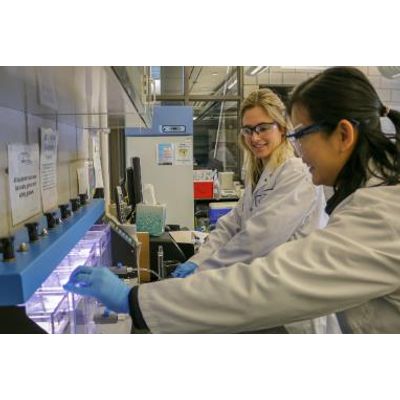
Walkerton - Conventional and Dissolved Air Flotation Jar Testing Services
n 2018, the Walkerton Clean Water Centre (WCWC) completed a project with a First Nation community in Northern Ontario, which has been on a long-term boil water advisory since 2013. The community retained a consulting engineer to complete a feasibility study to recommend treatment solutions. WCWC tested two treatment solutions that were recommended by consultants; conventional treatment and dissolved air flotation. Jar testing was conducted using the community’s source water and different coagulation chemicals in WCWC’s laboratory. The water quality was monitored and results were provided to the community. The project was beneficial for the consultant in designing the drinking water treatment system expansion.
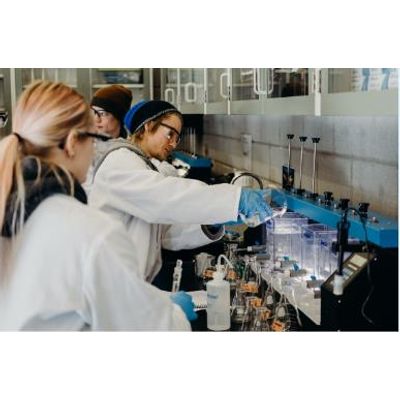
Walkerton - Conventional Treatment Optimization Pilot Testing Services for Big Grassy First Nation
In 2019, the Walkerton Clean Water Centre (WCWC) completed a project with Big Grassy First Nation in Northwestern Ontario, which has been on a long-term boil water advisory since 2017. The community’s source water is Lake of the Woods which can have high turbidity during lake turnover events. WCWC performed jar testing to optimize conventional treatment for the reduction of turbidity and colour naturally present in the raw water. The water quality was monitored and results for varying doses of coagulants and polymers and pH adjustments were provided to the community. The project was beneficial for the community and their engineering consultant in designing the drinking water treatment system expansion.
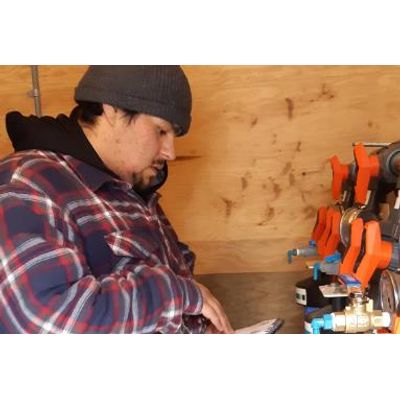
Walkerton - Decentralized Pilot Testing Services
In 2019, the Walkerton Clean Water Centre (WCWC) completed a project with Wauzhushk Onigum Nation. The First Nations community is located on Lake of the Woods in Northwestern Ontario and has been on a long-term boil water advisory since 2012 and is implementing decentralized point of entry (POE) systems for a portion of the community. WCWC tested different systems that would rely on lake water intakes. The lake water has high organics and colour making it a challenging water source for satisfying the requirements of UV disinfection. POE technologies were tested for effectiveness to remove turbidity and organics in order to improve UV disinfection. The test results were beneficial to consultants in the design of the decentralized water systems.
Walkerton - On-Site Testing Services for Arsenic Reduction
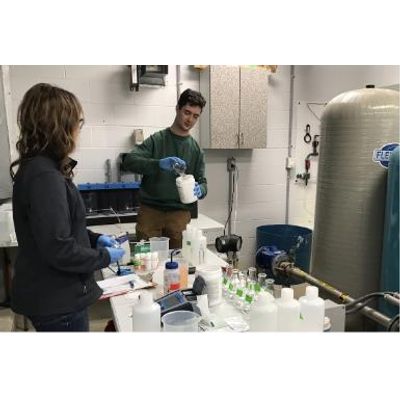
In 2019, the Walkerton Clean Water Centre (WCWC) completed a project with a community located in Southwestern Ontario. The community relies on a well that has arsenic concentrations bordering the recently reduced regulatory limit. WCWC tested the proposed treatment options on-site using the community’s source water. Bench scale experiments were used to test the effectiveness of chlorine oxidation followed by filtration. Pilot scale tests were then performed to optimize the arsenic reduction for the system. The results from this project are being used by the community and consultant for future planning and potential upgrades to the existing pumphouse.
Walkerton - Reduce Iron and Hydrogen Sulfide Gas Pilot Testing Services
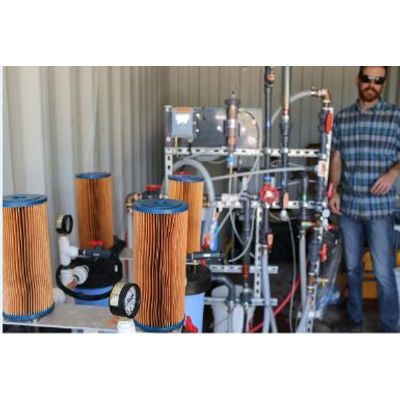
In 2018, the Walkerton Clean Water Centre (WCWC) completed a project with a year-round residential community in Southwestern Ontario. The community uses a well that has naturally occurring iron and hydrogen sulfide which affects the water’s aesthetic qualities. The iron was causing coloured water issues in the community and the hydrogen sulfide gas was producing unpleasant odours. WCWC tested different methods of oxidation and filtration on-site to determine what would be the most effective approach for the challenging source water. The community and their consulting engineer were able to use the results from this project to determine a plan for the community’s water system moving forward.
Walkerton - Chippewas of Nawash Unceded First Nation Pilot Testing Services
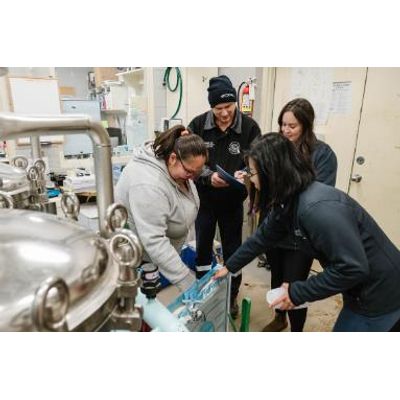
In 2019, the Walkerton Clean Water Centre (WCWC) completed a project with Chippewas of Nawash Unceded First Nation. The community is located on Georgian Bay and requires a new water treatment plant and distribution system to resolve the drinking water advisory that started in January 2019. Using the community’s source water, coagulation and granular activated carbon filtration were tested to see if they were necessary additions to ultrafiltration. WCWC conducted simulated distribution system tests which indicated the disinfection by-products would remain low despite the anticipated detention times. The engineering consultant will use these results to design the system upgrades.
Walkerton - Mississaugas of Scugog Island First Nation Pilot Testing Services
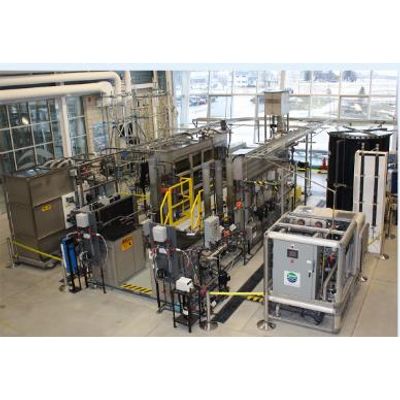
In 2017, the Walkerton Clean Water Centre (WCWC) completed a project with the Mississaugas of Scugog Island First Nation located in Southcentral Ontario. The community was on a long-term drinking water advisory since 2008 and interested in building a new water treatment plant. WCWC tested different chemical applications and filter media for the new potential plant using the community’s source water. The source water has iron concentrations that affect the water’s aesthetic qualities. A combination of jar tests and pilot scale tests were used to assess treatment effectiveness, providing the community and their consultants important background information when designing and commissioning the new treatment plant.
Walkerton - Township of Tay to Reduce Taste and Odour Pilot Testing Services
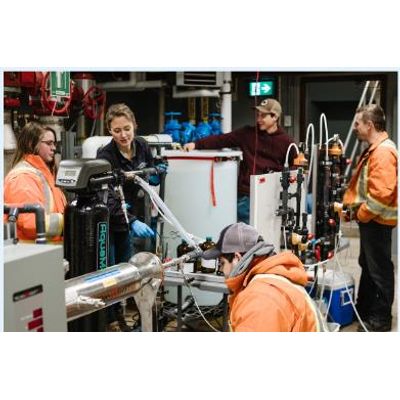
In 2019, the Walkerton Clean Water Centre (WCWC) completed a project with Township of Tay. The community has been experiencing seasonal taste and odour events, such as geosmin and methyl-isoborneol (MIB) in the raw and treated water. The community’s ultrafilter effluent was used to test an advanced oxidation process (AOP) (high UV dose + hydrogen peroxide) and granular activated carbon (GAC) to reduce taste and odour compounds. WCWC confirmed that both AOP and GAC removed the taste and odour compounds to below the odour threshold; however, additional chlorine was needed after the AOP process. The township and engineering consultant will use the results to select the appropriate treatment for their system upgrades.