


- Home
- Companies
- WaterSam GmbH
- Products
WaterSam GmbH products
Water Sampling Technology
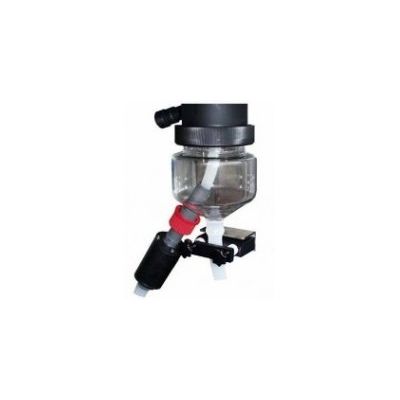
Model FMWW - Water Switch System
Sampling system FMWW for sampling with a continuous flow through the system. Suitable for clean to very dirty water/wastewater (optionally pure/ultrapure water) with a continuous flow of approximately 0.2 - 8 l/min. For time-, volume- and event-based sampling.
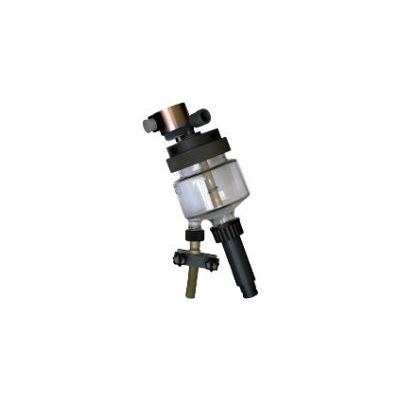
Model PRF - Water Switch System
Sampling system PRF for sampling with a continuous flow through the system. Suitable for pure/ultrapure to very dirty water/wastewater with a continuous flow of approximately 2 - 10 l/min. This system does not use electrodes, and is therefore suitable for sample media with little to no conductivity, as well as very corrosive sample media.
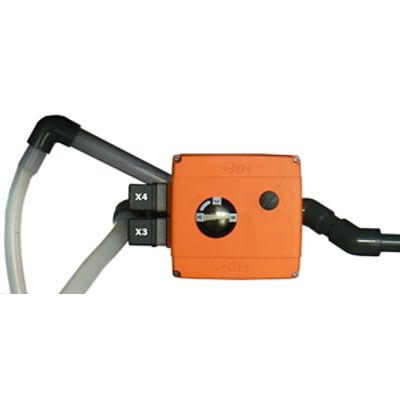
WS INLINEvent - Sampling System
Sampling system WS INLINEvent for sampling from pressurized lines of up to 6 bar (optionally from pressurized lines with up to 100 bar); with fixed sample volume. Suitable for pure/ultrapure and mechanically-cleaned water/wastewater without abrasive contents. For time-, volume- and event-proportional sampling.
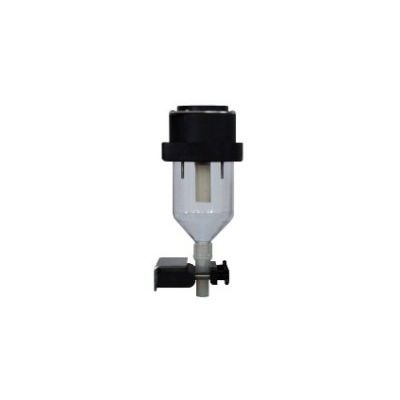
Sampling System VAC with Safety Valve
Vacuum system for sampling from pressurized lines; with fixed sample volume. Standard VAC system supplemented by an additional safety valve for lines with up to 2 bar pressure. Suitable for clean to very dirty water/wastewater, optionally pure/ultrapure water. For time-, volume- and event-proportional sampling.
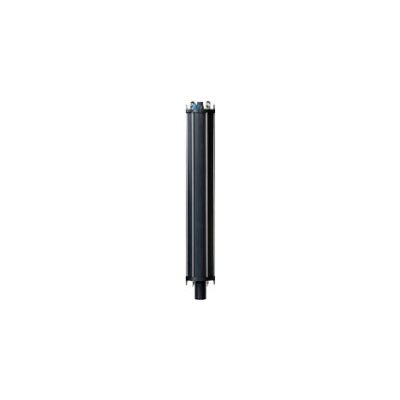
WS VacuPress - Standard Vacuum Sampling System
For sampling from large depths. Suitable for pure/ultrapure to very dirty water/wastewater. With this sample lift system, samples can be drawn from depths of up to 30 metres. It is typically used in combination with a standard vacuum sampling system.
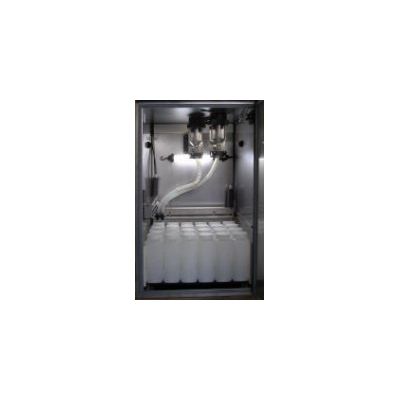
Double Sampling System
Two samplers in one. All sampling systems can also be doubled, which means that if the distance between sampling points is not too great, samples can be taken from TWO sources with ONE sampler. Even two entirely different kinds of sampling systems can be used. Sampling lines are kept completely separate, thereby eliminating the possibility of cross-contamination or falsification of samples.