

Wessex Water Services Limited services
Water Supply
Water is one of the world"s natural resources and it is our job to make it clean and safe to drink. Our complex network of water mains ensures water is on tap 365 days of the year, 24 hours a day. At our water treatment works we have advanced processes to purify water and deal with any contamination risks. We have not imposed any restrictions on water use since 1976. This is despite the fact we now use 70% more than we did 30 years ago and have to meet the needs of up to 300,000 additional holiday visitors a day during the summer months. By reducing leakage, managing the demand for water and promoting water conservation we are committed to meeting future demands for water without restrictions.

Sewage treatment
Wessex Water"s sewage treatment works treat millions of litres of sewage every day. The sewage goes through the following processes: debris, rags and large objects, are removed using screens, sewage flows into tanks where the solids sink to the bottom and are removed as sludge, the sewage is treated biologically - the liquid passes through media with bacteria growing on them, such as filters of stone or plastic. The bacteria feeds off the waste, helping to clean the water. Another form of biological treatment used by Wessex Water is known as the activated sludge process. Bacteria are mixed with the waste in large tanks using equipment which either blows or beats air into the mixture. The cleaned effluent leaves the treatment works and flows into local rivers or the sea. The treated effluent enters settlement tanks where any remaining solids settle leaving water which is ready to be returned to the environment.
Trade effluent
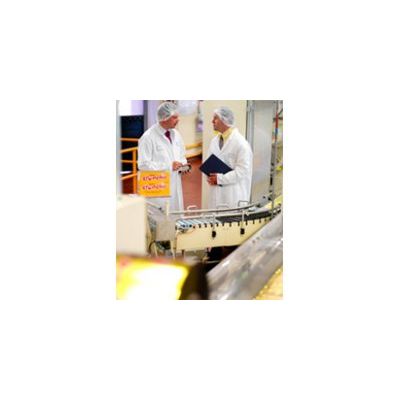
The discharge of non-domestic wastewater to the public sewer from commercial and industrial premises is known as trade effluent. If not controlled trade effluent discharges can have harmful effects including damage to sewers, sewage treatment processes and receiving watercourses. We issue trade effluent consents to the owner or occupier of trade premises authorising the discharge of trade effluent into the public sewer. It is the customer’s responsibility to obtain consent. Consents contain legally enforceable conditions that control the volume and quality of the trade effluent discharged to sewer. It may be necessary for you to provide and maintain some form of on-site treatment to ensure you can comply with the consent conditions, although this isn’t always required.
Wessex Water Scientific Services
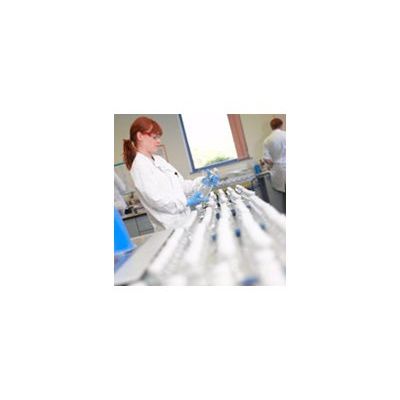
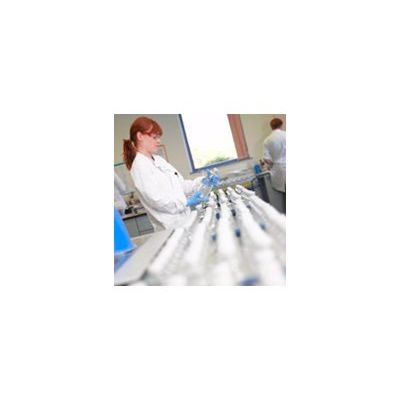
We schedule and undertake the regulatory sampling programme for our water supply and sewerage treatment divisions and provide a comprehensive general chemical, microbiological, organic chemical, metals and nutrient analytical service. Our laboratory is accredited to ISO 17025 (2005) by the United Kingdom Accreditation Service (UKAS) and open every day of the year. And we provide sampling and analytical services to a range of customers, including local authorities, drinking water providers, industrial companies and environmental consultants.
Protecting our Environment
Environmental screening
As part of our capital investment programme, we check our projects before construction to identify any potential environmental impacts. During 2007 our environmental services team assessed more than 700 schemes ranging from the replacement of small pumping stations to the rebuilding of treatment works.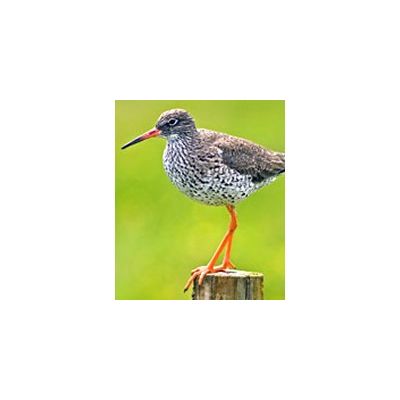
Wildlife and Ecology
The region served by Wessex Water has significant populations of many locally, nationally and internationally important species and their supporting habitat. Many of these species and habitats are legally protected and represent the high level of biodiversity within the south west. Assessing the potential impact of our schemes upon wildlife is therefore very important and is a key component of the Wessex Water Biodiversity Action Plan. During the environmental screening phase, our environmental team consult ecological information held on our environmental GIS (Geographical Information System). This includes records for designated sites within our region (e.g. Sites of Special Scientific Interest or County Wildlife Sites).
Archaeology
Our region is extremely archaeologically rich, with over 4,000 scheduled ancient monuments, 3 world heritage sites and over 40,000 listed buildings. In addition to these legally protected sites, local councils hold details on tens of thousands of archaeological sites of local or regional importance. As part of our environmental screening process, capital schemes which could affect buried archaeology or other cultural heritage are subject to consultation with the appropriate body (either English Heritage or the County Archaeological Officer). Where these consultations confirm we may have an impact and where we cannot reasonably avoid any remains, we can undertake a range of archaeological assessments and mitigation to minimise any adverse impacts on the historic environment.