- Home
- Companies
- Wildlife Computers
- Products
Wildlife Computers products
Tag - Pop-Up
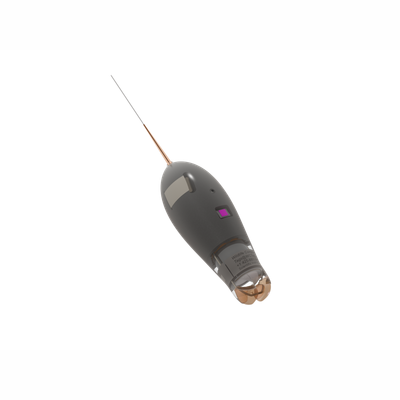
Wildlife Computers - Model microPAT-401 - Smallest Geolocating Satellite Pop-Up Tag
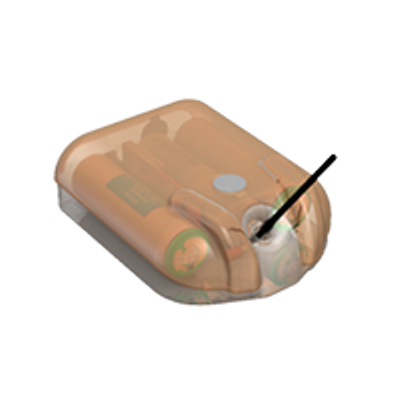
The microPAT is the smallest geolocating satellite pop-up tag on the market. The microPAT is used to track the behavior and migration of marine animals. The microPAT has archiving capabilities, a corrodible attachment link, and functions as an Argos transmitter. Throughout deployment, the microPAT collects depth, wet/dry, temperature, and light-level data, which are archived in the onboard memory. Then, on a preset date or duration determined by the researcher, the tag releases from the animal and floats to the surface. The archived data are then summarized and uploaded via the Argos satellites. Engineered with a keen focus on reliability, ruggedness, and user-friendly operation, the microPAT boasts a stable, low-drag shape and a robust urethane nose.
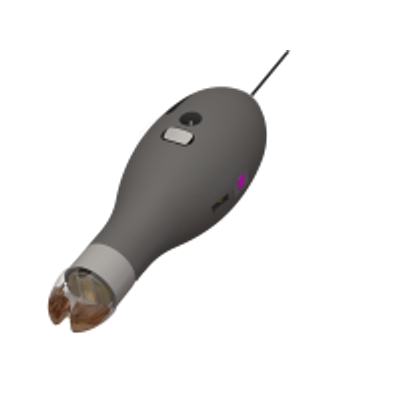
Wildlife Computers - Model MiniPAT 390 - Pop-Up Archival Transmitting Tag
The MiniPAT is a pop-up archival transmitting tag (PAT tag) designed for tracking large-scale movements and behaviors of fish and other marine animals that do not frequent the surface enough to utilize real-time satellite tags. Integrating archival and Argos satellite technology, it records depth, temperature, and light-level data, which are summarized for transmission and archived onboard. At a researcher-preset date, the tag detaches from the host, surfaces, and uploads a data summary to Argos satellites. With an emphasis on reliability and ruggedness, the MiniPAT features a stable low-drag shape, a resilient nosecone, and a robust integrated pin for enhanced retention. Its design improvements ensure the nosecone remains attached during the deployment, increasing the chances of long-term data collection. The tag also includes a pinger for recovery via radio tracking.Taxa - Pinniped
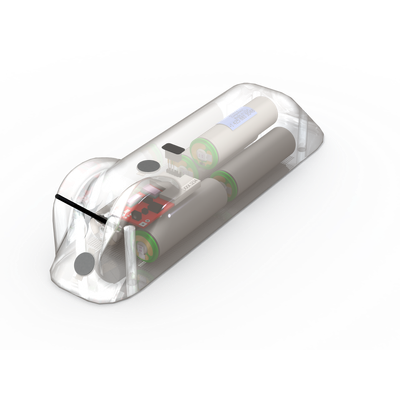
Wildlife Computers - Model SPOT-203 - Versatile, Cost-Effective Satellite Transmitting Tags
Wildlife Computers' SPOT-203 tags are highly versatile, cost-effective satellite transmitting devices designed for tracking the horizontal movements of free-ranging marine animals. These tags transmit data whenever they surface, sending short transmissions to the Argos satellite system. Multiple consecutive transmissions received by a single satellite pass are utilized to calculate the precise location of the transmitter, achieving location accuracies up to 250 meters in near-real-time. With global coverage provided by the Argos system, SPOT tags are essential for tracking marine animals across vast and remote regions, making them highly suitable for species like sharks, albatross, penguins, sea turtles, pinnipeds, and cetaceans. The tags come in various shapes and sizes, allowing for customizable attachment solutions tailored to different research needs. Key features include customizable conductivity operational limits for freshwater applications and diverse configurations to meet specific research requirements.