

WJ Groundwater Limited products
Construction Dewatering & Groundwater Control
WJ - Ejector Dewatering Systems
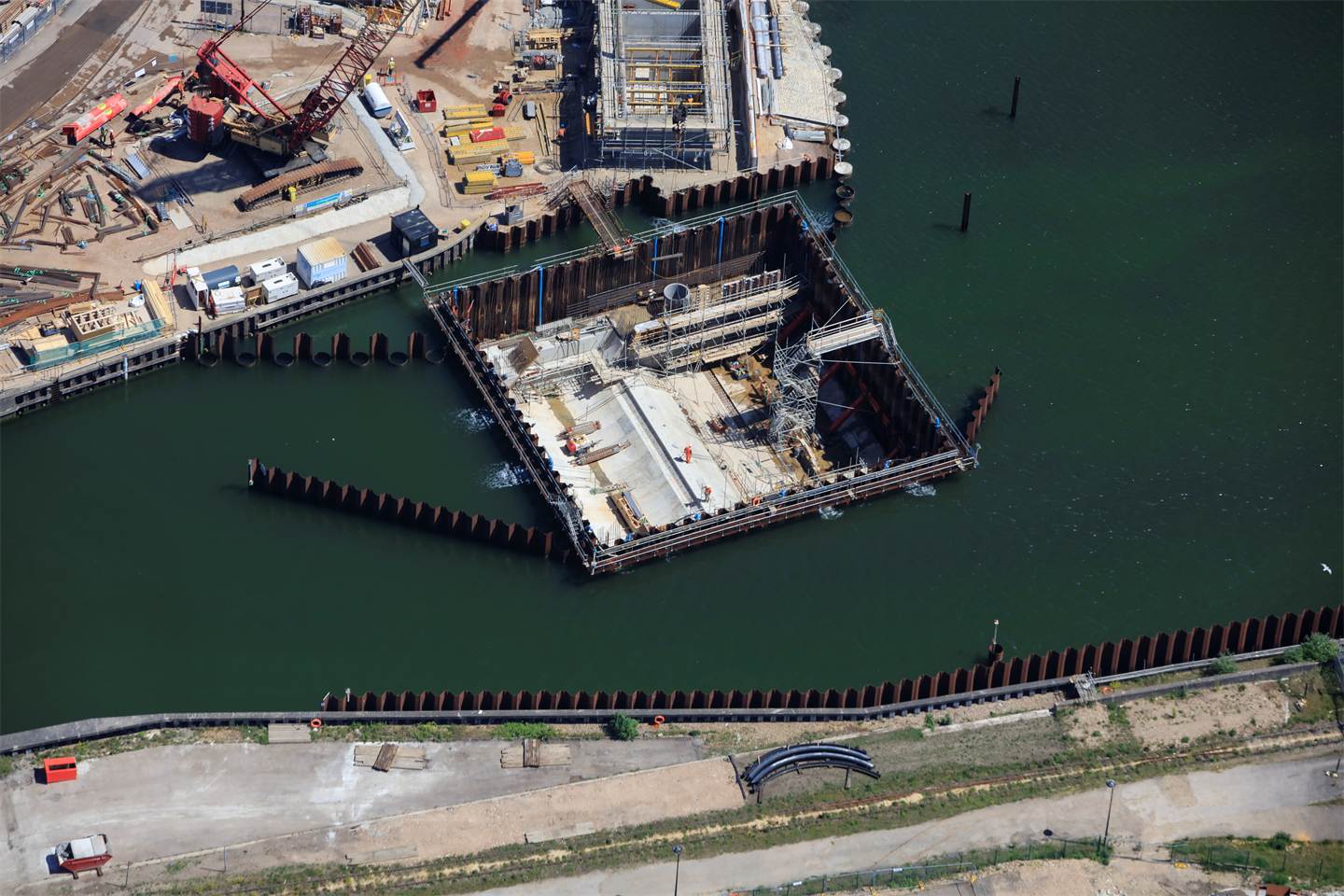
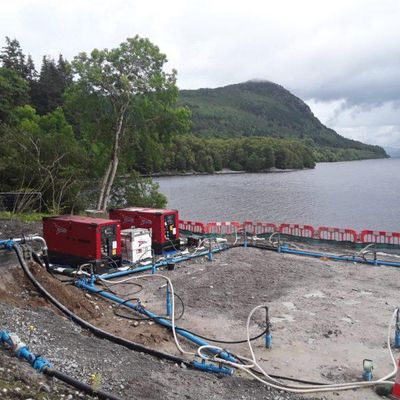
Ejector dewatering systems can dramatically improve ground conditions up to depths of 50m. WJ is the industry leader in the design, installation and maintenance of ejector systems, having installed then on some of the UK’s largest infrastructure projects in recent decades including the Conway Crossing, Crossrail, and the installation of new drainage along the M3. Pictured right is our ejector dewatering system rigged for the Olympic Aquatic Centre, London. Ejector pumping stations, located centrally, feed high-pressure water to the base of the wells via an ejector body. The flow of water through the nozzle generates suction in the well, drawing in groundwater.
WJ - Wellpoint Dewatering Wystems
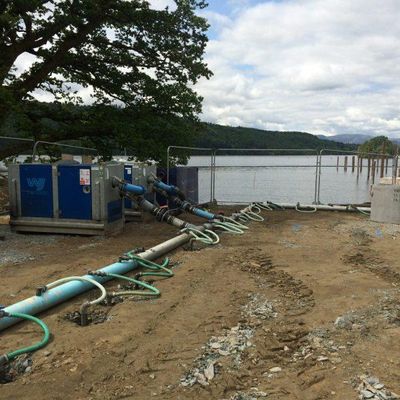
Wellpoint dewatering systems are used to lower groundwater levels and improve working conditions in shallow excavations, typically less than 6m in depth. For deeper excavations a number of strategies, such as staged and multi-tier wellpoint systems can be utilised. Wellpoint systems consist of a series of small diameter wells, installed by water jetting, augering or rotary drilling techniques, connected by a header pipe connected to a centrally located suction pump. Groundwater is abstracted via the wellpoints from a vacuum generated by the pump. A wellpoint is capable of drawing water from the ground up to a depth of 6m and is idea for shallow excavations, basements, pipelines, confined spaces, underpasses and tunnel excavations.
WJ - Sump Pumping and Overpumping
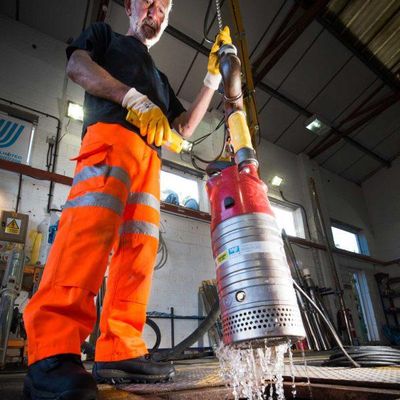
What is a Sump Pump? A sump pump is used when groundwater is allowed to flow in to the excavation, it’s then collected in sumps and then pumped away. Sump pumping is one of the simplest forms of dewatering and can be very reliable in a variety of different situations.
Overpumping is the process of providing a temporary route to pump water from A to B often by-passing an existing structure such as a manhole or chamber, to ensure a vital continuation of services during construction.
WJ - Recharge Systems
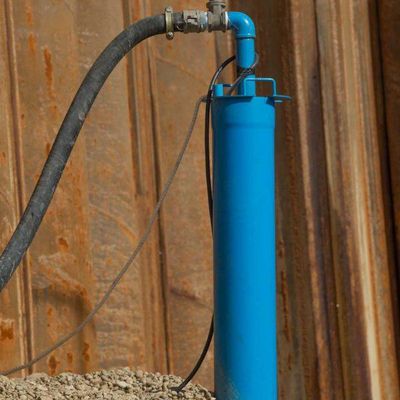
Recharge Systems allow water to be returned to the ground usually from abstracted water from a groundwater control system to prevent groundwater levels falling outside prescribed limits. Caution should be exercised when considering a recharge scheme to control groundwater levels or as a means of discharge disposal; such schemes are complex to operate and monitor and require careful planning. However, subject to obtaining necessary regulatory permissions recharge systems are a potential mitigation measure to control the impact on sensitive water dependant features such as wetlands, lakes, watercourses and water supply boreholes.
WJ - Passive Relief Systems
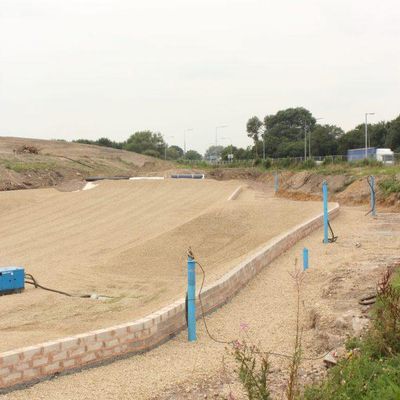
It is sometimes possible to control excess pore water pressures in a confined aquifer below the base of a proposed excavation by using passive relief well systems. The passive wells are drilled in the base of the excavation before the excavation has reached the piezometric level in the aquifer. As excavation continues below the piezometric surface, the wells will start to overflow, providing pressure relief. Water is then removed by sump pumping The effectiveness of the system is often proven with a pumping test carried out from a couple of passive wells that were lined during construction.