
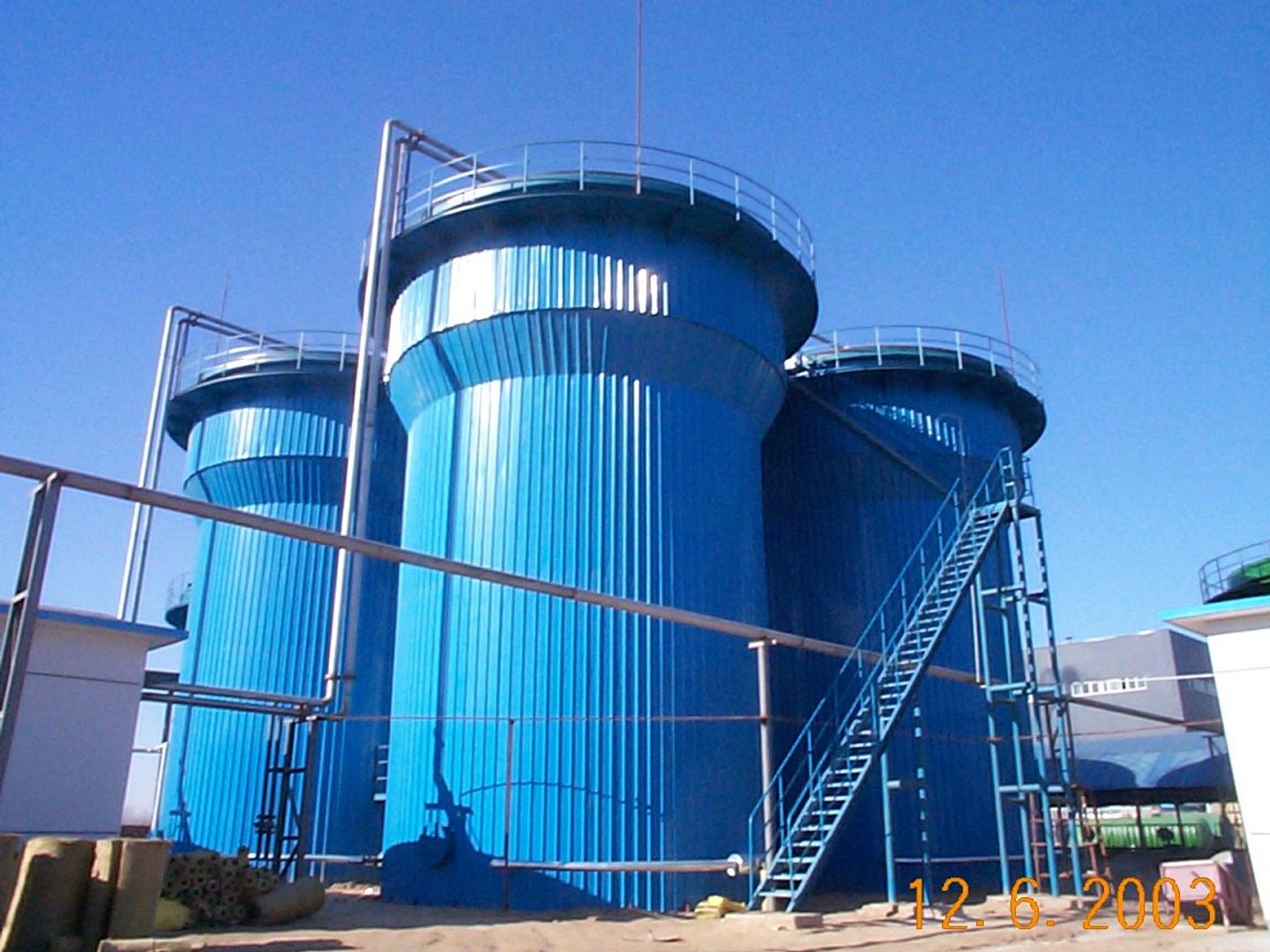

Woxford Environmental Technologies (UK) Ltd. applications
Since the 1990s, Woxford has applied our high-performance anaerobic bioreactor technology to challenging wastewater treatment projects in the pharmaceutical industry. After improvements and enhancements to our GX/HP-advanced anaerobic bioreactor technology spanning 20 years, it now offers not only complete treatment solutions for highly concentrated organic wastewater in large daily production volumes, but also advanced features in enhanced degradation of recalcitrant organic pollutants, and greater buffer capability to inhibitory and toxic compounds, such as antibiotics. See below for more details of key projects employing Woxford`s biological wastewater treatment systems.
The composition of wastewater from chemical plants varies widely. Sustainable treatments of effluent streams produced by chemical and petroleum industries are typically problematic, due to the complex compositions of pollutants, low biodegradability, and toxic matters. Nowadays, high salinity (5–25% chloride and/or sulphate) represents a major challenge in the biological treatment of chemical and petroleum wastewater. High salinity levels can render traditional biological and chemical treatment technologies ineffectual and prohibitively expensive. Organic pollutants in effluents can cause serious problems in the operation of MVR and membrane systems for salts` removal.

Modern food and beverage industry produce a large number of organic wastes and wastewater, the applications of biological disposal methods, particularly, anaerobic digestion processes, are crucial to the sustainability of the industry. The examples of the applications include meat & poultry processing, vegetable and fruit processing, beverage and brewing. Woxford`s consulting services, technologies and engineering expertise are ideal supports to the sustainable development of the food and drink industry worldwide. Woxford has been at the forefront of the industry in the UK and China for decades and has developed optimised solutions across Food and Beverage.
Developing a sustainable approach to the disposal of textile and dyeing wastewater is a fundamental industry challenge. Textile effluents contain various chemicals used in the production process and material pollutants, such as fibre, protein and other soluble organic pollutants. Higher costs are associated with the decomposition of any dye remaining in the effluent, due to the large size of dye molecules and their low biodegradability.