

Zenviro Tech US Inc. products
Exhaust Air Treatment
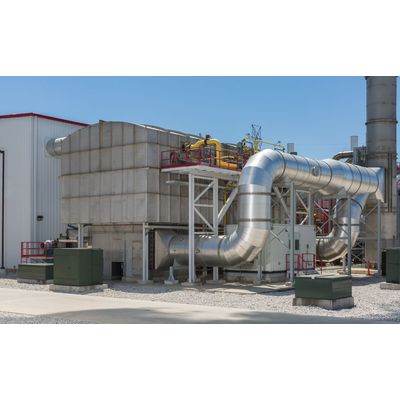
Zenviro Tech - Regenerative Thermal Oxidizer (RTO)
Regenerative thermal oxidation of 5,000 to 100,000 SCFM exhaust air flow. Zenviro Tech’s Regenerative Thermal Oxidizers (RTO) feature uncomplicated, robust technology with low operating costs. Our space-saving single reactor systems treat exhaust air flows from 10,000 to 160,000 Nm³/h or 5,000 to 100,000 SCFM, depending on size, and may be deployed with multiple reactors in parallel for larger air quantities.

Zenviro Tech - Thermal Oxidizer
Purify exhaust air with oxidation at high temperatures. Zenviro Tech’s thermal oxidizers have proven to be robust, reliable and ubiquitous in many applications. More than 1,200 pre-assembled and tested thermal oxidizers have been dispatched in our institutional history into satisfied customers around the world. Thermal oxidation achieves gas purity conversion well above 99% for VOCs, with some trade-offs in thermal NOx and CO. Based on clever process designs, Zenviro Tech is able to offer solutions that cost effectively mitigate NOx, CO and total carbon footprint through our thermal oxidizer designs.
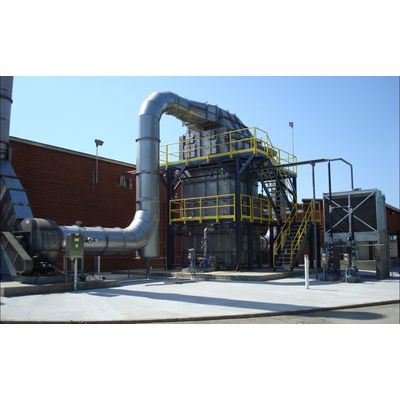
Zenviro Tech - Dual Flow Wet Electrostatic Precipitator
Remove sub-micron sized particulate matter, acid gases, and NOx from process exhaust. Zenviro Tech’s patented Dual Flow Wet Electrostatic Precipitator (WESP-2F) is an integrated solution for the removal of sub-micron sized particulate matter (PM10, PM2.5), acid gases, and NOx compounds from your process exhaust.
Wastewater Treatment
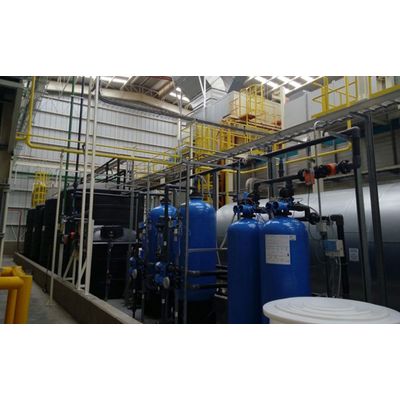
Zenviro Tech - Conditioning Systems for Clean Water
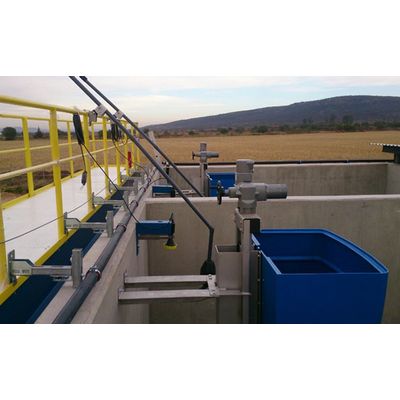
Zenviro Tech - Complete Treatment Technologies for Industrial Discharge Wastewaters
Zenviro Tech’s wastewater treatment systems combine necessary process technologies to reach required state and federal discharge limits and comply with local regulations. Our systems focus on removal of pollutants such as heavy metals, greases, suspended solids, oils, high salt content, toxic compounds, phosphates and more. Through the use of chemical-physical treatment (coagulation, flocculation and sedimentation), biological treatment (aerobic and anaerobic) and wet chemical oxidation (persistent or toxic organics).