
The CMM Group
- Home
- Companies & Suppliers
- The CMM Group
- Downloads
- Rotary Concentrator Systems
Rotary Concentrator Systems
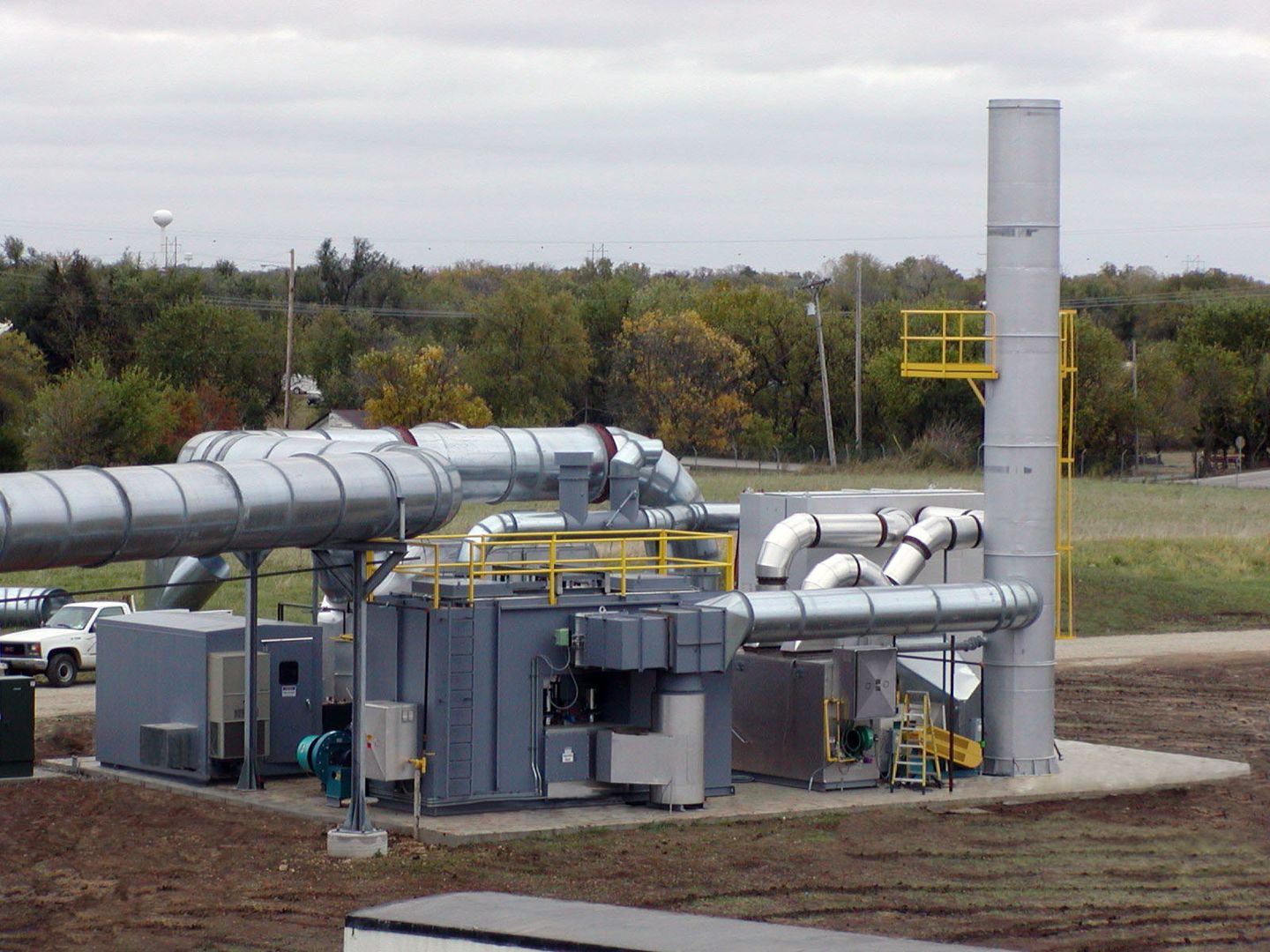
The CMM Group, LLC • 2071-C Lawrence Drive, P.O. Box 5903, De Pere, WI 54115-5903Phone 920-336-9800 • Fax 920-336-9797 • Email: info@thecmmgroup.comWebsite: www.thecmmgroup.comSingle Source Solutions For:Ovens & Dryers • Energy Recovery SystemsAir Pollution Control Systems • Production Machinery©2009 The CMM Group, LLC Printed in USA 2500109 Rotary Concentrator Systems from The CMM Group, LLC are hybrid air pollution control systems designed to efficiently remove and destroy air pollutants from a process exhaust air stream. The polluted air passes through a rotating wheel where the air pollutants are adsorbed onto a hydrophobic Zeolite media and then removed and destroyed by use of an oxidizer.During operation, air pollutants, captured from the process via a ductwork collection system, are passed through a high-efficiency filter as particulate can damage the concentrator wheel media. Once filtered, the polluted air passes through the rotating concentrator wheel where the air pollutants are adsorbed onto the hydrophobic Zeolite media. A slipstream of this air, approximately 10%, is routed through a cooling plenum while the remainder is routed directly to the common exhaust stack.The rotor itself is fabricated from a corrugated mineral fiber substrate to which the manufacturer permanently bonds a proprietary mixture of hydrophobic Zeolite and inorganic materials. The hydrophobic Zeolite rotor is inorganic and completely inert, has rigidity, physical integrity and the ability to withstand thermal stress. In this application the Zeolite removes the air pollutant from the manufacturing process exhaust air stream as it passes through the rotor.The concentrator wheel rotates at an approximate speed of 2-8 revolutions per hour, continuously passing a sector of the wheel with adsorbed air pollutant through a desorbtion plenum for removal by a heated air stream; thus continuously returning a regenerated (or clean) sector back into the main housing for further adsorbtion. Desorbtion is automated as the slipstream of air that was routed through the cooling plenum is sent through a supplemental desorbtion heater were it is elevated to desorbtion temperature of 175°C (350°F) and returned to the concentrator housing. This heated desorbtion air is directed back through the wheel via the desorbtion plenum were the concentrated pollutants are removed. The highly concentrated air stream is then routed to the Regenerative Thermal Oxidizer (RTO) for thermal destruction. Overall air pollutant destruction efficiencies of 96% can typically be guaranteed.Rotary Concentrator SystemStandard Features by CMM (Many custom options available)• High air pollutant destruction efficiencies are guaranteed• Lowest operating costs available with energy efficient design• Designed to meet your specific project requirements• Proven high quality components are used throughout• Control scheme is designed to automatically react to your manufacturing process• Modern PLC based controls with color touch-screen interface• Data-logger is included for recordkeeping• Meets or exceeds all regulations Typical Applications (Varies based on specifications)34,000 to 255,000+ NCMH (20,000 to 150,000+ SCFM)Suited for air streams with very low to low levels of air pollutantCommon uses include:• Automotive coatings• Chemical processing• FRP manufacturing• Paint & coatings manufacturing• Semi-conductor manufacturing• Surface coating• Wood finishing• Many others…Typical Advantages & DisadvantagesAdvantages:• Low operating costs with very low air pollutant concentrationsDisadvantages:• High capital cost• Design limited to ~96% VOC/HAP air pollutant destruction efficiency• Limited to low inlet temperatures• Particulate must be filtered• More moving parts, more maintenanceRotary Concentrator Airflow Diagram
Most popular related searches