
Refine by
Adedge Drinking Water Services
9 services found

Manufactured by:ChartWater™ - A Chart Industries Company based inDuluth, GEORGIA (US) (USA)
Hydrogen sulfide is a common nuisance contaminant. Although it is usually not a significant health hazard, hydrogen sulfide can have a temporary laxative effect on humans and young livestock. They also may clog plumbing and stain clothing. Hydrogen sulfide produces an offensive “rotten egg” odor and taste in the water, especially when the water is ...
Manufactured by:ChartWater™ - A Chart Industries Company based inDuluth, GEORGIA (US) (USA)
Iron and Manganese are common in groundwater and are typically seen as nuisiance contaminants which cause discoloration and taste issues with water. In addition to the effects iron and manganese have on drinking water, these two contaminants create headaches in many industrial and commerical process applications, including boiler feeds, cooling towers, and industrial remediation among ...

Manufactured by:ChartWater™ - A Chart Industries Company based inDuluth, GEORGIA (US) (USA)
Most nitrogenous materials in natural waters tend to be converted to nitrate, so all sources of combined nitrogen, particularly organic nitrogen and ammonia, should be considered as potential nitrate sources. Primary sources of organic nitrates include human sewage and livestock manure, especially from feedlots. The primary inorganic nitrates which may contaminate drinking water are potassium ...
Manufactured by:ChartWater™ - A Chart Industries Company based inDuluth, GEORGIA (US) (USA)
The dangers of arsenic in drinking water are masked by its colorless, odorless appearance. It is a carcinogen that occurs naturally in groundwater and is known for leading to dangerous health conditions such as cancer and heart failure. Compliance with the U.S. Environmental Protection Agency (EPA) and the World Health Organization’s (WHO) maximum contaminant level (MCL) of 10 parts per ...
Manufactured by:ChartWater™ - A Chart Industries Company based inDuluth, GEORGIA (US) (USA)
Chromium exists naturally and commonly in two forms: trivalent chromium (Cr (III)) and hexavalent chromium (Cr (VI)). Cr (III) is used as a nutrition supplement since it is necessary to the human diet. On the other hand, Cr (VI) has been a cause of concern because of its level of ...
Manufactured by:ChartWater™ - A Chart Industries Company based inDuluth, GEORGIA (US) (USA)
Since the 1940s, certain chemicals originating from manufactured substances around the world have been present and making their way into our environment. Known as PFAS, or per- and polyfluoroalkyl substances, these groups of manmade chemicals include PFOS (a key ingredient in some fabric protectors and stain repellents) and PFOA (often used in the making of Teflon and other compounds). Out of ...
Manufactured by:ChartWater™ - A Chart Industries Company based inDuluth, GEORGIA (US) (USA)
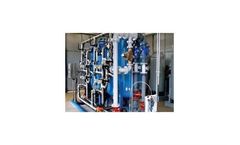
A AdEdge provides treatment systems for for uranium removal using AD92 an ion exchange media that is ideal for use in potable water as well as non-potable and environmental remediation applications for removal of naturally occurring uranium. The high efficiency AD92 can selectively remove the negatively charged uranium anion (most often in the form of uranyl carbonate) to below the existing EPA ...
Manufactured by:ChartWater™ - A Chart Industries Company based inDuluth, GEORGIA (US) (USA)
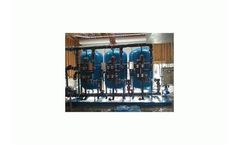
Many regions in the United States have excessive levels of ammonia in their drinking water sources (e.g., ground and surface waters) as a result of naturally occurring processes, agricultural and urban runoff, concentrated animal feeding operations, municipal wastewater treatment plants and other ...
Manufactured by:ChartWater™ - A Chart Industries Company based inDuluth, GEORGIA (US) (USA)
Fluoride is a naturally occurring mineral in the soil in some areas of the country. It can leach into the drinking water supply. At low levels, it is not considered to be harmful. In fact, many water treatment plants add fluoride to the water because fluoride has been shown to help decrease tooth decay; however, higher levels can be hazardous to our ...