


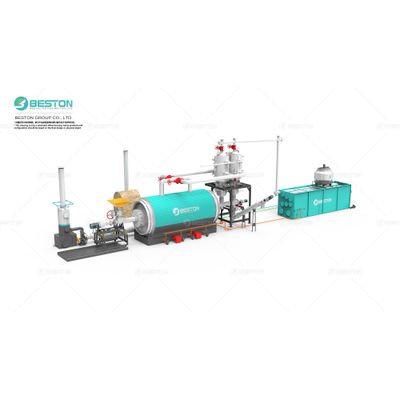
How to Deal with the Plastic Pollution Crisis: Plastic Pyrolysis Plant
Plastic pollution has emerged as a global menace, threatening ecosystems, marine life, and human health. The need to tackle this crisis has never been more urgent, and innovative solutions are crucial. This article explores the role of plastic pyrolysis plants as a promising approach to addressing plastic pollution.
Understanding Plastic Pyrolysis
Pyrolysis as a Solution
Definition and Process:Pyrolysis, in the context of plastic waste management, is a thermal decomposition process that breaks down plastic materials into valuable products without oxygen. This process holds great potential for transforming the way we deal with plastic waste.
Conversion of Plastics:The primary objective of plastic pyrolysis plant is to convert plastics into valuable products like fuel, chemicals, and feedstock for new plastics. This conversion mitigates the burden of plastic waste on the environment.
Types of Plastic Suitable for Pyrolysis
- Non-Recyclable Plastics:Plastic pyrolysis is ideal for non-recyclable plastics that would otherwise end up in landfills or incinerators. These plastics, which are challenging to recycle, find a new purpose through pyrolysis.
- Contaminated Plastics:Pyrolysis can effectively process contaminated plastics, such as those soiled with food or mixed with other materials, making it a versatile solution for various plastic waste streams.
Environmental Impact
Mitigating Plastic Pollution
- Reduced Landfill Use:Plastic pyrolysis significantly reduces the volume of plastic waste destined for landfills, alleviating the burden on already overburdened waste disposal sites.
- Preventing Ocean Contamination:By diverting plastics away from the environment, pyrolysis helps prevent plastic pollution in our oceans, which poses a grave threat to marine ecosystems.
Energy and Resource Recovery
- Production of Valuable Products:Pyrolysis plants produce valuable outputs, such as fuel oil, syngas, and char, from plastic waste. These products can serve as alternatives to traditional fossil fuels and raw materials.
- Reducing the Carbon Footprint:The process contributes to a reduction in the carbon footprint by recycling plastics into useful products, thus promoting a more sustainable approach to waste management.
The Mechanics of a Plastic Pyrolysis Plant
Process Steps
- Pre-treatment:The process starts with the preparation of the plastic waste, which may involve shredding and sorting to remove any contaminants.
- Pyrolysis:The plastic waste is then subjected to high-temperature pyrolysis, where it breaks down into its constituent elements.
- Condensation and Cooling:The resulting gases are condensed and cooled, resulting in valuable liquid and gaseous products.
- Product Collection:The final products, including fuel oil, gas, and char, are collected and can be used for various industrial applications.
Advanced Technologies
- Catalytic Pyrolysis:Some pyrolysis plants employ catalysts to enhance the efficiency and selectivity of the process, improving the yield of valuable products.
- Continuous Pyrolysis Systems:Continuous pyrolysis systems enable a more streamlined and efficient operation, reducing downtime and increasing productivity.
Industrial Applications
The Fuel Industry
- Conversion to Fuel Oil:The fuel industry benefits from pyrolysis by utilizing the produced fuel oil as a valuable source of energy.
- Gaseous Fuels:Gaseous fuels generated through pyrolysis can be used for heating and power generation, reducing the reliance on traditional fossil fuels.
Chemical Manufacturing
- Production of Chemicals:Pyrolysis products can serve as feedstock for chemical manufacturing, offering a sustainable source of raw materials for a wide range of industries.
- Plastic Feedstock:The plastics produced through pyrolysis can be used to create new plastic products, closing the loop on the plastic production cycle.
Challenges and Future Prospects
Economic Feasibility
- Cost Factors:The economic viability of plastic pyrolysis largely depends on factors such as initial investment, operational costs, and the market value of the produced products.
- Market Potential:The market potential for pyrolysis products, including fuel oil and feedstock, will be a determining factor in the widespread adoption of this technology.
Environmental Regulations
- Emission Standards:Compliance with emission standards and environmental regulations is crucial for ensuring that pyrolysis processes are environmentally friendly.
- Circular Economy Initiatives:Integration with circular economy initiatives and government support can further drive the adoption of pyrolysis machine, fostering a more sustainable approach to plastic waste management.
In conclusion, plastic pyrolysis plants offer a promising solution to the plastic pollution crisis by converting plastic waste into valuable products while mitigating the environmental impact. As technology advances and economic challenges are addressed, the integration of plastic pyrolysis into waste management systems represents a significant step towards a cleaner and more sustainable future.