


- Home
- Companies
- Beston Group Co., Ltd.
- News
- Industrial Oily Hazardous Waste ...
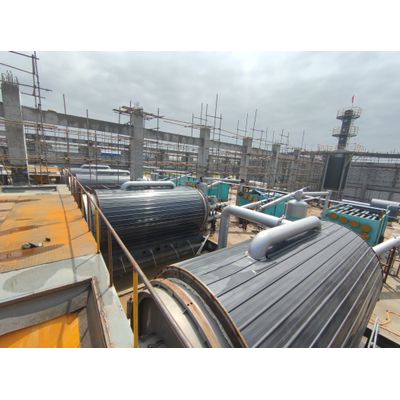
Industrial Oily Hazardous Waste Recycling Solution - Pyrolysis Plant
Industrial oily hazardous waste poses a growing challenge for various sectors, from petrochemical and automotive industries to oil drilling operations. Disposing of this waste safely and efficiently is not just a regulatory requirement but also a pressing environmental concern. Pyrolysis, an innovative recycling solution, has emerged as a game-changer in the quest for sustainable waste management. In this article, we delve into the world of pyrolysis plants, exploring the technology, processes, applications, and challenges.
Pyrolysis Process and Principles
Fundamentals of pyrolysis
At its core, pyrolysis is a thermal decomposition process that utilizes high temperatures in the absence of oxygen to break down complex organic compounds. This process transforms hazardous industrial waste into valuable products, including liquid fuels, gases, and solid residues. It's a sophisticated, multi-step procedure that hinges on specific temperature ranges and residence times.
Yield of valuable products
What sets pyrolysis apart is its ability to recover multiple valuable products from a single waste stream. This includes liquid oils that can be further refined into fuel, valuable gases like syngas, and solid residues with potential applications in construction materials or as an energy source. This comprehensive utilization of the waste stream makes pyrolysis a sustainable choice.
The science behind it
Pyrolysis relies on a range of chemical reactions influenced by factors such as temperature and the presence of catalysts. To optimize the process, precise control of these conditions is essential. The science behind pyrolysis is intricate, involving kinetic modeling and reaction pathways, all of which aim to maximize product yield and quality.
Key Components of a Pyrolysis Plant
The reactor chamber
The heart of a pyrolysis plant is the reactor chamber, where waste materials are subjected to high-temperature conditions. These chambers are constructed from specialized materials and insulation to withstand extreme heat. The reactor design is critical in maintaining the necessary thermal environment.
Gas and oil recovery systems
To ensure maximum product yield, pyrolysis plants employ advanced gas and oil recovery systems. These systems employ distillation and condensation techniques to efficiently separate and collect valuable liquid fuels and gases from the pyrolysis process.
Emission control and safety mechanisms
Compliance with environmental standards is a top priority. Pyrolysis plants incorporate emission control technologies to minimize harmful by-products. Additionally, robust safety measures, including emergency shutdown protocols, are implemented to protect both the environment and personnel.
Industrial Applications and Benefits
Waste streams suitable for pyrolysis
Pyrolysis is well-suited for a variety of waste streams, including oily sludge, drilling mud, and industrial residues. This flexibility reduces the environmental impact of these industries, allowing for responsible waste management and resource recovery.
Economic and environmental advantages
The economic benefits of thermal desorption unit are notable, with the potential for profit generation from waste. Simultaneously, its eco-friendly nature reduces the carbon footprint and mitigates the need for landfill disposal.
Challenges and Considerations
Regulatory compliance
Navigating the complex landscape of environmental regulations and permits is a key challenge. Compliance with emission control and waste disposal regulations is non-negotiable for a successful pyrolysis plant.
Initial investment and ROI
The setup and operation of a pyrolysis plant involve substantial initial investments. Calculating the return on investment (ROI) and assessing long-term profitability are essential considerations for potential investors.
Maintenance and operational hurdles
Ensuring the plant's longevity and consistent operation comes with its set of challenges. Proper maintenance routines and strategies to address unexpected issues and downtime are critical.
Future Prospects and Innovations
Advancements in pyrolysis technology
Ongoing research and development aim to improve the efficiency of pyrolysis processes. Innovations in catalysts, reaction kinetics, and process control are driving the industry forward.
Circular economy and sustainability
Pyrolysis plays a pivotal role in the transition to a circular economy by reducing waste, conserving resources, and generating clean energy. Its integration with other waste-to-energy technologies holds significant promise for a sustainable future.
Global impact and adoption
Pyrolysis is poised to make a global impact in waste management and recycling. As technology advances and adoption grows, it has the potential to address the world's mounting waste problem, offering a sustainable and economically viable solution.