




Is there money to be made from old tires?
Traditionally, waste is often dismissed as worthless and fit only for disposal. Yet, certain types of waste, like old tires, still possess reusable value. In this context, let’s delve into the business opportunities surrounding the recycling of old tires.
The Existing Situation of Old Tire Recycling
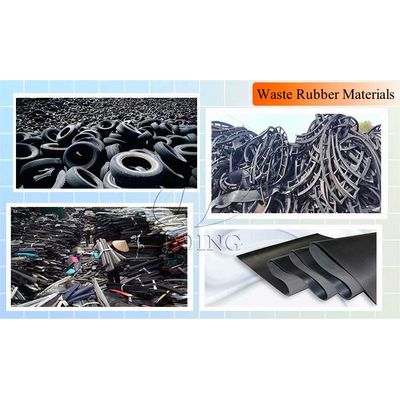
At present, China leads the world in the production of old tires, generating approximately 260 million units annually, equivalent to nearly 9.5 million tons. The annual growth rate of old tire generation falls between 8% and 10%. However, the recycling rate remains at a mere 50% or so. This not only results in a massive waste of resources but also inflicts severe environmental harm. When discarded carelessly, old tires take up space, become breeding grounds for mosquitoes, and spread diseases. Burning them in the open releases a large volume of harmful gases, posing significant threats to air, soil, and water quality. Thus, recycling old tires is of great importance for both resource conservation and environmental protection.
Globally, the issue of pollution caused by old tires is equally pressing. Countries such as Kuwait, Indonesia, Laos, Nigeria, India, Vietnam, South Africa, Canada, and Australia are all grappling with this problem and actively seeking effective solutions. Against this backdrop, businesses focused on tire recycling, particularly pyrolysis recycling, present a wealth of opportunities.
Profitable Methods of Old Tire Recycling
Retreading Old Tires: Retreading involves refurbishing worn-out tires to extend their service life. However, this method offers relatively low profit margins and faces limitations in market demand. The process is also relatively complex and demands strict quality control. Poorly retreaded tires may pose safety risks, which has restricted the large-scale development of the retreading industry.
Producing Tire Rubber Powder: Rubber powder obtained from old tires has a variety of applications, such as in rubber products, plastics, coatings, and construction materials. In recent years, however, the market for rubber powder has become saturated. Additionally, the high costs of rubber powder production equipment have led to declining profit margins, making it less attractive to investors.
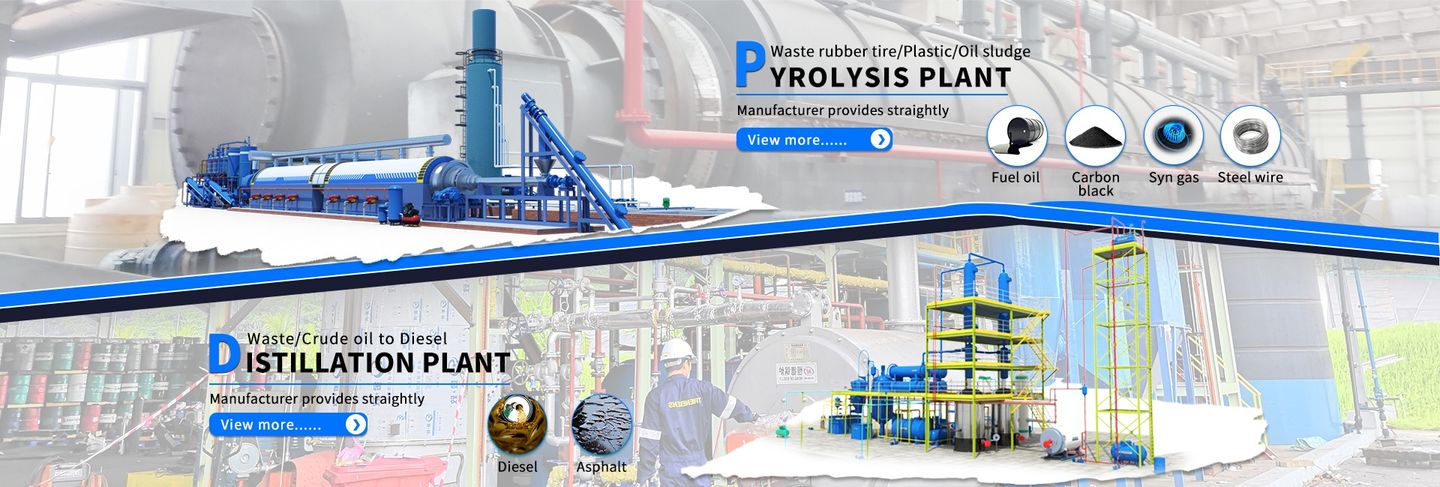
Pyrolyzing Tires into Fuel Oil: Tire pyrolysis technology involves heating old tires in the absence of oxygen to decompose them into fuel oil, carbon black, steel wire, and flammable gas. Among these methods, pyrolysis recycling stands out for its significant advantages.
The Advantages of Tire Pyrolysis Recycling
High Resource Utilization and Economic Benefits: Pyrolysis technology can convert old tires into multiple valuable products. Typically, 45% of the output is fuel oil, which can be used as heating fuel in cement plants, power plants, paper mills, and steel mills. Its calorific value is on par with light diesel, making it a cost-effective alternative to traditional fossil fuels. Carbon black accounts for 30% of the output and can be further processed into high-value products like rubber items and inks. Steel wire, which makes up 15% of the output, can be sold to smelting factories. The remaining 10% is flammable gas, which can be recycled to power the pyrolysis process, thereby reducing energy costs. This achieves nearly 100% resource utilization of old tires, maximizing economic benefits. Based on the profit analysis of a 10TPD tire pyrolysis recycling machine, investors may generate approximately $1,700 from old tires.
Moreover, in many European, Latin American, and Asian countries, cement plants, power plants, paper mills, and steel mills utilize fuel oil derived from pyrolyzed old tires as heating fuel. The results have been positive, not only reducing production costs but also addressing the environmental issues caused by old tires.
Environmental Benefits and Policy Support: Pyrolysis recycling effectively tackles the environmental problems associated with old tires, reducing pollution and promoting sustainable development. In some European countries, governments provide subsidies for the purchase of pyrolysis equipment and prioritize recycled products in public projects. These policies not only reduce investment risks for businesses but also enhance their profitability.
In summary, recycling old tires, especially through pyrolysis technology, offers substantial profit potential. It not only addresses environmental pollution but also generates significant economic returns. Companies like DOING are dedicated to offering advanced old tire pyrolysis recycling equipment and technical support to assist more clients in succeeding in the tire recycling industry. If you have business needs related to tire pyrolysis recycling, feel free to contact us.