


PFAS Regulations: Promoting Sensible Policy for the Environment
Who Is FSA:
The Fluid Sealing Association* (FSA) is an international trade association founded in 1933. Member companies produce and market a wide range of fluid sealing devices targeted to the industrial market. FSA membership includes a number of companies in Europe and Central and South America but is most heavily concentrated in North America. FSA members account for a majority of the manufacturing capacity for fluid sealing and containment devices in the Americas market.
Fluid sealing products, including those with PTFE, not PFOA, serve an essential role. They improve energy savings, reduce emissions, and improve worker safety and equipment reliability. The FSA promotes a targeted approach to regulating hazardous chemicals. We oppose regulatory overreach, and a one size fits all approach to PFAS chemicals, (would include safe PTFE and other fluoropolymers) which may lead to unintended consequences to the climate, economy and safety.

All PFAS chemicals are not equal and should not be regulated as if they are. Each should be treated differently according to Its application and toxicity. Umbrella legislation or regulation against oil PFAS could end the use of non-harmful PTFE—a protector of people, the environment, and industrial equipment These PTFE polymers in their finished form are well studied with no health risks, are corrosion resistant, save energy, increase safety and allow easy movement of machine elements. These products are used in infrastructure, aerospace, military, power generation and other energy sources, chemical processing, food, and pharmaceutical industries.
According to the Organization of Economic Cooperation and Development (OECD), "PFASs are a chemical class with diverse molecular structures and physical, chemical, and biological properties, it is highly recommended that such diversity be properly recognized and communicated in a clear, specific and descriptive manner. The term "PFASs" is a brood, general, non-specific term, which does not inform whether a compound is harmful or not, but only communicates that the compounds under this term share the same trait for having a fully fluorinated methyl or methylene carbon moiety,"
PTFE materials are "generally regarded as safe" by the FDA and are approved for implantation and various medical devices per USP Class VI designation. In sealing products, PTFE prevents leakage from industrial equipment. Leaks from these assets contribute to greenhouse gas emissions in some applications and create significant safety hazards in others. Seals that utilize PTFE polymers reduce leakage rates to almost zero making it a cornerstone in the effort to decrease fugitive emissions, battle climate change, and protect workers. In many applications the unique properties of PTFE mean that there is not an acceptable alternative solution.
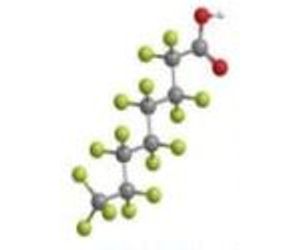
PFAS chemicals of concern Include perfluorooctanotc acid (PFOA) and perfluorooctane sulfonic acid (PFOS). These should be regulated to avoid entering drinking water and the environment. However, thousands of other chemicals which do not have these detrimental characteristics should not be grouped into one sweeping regulation or legislative action which may exclude or restrict safe materials that benefit safety and the environment Major PTFE manufacturers have removed the use of PFOA from PTFE production processes entirety, eliminating risk and the use of hazardous materials.
FSA supports:
- A science-based approach to regulating harmful PFAS chemicals, such as PFOA and PFOS.
- Regulations based on standardized test methods and acceptance limits of materials deemed harmful by the EPA.
- Continued mitigation efforts, including groundwater clean-up and funding to remove harmful chemicals.
- The EPA and other regulating bodies using the grouping concept to distinguish hazardous chemicals from non-hazardous in making determinations.
- The scope of any regulation should exclude all chemicals deemed non-harmful.
FSA opposes:
- Classifying and regulating all PFAS as a single group.
- Legislative provisions that would mandate hazardous designations for all PFAS, including PTFE and other safe fluoropolymers.
- Banning or otherwise limiting the development of new non-harmful PFAS.
- Such a moratorium as included in House-passed. HR 2467 would limit innovation of safe, efficient materials.
- Legislative provisions that would unnecessarily create liabilities under CERCLA since:
- A CERCLA designation could penalize the entire supply chain (distribution, transportation, etc.). including those who acted appropriately (no adverse environmental impact).
- CERCLA would require a designation of over 9.000 chemicals, most of which are non-harmful, safe and effective in their applicable uses.
Our mission is to be recognized as the primary source of technical information; to influence and support the development of related standards and to provide education In the fluid sealing area. To promote a safe, clean environment for society and a safe workplace for our employees and the employees of the users of sealing products. To monitor the economic, environmental, and social changes which may impact our membership`s business and to maintain a forum for the exchange of this information. FSA supports sensible regulation and legislation to protect the health and safety of our communities and environment.