


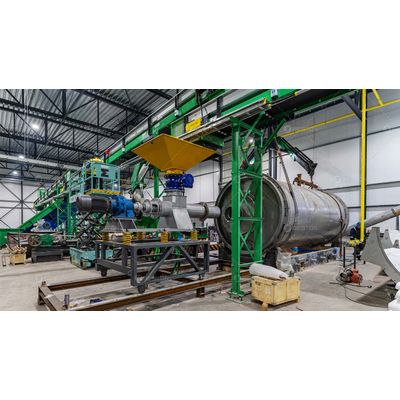
Plastic Pyrolysis Plant: Turning Plastic Waste into Valuable Resources
Plastic pyrolysis plants are at the forefront of the battle against plastic pollution. In this article, we'll explore how these innovative facilities work, their environmental benefits, and their potential to transform plastic waste into valuable resources like fuel and chemicals.
Introduction
Plastic pollution has reached critical levels, and finding effective ways to manage plastic waste is imperative. Plastic pyrolysis plant, a kind of thermal desorption unit, offers a promising solution by converting plastic waste into valuable resources.
How Plastic Pyrolysis Works
Plastic pyrolysis is a thermochemical process that breaks down plastic materials into smaller molecules in the absence of oxygen. The process consists of several key steps:
1. Feedstock Preparation
Plastic waste is sorted, cleaned, and shredded into smaller pieces to facilitate processing.
2. Pyrolysis Reaction
The shredded plastic is fed into a pyrolysis reactor, where it undergoes heating at high temperatures. This process causes the plastic to thermally decompose, yielding valuable products such as pyrolysis oil, syngas, and char.
3. Product Collection and Refining
The resulting products are collected and may undergo further processing to refine them into valuable fuels, chemicals, or materials.
Environmental Benefits
Plastic pyrolysis plant offers several environmental advantages:
1. Reducing Plastic Pollution
By converting plastic waste into useful products, these plants help reduce plastic pollution in landfills and oceans.
2. Resource Recovery
The pyrolysis process recovers valuable resources from plastic waste, reducing the need for virgin fossil fuels and raw materials.
3. Energy Generation
Pyrolysis oil and syngas can be used as alternative fuels, contributing to energy generation while reducing greenhouse gas emissions.
Applications of Pyrolysis Products
The products obtained from plastic pyrolysis have various applications:
Pyrolysis Oil: Can be used as a fuel for industrial processes or refined into transportation fuels.
Syngas: Used as a clean energy source for electricity generation or as a chemical feedstock.
Carbon Black: Utilized in soil improvement or as a carbon source for various applications.
Conclusion
Plastic pyrolysis plants represent a crucial step in addressing the plastic waste crisis. By converting plastic waste into valuable resources and energy, these facilities not only reduce environmental harm but also offer economic benefits and contribute to a more sustainable future.