

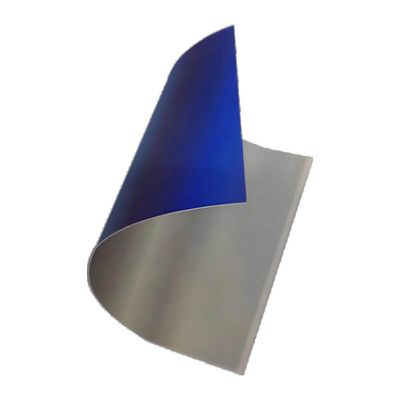
Positive Thermal CTP Plate for Commercial Printing
In the modern commercial printing industry, efficiency and precision are essential to business competitiveness. With the widespread adoption of Computer-to-Plate technology, positive thermal CTP plates have become a key consumable for high-quality printing applications such as catalogs, packaging, newspapers, and magazines, thanks to their excellent dot reproduction and stable press durability.
As a leading supplier of printing consumables, we are committed to providing high-performance thermal plates with stable physical properties and outstanding chemical resistance.
What Is a Positive Thermal CTP Plate?
A positive thermal CTP plate is a printing plate that is directly imaged by a thermal laser, usually an 830 nm infrared laser. During exposure, the coating in the laser-exposed area undergoes a chemical change and is removed by the developer, forming hydrophilic and oleophilic image/non-image areas for printing image transfer.
Product Structure and Working Principle
1. Structure
A positive thermal CTP plate usually consists of the following layers:
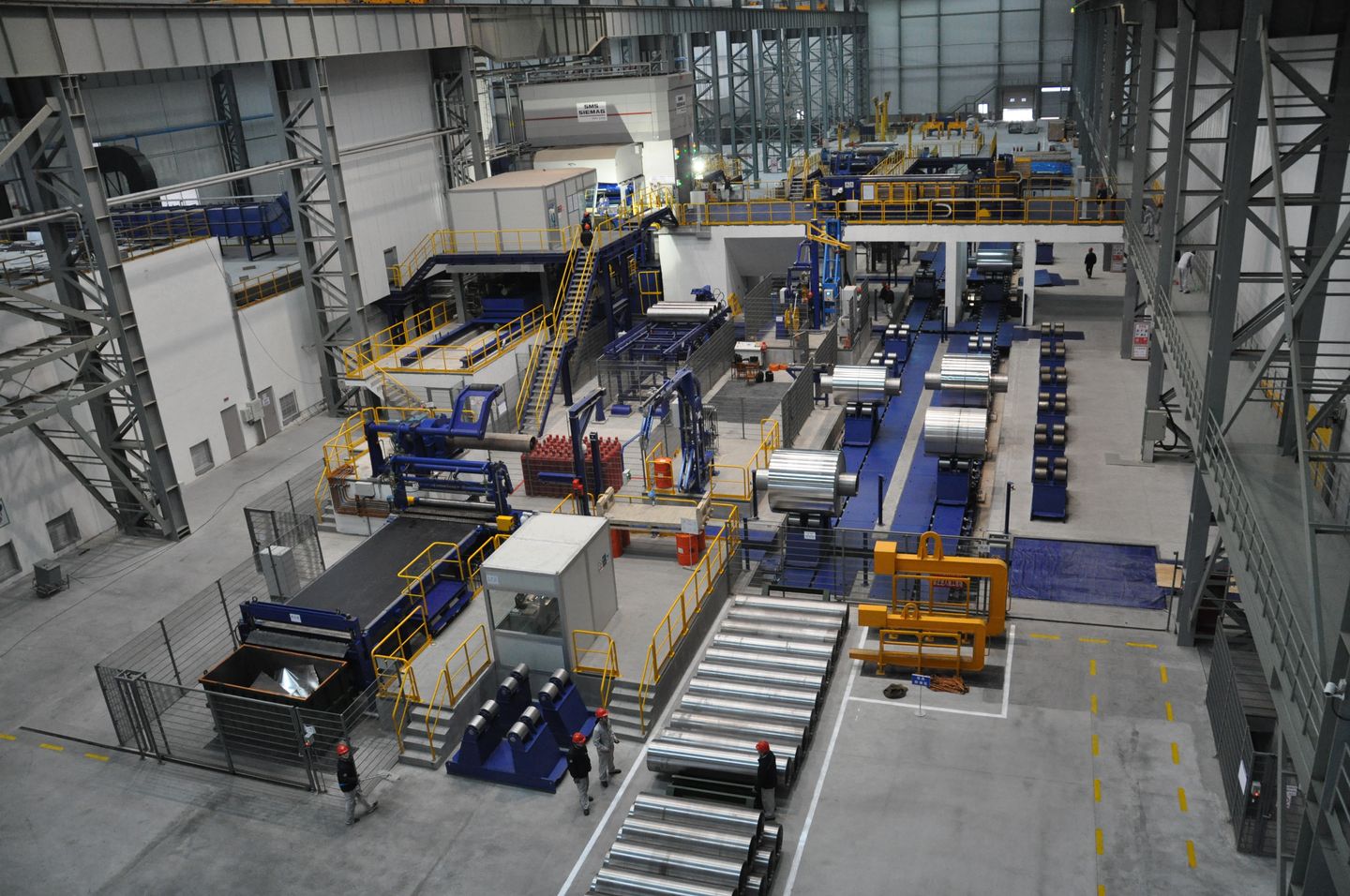
Aluminum Substrate: High-purity electrolytic aluminum, providing good mechanical strength and dimensional stability
Anodized Layer: Enhances press durability and hydrophilicity
Photosensitive Coating / Thermal Layer: Sensitive to infrared laser and enables image conversion
Protective Layer: Prevents scratches and contamination during transportation and storage
2. Imaging Principle
When the laser beam of the CTP device irradiates the plate surface:
The photosensitive layer absorbs thermal energy, causing molecular structure changes
The exposed area dissolves in the developer
The unexposed area remains, forming the printing image
This process eliminates the need for traditional exposure films, greatly improving efficiency and reducing errors.
Why Choose Positive Thermal CTP Plates?
1. Extremely High Imaging Resolution
Using advanced multi-layer coating technology, the plate supports 1%–99% dot reproduction. Whether it is delicate portrait skin tones or complex anti-counterfeiting lines, the plate can reproduce details accurately and meet printing requirements of 200 LPI or even higher screen rulings.
2. High Plate-Making Stability and Wide Operating Latitude
The imaging process of positive thermal plates is almost unaffected by changes in ambient temperature and humidity. With a wide development latitude, the plate has good tolerance to fluctuations in developer concentration, temperature, and development time. For printing companies with variable production environments, this means a lower plate waste rate and more stable production output.
3. Daylight Operation, Convenient and Safe
Unlike traditional photosensitive plates that require strict darkroom conditions, positive thermal CTP plates are insensitive to indoor yellow safe light and can be operated under daylight conditions. This greatly simplifies the environmental requirements of the plate-making workshop, lowers the operating threshold, and improves work efficiency and safety.
4. High Press Run Length, Suitable for Medium and Long Runs
Commercial printing orders often involve medium and long-run jobs such as books, catalogs, and promotional leaflets. High-quality positive thermal CTP plates usually offer a press run length of 100,000–150,000 impressions without baking. After baking, the run length can be increased to over 500,000 impressions, fully meeting the requirements of large-scale commercial printing production.
5. Environmentally Friendly and in Line with Sustainable Development
Positive thermal CTP plates use water-soluble developers and contain no toxic or harmful solvents. Waste liquid treatment is simple. Compared with traditional PS plates and some photosensitive plates, they require fewer chemicals and generate waste that is easier to dispose of in an environmentally friendly way, meeting the green development trend of the printing industry.
6. Broad Machine Compatibility
After strict testing, our positive thermal plates are fully compatible with mainstream CTP platesetters on the market, including:
Kodak full series
Heidelberg Topsetter / Suprasetter
And other mainstream thermal CTP platesetters
Applications of Thermal CTP Plates
High-End Catalogs and Art Albums
Suitable for printing projects with extremely high requirements for color reproduction and detail performance.
Hardcover Books and Periodicals
Ideal for jobs requiring stable dot reproduction and good batch consistency.
Commercial Promotional Materials
Used for flyers, brochures, posters, and other materials requiring fast and efficient production.
Packaging Printing
Suitable for cartons, labels, and other packaging products with high requirements for image and text accuracy.
Cultural and Creative Products and Special Substrate Printing
Applicable to non-standard printing jobs requiring good adhesion and high press durability.
Packaging and Delivery
Inner Protection
Moisture-proof interleaving paper is placed between each plate to prevent surface scratches and static adsorption.
Light-Proof Packaging
The plates are sealed with black anti-static PE film to strictly block moisture and light, ensuring that the photosensitive performance does not decline during storage.
Reinforced Outer Box
Customized high-strength thickened corrugated cartons are used, with anti-collision corner protectors installed around the package to effectively resist impacts during logistics.
Export-Grade Wooden Pallets
For bulk orders, fumigated export-standard wooden pallets are used, reinforced with plastic-steel packing straps and stretch film to ensure stability and safety during sea transportation or long-distance land transportation.
FAQ
1. What equipment is the positive thermal CTP plate suitable for?
It is suitable for mainstream 830 nm thermal CTP platesetters, such as Heidelberg, Komori, SCREEN, and other equipment. It can be used directly without additional modification.
2. Does it support processless or chemical-free processing?
Some models support processless or low-chemical processing, which can reduce developer usage and environmental pressure. The specific availability depends on the model.
3. What is the press run length of the plate?
Under normal unbaked conditions, the press run length can reach 100,000–200,000 impressions. After baking, the run length can be increased to over 1,000,000 impressions, making it suitable for long-run printing.
4. What are the storage requirements?
It is recommended to store the plates in a cool and dry environment, with a temperature of 15–25°C and humidity of 40%–65%. Avoid direct sunlight, high temperature, and high humidity.
5. Can you provide samples for testing?
Yes. Free or low-cost sample testing is available to help customers verify equipment compatibility and printing performance.
6. What is the delivery time?
Regular specifications are generally shipped within 7–15 days. Delivery time for bulk orders or customized specifications depends on the actual production schedule.
7. Do you support OEM or brand customization?
Yes. OEM service is available, including customized packaging, labels, sizes, and specifications.