


- Home
- Companies
- Beston Group Co., Ltd.
- News
- Unraveling the Cost Estimate for a ...
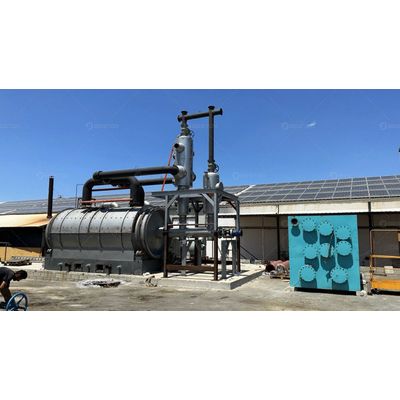
Unraveling the Cost Estimate for a Plastic Pyrolysis Plant
Introduction
Understanding Plastic Pyrolysis
Plastic pyrolysis, a process that converts plastic waste into valuable products like fuel oil, has gained significant attention for its environmental and economic benefits. However, before embarking on such a venture, understanding the cost implications is crucial.
The Importance of Cost Estimation
In this article, we explore the intricacies of estimating the cost of a plastic pyrolysis plant. From the machinery and equipment to operational costs, a comprehensive understanding is essential for ensuring the economic viability of this innovative endeavor.
Components of a Plastic Pyrolysis Plant
Reactor
- Types of Reactors
The choice of reactor significantly influences the cost of the plant. Batch, continuous, and semi-continuous reactors each have their own advantages and cost considerations. - Cost Considerations
Factors like reactor size, material quality, and safety features play a crucial role in determining the cost associated with this key component.
Condenser
- Significance in the Process
The condenser is vital for converting the pyrolysis gas into valuable liquid products. Its efficiency directly impacts the plant's output. - Cost Factors
Materials used, design complexity, and size of the condenser all affect the overall cost of this critical component.
Feeding System
- Role in Automation
An automated feeding system can enhance operational efficiency. However, automation comes at a cost, which varies based on the system's sophistication. - Cost Implications
Investing in a reliable feeding system can lead to long-term savings and consistent performance, but it's important to assess the initial cost against the potential benefits.
Emission Control System
- Environmental Compliance
To meet environmental regulations and ensure a sustainable operation, an emission control system is essential. - Cost and Efficiency
The choice of emission control technology, such as scrubbers or filters, influences both capital and operational costs, while also impacting plant efficiency.
Operating Costs
Labor Costs
- Skilled vs. Unskilled Labor
Deciding between skilled and unskilled labor is a balance between expertise and cost. Skilled labor may demand higher salaries but can enhance operational efficiency. - Training and Certification
Investing in training and certification programs for your workforce is a cost that contributes to long-term competence and safety.
Energy Consumption
- Power Requirements
The energy consumption of a plastic pyrolysis plant varies based on size and automation level. Understanding the power needs is essential for estimating operational costs. - Cost of Energy Sources
The cost of energy sources, whether electricity or alternative fuels, directly impacts operational expenses. Evaluating the most cost-effective energy source is crucial.
Maintenance and Repairs
- Regular Maintenance
Regular maintenance is necessary to ensure the plant's longevity and efficiency. Budgeting for routine upkeep is essential for avoiding unexpected breakdowns. - Handling Unforeseen Issues
In addition to routine maintenance, setting aside funds for unforeseen repairs is vital. The cost of addressing unexpected issues can vary widely.
Regulatory Compliance
- Permits and Inspections
Obtaining the necessary permits and undergoing inspections is a legal requirement. Budgeting for these costs ensures compliance with regulations. - Costs for Adherence
Legal consultation fees and expenses related to regulatory compliance add to the overall cost of running a plastic pyrolysis plant.
Initial Investment and Capital Costs
Land and Infrastructure
- Location Considerations
The location of the plant influences land costs and infrastructure requirements. Proximity to feedstock sources and markets is a key consideration. - Construction Expenses
The cost of constructing the plant and establishing infrastructure can be substantial and should be factored into the initial investment.
Machinery and Equipment
- Cost Variation for Different Capacities
The choice of machinery and equipment, often based on the plant's capacity, significantly impacts the initial investment. - Quality and Supplier Choices
Selecting high-quality machinery and equipment may have a higher initial cost but can lead to long-term savings and reliability. Choosing reputable suppliers is crucial.
Licensing and Legal Costs
- Permit and License Fees
Obtaining the necessary permits and licenses involves fees that are part of the initial investment. These costs can vary depending on location and regulations. - Legal Consultation Fees
Seeking legal advice for contractual agreements and regulatory compliance also contributes to the initial capital costs.
Contingency Funds
- Dealing with Unexpected Costs
Setting aside contingency funds is essential for addressing unexpected expenses that may arise during construction or the early stages of operation. - Importance of Financial Preparedness
A well-funded contingency can help prevent project delays and financial strain, ensuring a smoother startup phase.
Estimating the Total Cost
Breakdown of Costs
Categorizing costs into capital (initial investment) and operational (ongoing) is a fundamental step in estimating the total pyrolysis plant cost.
Long-Term vs. Short-Term Perspective
Taking a long-term perspective, including return on investment (ROI) and profit projections, is essential for understanding the financial sustainability of the project.
ROI and Profit Projections
Calculating ROI and profit projections involves considering the market price of the products (like pyrolysis oil) and the plant's capacity to produce them efficiently.
Sustainability and Investment Goals
Aligning investment goals with sustainability objectives is not only ethical but can also be financially rewarding. Many investors are attracted to eco-friendly ventures.
Conclusion: Ensuring Economic Viability
In conclusion, estimating the cost of a plastic pyrolysis plant is a complex and multifaceted process. By comprehensively analyzing all the components, operational costs, initial investment, and sustainability aspects, investors and operators can ensure the economic viability of their venture. It's an industry that holds the promise of turning plastic waste into valuable resources while securing a sustainable and profitable future.