


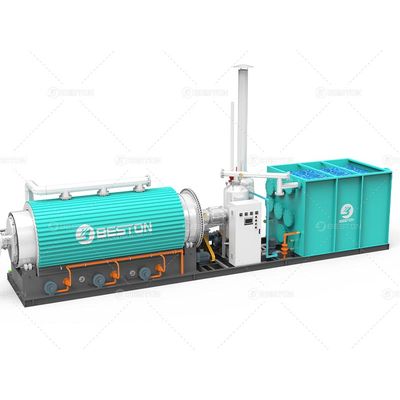
Why Applying Pyrolysis To Waste Plastic Pyrolysis Plants Is A Superb Option
In recent years, the waste pyrolysis industry has witnessed a surge in innovation, with pyrolysis emerging as a highly effective method for pyrolysis plastic waste. This article explores why applying pyrolysis to waste plastic pyrolysis plants is a superb option, shedding light on its potential benefits for businesses in the pyrolysis sector.
Traditional pyrolysis methods within the plastic waste industry have often lagged behind in terms of efficiency and profitability. Many pyrolysis businesses still rely on outdated processes that yield minimal profits and struggle to sustain their operations. New managers in the pyrolysis sector are quick to notice this lack of innovation and are opting for more efficient and innovative approaches.
Pyrolysis, a relatively recent development, has revolutionized plastic waste pyrolysis. This method offers significantly higher efficiency compared to conventional processes. Utilizing pyrolysis in waste plastic pyrolysis plants can give businesses a competitive edge by allowing them to recycle waste more efficiently. This efficiency not only boosts profitability but also helps gain a larger market share by outperforming competitors.
The advantages of incorporating pyrolysis into waste plastic pyrolysis machine are manifold. Managers looking to enhance plant productivity should explore the potential of pyrolysis and engage in discussions with executives. Convincing management to implement pyrolysis can result in substantial revenue and profitability increases.
Currently, only a handful of pyrolysis businesses employ pyrolysis, presenting a significant growth opportunity for these early adopters. These businesses are poised for substantial expansion as they harness the enhanced efficiency and effectiveness of pyrolysis. Companies that fail to embrace this technology may witness a decline in market share and profits over time.
For modern waste pyrolysis industry managers, seizing the benefits of new technologies and processes like pyrolysis is imperative. The data clearly supports the superiority of pyrolysis over other pyrolysis methods for plastic waste. Transitioning to pyrolysis can lead to increased profits and a dominant market position. Neglecting this opportunity may render businesses increasingly irrelevant in the evolving waste pyrolysis landscape.
In conclusion, waste pyrolysis businesses have much to gain by adopting pyrolysis in their waste plastic pyrolysis machine. The evidence overwhelmingly supports this process as a superior choice for plastic waste pyrolysis. Embracing pyrolysis can translate into higher profits, market dominance, and sustained relevance in an industry characterized by rapid innovation.