


J. D. Gould Company, Inc.
- Home
- Companies
- J. D. Gould Company, Inc.
- Products
- J-D-Gould - Model M-1-3T - 2- Way Cast ...
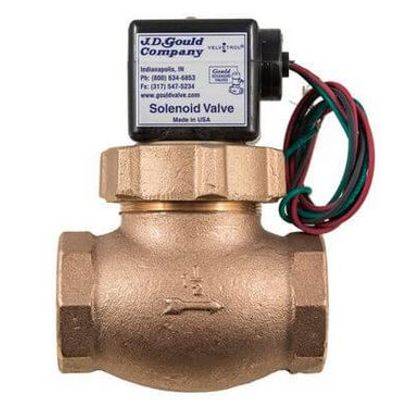
J-D-Gould - Model M-1-3T -2- Way Cast Bronze Bodies Valve
Select the Maximum Pressure Rating closest to but not exceeding the actual pressure under which the valve will operate (Example: offered ranges are 5–50 psi or 5–125 psi. Your steam application has a Maximum Pressure of 75 psi > pick the 5–125 psi rated valve).
Most popular related searches
valve operator
inline strainer
brass valve
waterproofing
strainer
maintenance inspection
globe valve
inspection system
- Bronze · 1/8″ – 2″ npt
- Normally Closed
- Teflon Leak Proof Seats
- Steam
- 5-125psi
- Media temps to 356°
- NEMA 4X Watertight Coil Standard
- 120,240,480,120/240 (50/60hz)
SERVICE RATINGS
-
- Pipe Sizes Available: 1/8”, 1/4”, 3/8”, 1/2”, 3/4”, 1”, 1¼”, 1½”, 2” NPT
- Media: STEAM, Hot Water, Hot Air
- Pressure Range: 5 – 125 psi Minimum pressure drop of 5 psi (ΔΡ) required for proper operation. For optimal valve operation, specify your actual pressure range.
- Rated Fluid Temperature Range: –40°F to +356°F
- Voltages Available: 24, 120, 240, 480 or Dual Voltage: 120–240 VAC 50–60Hz 26 Watts Max
- Coil Specifications:
- NEMA 4X Waterproof Corrosion Resistant Coil
- Continuous Duty Polyester, Thermoset Epoxy Molded with 18” Leads and ½” Conduit Connector
- Insulation: Class H
- , (356°F Maximum Fluid Temp @ 77°F Ambient)
Valve Construction
- GLOBE BODIES are Sand Cast Bronze – Max Pressure Rated: WSP 200 psi – WOG 400 psi.
- BONNET ASSEMBLIES are 304 SS Tubes with Brass Tube Plugs Silver–soldered to a Brass Bonnet. BONNET O–RING is Viton®.
- PISTON ASSEMBLIES are Brass or Bronze with Brass SEAT SCREWS and a Teflon® Insert. 316SS EXPANDER RINGS are behind Glass & Moly–Filled Teflon® PISTON RINGS plus a Teflon® SEAT DISC and Brass or Bronze GUIDE NUT.
- PILOT VALVE is 416SS and PISTON SPRING is 302SS.
MOUNTING & SERVICE
-
- Installation: Valves must be mounted in horizontal pipe with coil vertical, upright and on top. A 40–mesh inline strainer is recommended ahead of the valve. Valve will not open on a Closed System (pressure is equalized across the valve).
Maintenance:
- As with any piece of equipment, reasonable inspection and maintenance of components should be periodically performed. Frequently check operation, cleanliness and internal wear. Any questions, consult factory.