
Is your compressed air system leaking foul odors? If so, Pioneer Air Systems can help. Our industry-leading activated carbon desiccants reduce odors, toxic gases, and harmful vapors. Our activated carbon material also prevents mold and mildew from causing further production issues. Here’s everything you need to know about carbon desiccants:

Pioneer Air Systems, LLC
- Home
- Companies
- Pioneer Air Systems, LLC
- Products
- Pioneer Air Systems - Activated Carbon ...
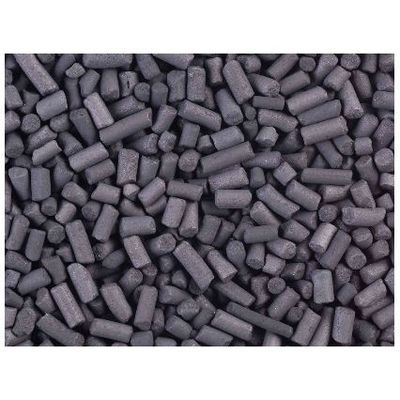
Pioneer Air Systems - Activated Carbon Desiccants for Air Systems
Pioneer Air Systems specializes in producing activated carbon desiccants tailored for use in compressed air drying solutions, aiming to minimize odors, toxic gases, and harmful vapors. Activated carbon, a porous substance generated by burning carbon-rich materials in absence of oxygen, exhibits a heightened surface area that facilitates the adsorption of organic chemicals. This makes it an optimal choice for industries requiring efficient moisture control and elimination of impurities. Pioneer offers diverse carbon desiccant varieties, including catalytic, coal-based, wood-based, and impregnated types, each tailored for specific industrial applications. These products play vital roles in purifying air, water, and gases, significantly enhancing the longevity of oxygen dryers, aiding in CO2 capture and sequestration, and supporting industries such as pharmaceuticals, wastewater treatment, and power generation. By leveraging activated carbon, Pioneer aims to deliver solutions that promote operational efficiency and environmental sustainability.Most popular related searches
activated carbon
carbon capture and sequestration
coal-based activated carbon
activated carbon air
wood-based activated carbon
compressed air dryer
active carbon air filter
activated carbon air filter
activated carbon industry
activated carbon system
Industries worldwide are looking for ways to reduce or eliminate their carbon footprints. Pioneer Air Systems is here to support them with innovative carbon capture and sequestration solutions. Pioneer Air’s CO2 dryers have become integral to our clients’ operations at production plants, petroleum refineries, and power generation facilities. Our activated carbon desiccants prolong the life of your oxygen dryer.
Activated carbon is a porous substance that attracts and holds organic chemicals. Carbon becomes activated by a burning carbonaceous substance without oxygen present. The burning molecule is treated chemically or physically to develop a series of holes or pores within the carbon. The increased surface area of pores attracts and maintains organic chemicals.
Activated Carbon Uses
Activated carbon desiccants are used as economical adsorbents to maximize compressed air dryer efficiency and longevity. These desiccants are used in many applications, including communication equipment, bulk chemicals, artifact storage, shipping containers, consumer products, medical equipment, furniture, food products, electronic packaging, and pharmaceuticals.
What Does Activated Carbon Do?
Activated carbon is used across various industries as an effective adsorbent. The high surface area and reactivity makes activated carbon useful for purifying, dechlorinating, and decolorizing liquid and vapor components.
The physical and chemical makeup of carbon desiccants is important for removing contaminants from complex systems. Pioneer Air Systems offers several types of activated carbon desiccants:
Catalytic-Based Activated Carbon
Catalytic components activate carbon to remove chloramines and hydrogen sulfide from drinking water as an alternative to chlorine. Listed below are a few benefits of catalytic-based activated carbon:
- More effective than conventional carbons
- Recycled and reused through thermal reactivation
- Onsite regeneration for lower costs
- Quick chemical reactions that require less carbon and smaller equipment
Coal-Based Activated Carbon
The pore distribution system within coal-based carbon is optimal for removing molecular structures of any size. Coal carbon aids in odor control by improving the taste in liquids, purifying wastewater, decolorizing liquid, and removing vapor from liquid applications.
Industries typically use coal-based activated carbon for wastewater treatment, industrial air purification, food and beverage purification, automotive manufacturing, and pharmaceutical production. Coal material is beneficial for:
- A consistent density
- Minimal dust generation
- Economical adsorption in compressed air dryer systems
Wood-Based Activated Carbon
Wood-based carbon has a high surface area containing mesopores and micropores with excellent decolorizing abilities. This carbon material is produced from sawdust and typically used in wastewater filters to remove organic impurities that break down larger molecular structures. Wood-based carbons create a high surface area in granular, powdered, or pellet form.
Applications for wood-based activated carbon include decolorization of oil, water purification, wastewater treatment, and pharmaceutical uses. Wood carbon is a low-density renewable source of raw material.
Impregnated Activated Carbon
Modified chemical impregnation activates carbon through metal particles on the internal surface of pores. Carbon’s adsorption capacity significantly increases, providing a cost-effective method for removing impurities from gas streams. Impregnated carbon is used in many gas purification and water treatment processes.
Many products and services need activated carbon. Listed below are different industries and their applications that require carbon:
Food and Beverage
- Wine: Removal of discoloration, haze, and odor
- Soft drinks: Correction of sugar and syrup discoloration
- Sweeteners: Purification of sucrose, glucose, and fructose
- Edible oil: Color modification and contaminant removal
- Fruit juice: Decolorization and deodorization
Air and Gas
Pioneer Air System’s activated carbon desiccants support the air and gas industry by:
- Removing hydrogen sulfide, volatile organic compounds, and siloxanes from production processes
- Recovering solvents for reuse
- Controlling color and impurities in natural gas liquids
Water
The EPA considers activated carbon technology the best method for removing contaminants in surface water. Granular activated carbon is essential for adsorbing organic carbon material throughout this process. Carbons aid in the removal of:
- Compounds that cause unwanted taste and odor
- Organic material from decaying plants
- Heavy metals and pesticides
The longevity of your compressed air dryer relies on humidity and moisture control. Pioneer’s selection of dryer desiccants includes color change, activated carbon, activated alumina, molecular sieve, deliquescent, silica gel, and natural gas desiccants. These products control pressure dew points, eliminate wet gas and air, maintain fuel gas purity, and can be used for regenerative drying. Contact our team today for effective activated carbon desiccants.