


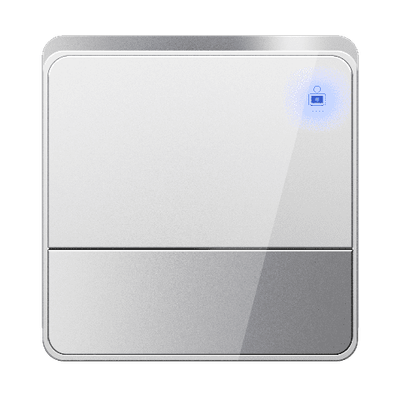
Adaptive Care - Model CLB -Acoustic Monitoring System for Care Environments
Adaptive Care offers the CLB Acoustic Monitoring system, a critical tool designed to enhance care provision within various health care environments, including care homes. This technology utilizes sound alerts to notify a central hub of movements, enabling care providers to preemptively address potential incidents, such as residents attempting to leave their beds unassisted. The acoustic monitoring system improves the quality of person-centered care, allowing for increased privacy and independence for residents while reducing the need for regular invasive night checks. This system is particularly beneficial for improving patients' sleep cycles, lowering operational costs, and enhancing the overall response time to potential falls. Furthermore, it bolsters privacy and dignity by reducing physical checks, a crucial aspect for vulnerable individuals in care settings. Acoustic monitoring also addresses issues of abuse by providing sound alerts that can indicate trouble, offering peace of mind to both residents and their families.
Acoustic Monitoring:
A non-intrusive commitment to care
Whether you’re in the NHS, public sector, or social care, providing quality care is essential to your residents. Acoustic monitoring helps to improve person-centred care, promoting privacy and independence within your care setting.
Acoustic monitoring is a system that relies on sound to alert a central hub that something is happening in the environment. Over the last few years, acoustic monitoring has become an essential way to monitor those in care homes in a non-intrusive way.
By alerting care givers to potential movement, they can swiftly check on residents before an accident occurs – for example if they are attempting or struggling to get out of bed. Without the need for regular intrusive night time checks, service users can wake up feeling well-rested and content, making their time in the care home much more enjoyable. Watch the full video below.
Our most vulnerable members of the community deserve the best quality care that not only supports them in their later life, or with their additional needs, but also promotes dignity and independence. Across the care industry, acoustic monitoring provides many benefits to both service users and service providers from improved sleep cycles to lower operational costs.
Better level of care
Care providers can dedicate more time to solving problems when they arise, without the worry that other problems are going unnoticed.
Better Attention
Placing trust in acoustic monitoring means attention can be focused on the patient being cared for, reducing the chance of distractions.
Better sleep cycles
Acoustic monitoring allows care providers to leave residents and patients sleeping through the night, without having to provide regular intrusive checks.
Reduced running costs
Instead of performing regular, time-consuming checks, care providers can turn their attention to other tasks, helping to free up time and reduce operational costs.
Faster response
Care providers can attend to incidents as soon as they occur, reducing the chance of service users being left in a vulnerable position between manual checks.
Prevent falls
By alerting care providers as soon as movement is detected, acoustic monitoring evidenced to prevent falls by 55%.
Protect privacy
With fewer physical in room checks required, acoustic monitoring improves privacy for residents and patients who deserve higher levels dignity and independence than previously possible.
Prevent abuse
Physical signs of abuse can often be covered up. Audio signs, however, are harder to hide when areas are covered by acoustic monitoring – giving patients, residents, and their families greater peace of mind.