


Baoji Qixin Titanium Co.,Ltd
- Home
- Companies
- Baoji Qixin Titanium Co.,Ltd
- Products
- Baoji-Qixin - Titanium Anode Plate for ...
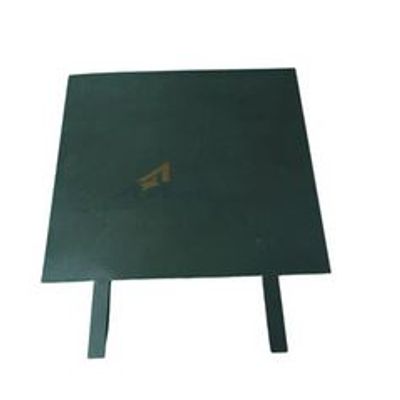
Baoji-Qixin - Titanium Anode Plate for Metal Electrowinning Plant
In electroplating applications, the desired plating metal is dissolved in the electrolyte, the plated metal substrate is used as the negative electrode, and the anode is used as the positive electrode, forming a complete current transfer cycle. The chemical reaction that occurs simultaneously with plating in the plating bath is the precipitation of oxygen on the surface of the anode.
Most popular related searches
- Coating type: Iridium-tantalum/ruthenium-iridium
- Use industry: electroplating industry
- Current density: 600-1500A/m2
Precious metal coated titanium anode is coated with precious metal iridium salt on titanium substrate and sintered at high temperature. It is widely used in wet metallurgy industry such as electroplating (electroplating copper, nickel, cobalt, gold, zinc, etc.) and electrolysis (electrolysis of copper, nickel, palladium, rhodium, etc.).
The preparation and application of titanium anodes coated with precious metal oxides is quite mature. Compared with the traditional process of applying platinum-plated electrodes in alkaline copper, MMO titanium anode manufacturers describe the advantages of titanium anodes as follows:High current efficiency, good corrosion resistance, long anode life, high current density (up to 10000 A/m2).
- Energy saving: As we all know, platinum-plated electrode is a high oxygen potential (1.563V, compared with mercurous sulfate) electrode, while titanium anode with precious metal oxide coating is a low oxygen precipitation overpotential (1.385V, compared with mercurous sulfate) electrode, which is easier to precipitate oxygen in the anode precipitation zone. As a result, the tank pressure is relatively low during the electrolysis process, thus saving more electrical energy.
- This phenomenon is evident in the alkaline copper plating solution for copper foil post-treatment.No pollution:Precious metal oxide coated titanium anode coating is a ceramic oxide of precious metal iridium, which is a rather stable oxide, almost insoluble in any acid or alkali, and the oxide coating is only 18~40μm, so the oxide content of the whole coating is very small. Therefore, the precious metal oxide coated titanium anode will not pollute the plating solution and is basically the same as platinum plated electrode.
- High cost performance:In order to achieve the same service life of platinum-plated electrode (coating thickness 3.5μm), the price of precious metal oxide coated titanium anode is about 80% of that of platinum-plated electrode. Precious metal oxide coated titanium anode has good electrochemical stability in alkaline copper plating electrolyte, and has excellent electrocatalytic activity and durability.
- In the printed circuit board industry, copper plating requires pulse-periodic reverse current (PPR). We know that in an environment containing chlorides in sulfuric acid systems, platinum-coated titanium anodes will flake off the platinum layer after working for a period of time. However,precious metal oxide coated titanium anodes can effectively change this situation.
- Low maintenance cost: Compared with traditional soluble electrodes (graphite and lead alloy electrodes), precious metal oxide coated titanium anodes do not require frequent stoppages for cleaning and replenishment of anodes, nor do they require frequent replacement of anode packages and recoating of anodes, which improves productivity and reduces labor costs;
- Under the same working conditions, the lifetime of titanium anodes with precious metal oxide coating depends on the working current density, temperature and composition of the plating solution.
- Zinc plating, including steel plate galvanizing;
- precious metal plating (including gold plating, silver plating, palladium plating, etc.);
- hard chrome plating;
- nickel plating; tin plating (steel plate tin plating);
- copper plating, copper foil production and copper foil post-treatment, applied to aluminum foil anodization in liquid conductivity generation tanks.