


- Home
- Companies
- Beacon Water Treatments Limited
- Products
- Beacon - pH Correction System
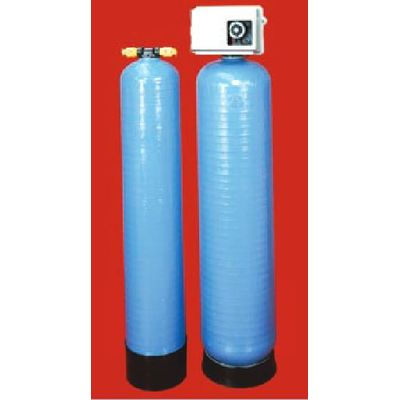
Beacon - pH Correction System
When rain falls, the water has a naturally aggressive, slightly acidic nature. This water then dissolves chalk and/or metallic deposits present in the local rock strata which leads to contamination of the water. This results in ground and borehole water containing a number of elements that would not otherwise be present in mains water. These contaminants (such as iron and manganese) then cause problems when the water is put into use.
Acidic water results in corrosion of pipework, heating cylinders and equipment. Any iron and manganese present will result in poor tasting water, in addition to staining baths, basins and any appliances with which the water may come into contact.
A pH value below 7 is considered to be acidic, and corrosion accelerates at pH levels below 6.5, with levels below 6.0 considered to be extremely aggressive. It is usually difficult to remove iron and manganese from acidic water, so often the first step in the process is to raise the pH.
The simplest and safest way to raise the pH is to run the water through a pressure vessel containing a bed of specially activated limestone. This is a mixture of calcium and magnesium salts, which are the salts found in waters of pH greater than 7.0. This limestone gradually dissolves increasing the pH level of the water. As the limestone dissolves, it will need refilling periodically. Refilling is straightforward as the media is inert and easy to handle.
To treat waters that are otherwise clean and pure, a basic up-flow system is all that is required. For water with iron, manganese or turbidity problems, an automatic back-washing downflow system will be needed to remove accumulated debris.