


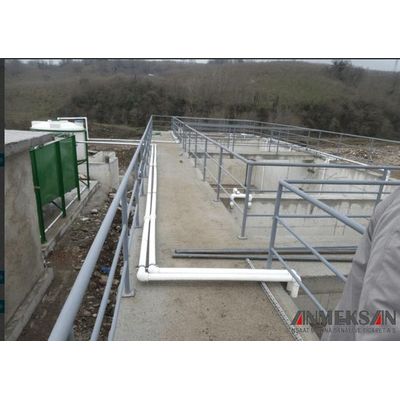
Anmeksan - Biological Wastewater Treatment Plants
Biological wastewater treatment is a treatment process that uses natural processes to help decompose organic matter.
Biological processes rely on bacteria and other small organisms to break down organic waste using normal cellular processes. Wastewater typically contains organic materials such as garbage, waste and partially digested food. It may also contain pathogenic organisms, heavy metals and toxins
The purpose of biological wastewater treatment is to create a system in which the separation results are easily collected for proper disposal. Biological treatment uses both aerobic and anaerobic biological processes to ensure optimal removal of organic matter from waste water.
Biological treatment is used worldwide because it is more effective than many mechanical or chemical processes and is economical in terms of investment and operating costs.
Biological wastewater treatment is a treatment process applied after physical (pre-treatment) treatment. In pretreatment units, precipitates or oils are removed from the waste water.
These processes are generally divided into anaerobic and aerobic processes. “Aerobic” refers to a process where oxygen is present, while “anaerobic” refers to a biological treatment without oxygen.