

- Home
- Companies
- Best Project Material Co., Ltd (BPM)
- Products
- BPM - HDPE Root Barrier
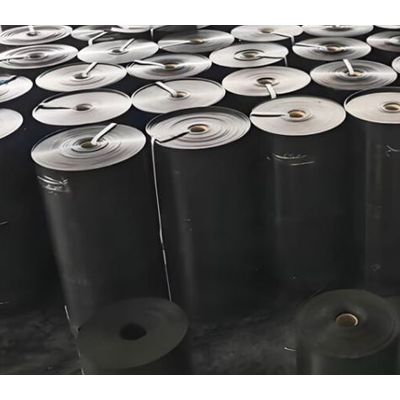
BPM - HDPE Root Barrier
Protecting infrastructure from invasive tree roots is a critical concern for homeowners, landscapers, and urban planners. HDPE Root Barrier is a durable, eco-friendly, and cost-effective solution for managing invasive roots, protecting infrastructure, and promoting healthy tree growth. With thicknesses ranging from 30–100 mil (0.76–2.54 mm), UV resistance, and a 50–100 year lifespan, it offers unmatched reliability for residential, urban, and agricultural applications. Its flexibility, recyclability, and ease of installation make it ideal for diverse projects, from bamboo containment to green roof protection. Whether you’re managing a residential garden or a large-scale urban project, our HDPE root barrier offers unmatched protection and value. Please contact BPM Geomembrane for quality HDPE Root Barrier in bulk order at best factory price.
An HDPE root barrier is a geomembrane high-density polyethylene (HDPE) sheet or roll installed underground to redirect or block the growth of tree and plant roots, preventing damage to nearby structures and utilities. Unlike chemical or permeable barriers, HDPE root barriers are non-permeable, ensuring roots cannot penetrate while maintaining soil moisture balance. These barriers are widely used to protect foundations, pavements, sewer lines, and landscaping from invasive species like bamboo, which can grow 2–3 feet per day, or trees like oaks, whose roots can extend 2–3 times the canopy width.
HDPE root barriers are engineered to withstand harsh environmental conditions, offering a lifespan of 50–100 years when buried. They are typically installed in trenches around tree root balls or along linear infrastructure, guiding roots downward to promote healthy tree growth while preventing structural damage. According to the International Society of Arboriculture, properly installed root barriers reduce infrastructure repair costs by up to 90%, making them a cost-effective solution for both residential and commercial applications.
- Material: High-density polyethylene (97.5% polyethylene, 2.5% carbon black, trace antioxidants) for durability and flexibility.
- Installation Types: Linear (along sidewalks or utilities) or surround (encircling tree root balls).
- Purpose: Protects against root-induced damage, such as cracked foundations ($4,000–$10,000 to repair) or lifted pavements ($1,500–$5,000).
HDPE root barriers are designed with advanced features to ensure long-term performance and ease of use.
Material Composition
- High-Density Polyethylene (HDPE): Offers tensile strength of 15–20 MPa (ASTM D6693) and puncture resistance of 2,000–4,409 N (ASTM D4833), making it ideal for aggressive roots.
- UV Resistance: Treated with UV inhibitors (up to 50% post-consumer content), ensuring 5–10 years of stability in exposed conditions.
- Recyclability: Made from 100% recyclable HDPE, with some variants using recycled materials, reducing environmental impact by 20–30%.
Design Features
- Ribbed Surface: Integrated 90° root-deflecting ribs guide roots downward, reducing circling by 80% and stabilizing trees.
- Continuous Rolls: Available in 20–100 ft lengths (e.g., 12 in. x 20 ft., 24 in. x 100 ft.), minimizing seams and reducing root intrusion risk by 95% compared to panel-style barriers.
- Seam Strength: Overlapped seams (4 ft) with double-sided HDPE tape or 17 mil single-sided tape ensure secure connections.
Dimensions and Sizes
- Widths/Heights: 12–48 inches (30–122 cm), with 24–36 inches standard for most tree species.
- Thickness: 30–100 mil (0.76–2.54 mm), with 40–80 mil common for residential and commercial use.
- Roll Lengths: Up to 100 ft standard, with custom lengths (200+ ft) for large projects.
Durability and Resistance
- Non-Biodegradable: Resists rot, mildew, rodents, and insects, ensuring a 100-year lifespan when buried.
- Chemical Resistance: Withstands acids, greases, and bacteria, making it suitable for harsh soils (pH 4–9).
- Waterproof: Prevents moisture seepage, protecting foundations from soil drying and settlement.
Certifications
- GRI GM13: Meets industry standards for HDPE geomembranes, ensuring quality and performance.
- ISO 9001 and CE: Guarantees manufacturing consistency and compliance with international standards.
- NSF/ANSI 61: Safe for use near water systems or edible plants, critical for agricultural applications.
These features make HDPE root barriers a reliable, long-lasting solution for root control in diverse environments.
HDPE root barriers offer numerous benefits, making them a preferred choice for landscaping and infrastructure protection. Below are the key advantages:
Structural Protection
HDPE root barriers shield foundations, sidewalks, driveways, and utilities from root intrusion, preventing costly repairs. For example, tree roots can cause $4,000–$10,000 in foundation damage or $1,500–$5,000 in pavement repairs. HDPE barriers reduce these risks by 90%.
Promotes Healthy Tree Growth
By guiding roots downward, HDPE barriers encourage deeper root systems, improving tree stability and access to groundwater. This reduces surface root damage by 80% and supports healthy mycorrhizal networks critical for nutrient absorption.
Cost-Effectiveness
Priced at $0.50–$2.00 per square foot, HDPE root barriers are more affordable than metal ($2.00–$5.00 per square foot) or chemical barriers ($1.00–$3.00 per square foot). Their long lifespan (50–100 years) minimizes replacement costs, offering a 20–30% savings over repair expenses.
Eco-Friendly and Recyclable
Made from recyclable HDPE (up to 50% post-consumer content), these barriers reduce environmental impact. They are non-toxic, FDA/NSF-approved for food-safe applications, and do not leach harmful chemicals into soil.
Easy Installation and Versatility
Flexible HDPE sheets can be cut, shaped, or welded to fit complex landscapes, reducing installation time by 15–20%. They are suitable for both linear and surround configurations, adapting to residential, commercial, or agricultural needs.
Durability in Harsh Conditions
With resistance to UV, chemicals, and extreme temperatures (–40°C to 180°C), HDPE barriers perform reliably in hot, cold, or acidic soils (pH <4), outlasting metal barriers by 20–30 years.