


- Home
- Companies
- C‑Component
- Products
- C-Component - Beryllium Oxide Ceramic ...
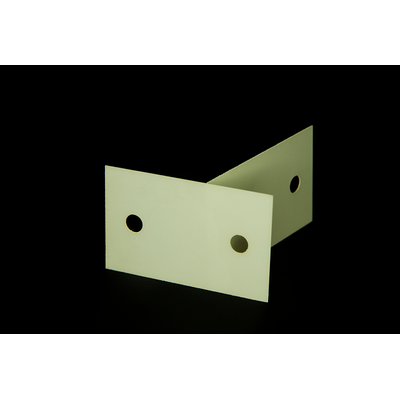
C-Component - Beryllium Oxide Ceramic Substrates
С-Компонент specializes in the manufacturing of high-strength ceramic substrates using beryllium oxide (BeO), tailored to meet the specific structural requirements of clients. These substrates are recognized for their exceptional ceramic strength, reliability, reduced weight, and thermal management capabilities. BeO ceramics are an ideal choice for semiconductor production, advanced defense systems, energy equipment, and medical applications. Additionally, they are suitable for wireless communication components and applications that demand high specific electrical resistivity. The company offers a diverse range of products including thermally conductive insulating pads, spacers, inserts, holders, and specialized components. Alongside beryllium oxide, С-Компонент also produces aluminum nitride (AlN) substrates, ensuring competitive pricing and lead times without compromising on quality. The production capabilities include substrates for thick and thin film technologies, providing polished surfaces and precise thickness tolerances.
S-Component manufactures high strength beryllium oxide (BeO) ceramic substrates with a deep understanding of the unique design features required by our customers. Our beryllium oxide substrates offer superior ceramic strength, reliability, weight reduction and temperature control capabilities.
S-Component manufactures high strength beryllium oxide (BeO) ceramic substrates with a deep understanding of the unique design features required by our customers. Our beryllium oxide substrates offer superior ceramic strength, reliability, weight reduction and temperature control capabilities.
BeO ceramics are ideal for semiconductor manufacturing, advanced defense manufacturing, energy equipment, medical applications, wireless communication components, and applications requiring high electrical resistivity.
- precision scribing (pulse or continuous) with no splashes on the surface;
- punching holes (including non-conical ones), half-holes, slots, etc., forming recesses in the volume of the substrate;
- laser ablation and marking of substrates;
- any geometric design of the workpiece profile;
- cutting and profiling of substrates with a diamond disc;
- grinding and polishing of substrates;
- metallization of substrates.
- highest thermal conductivity (≥250 W/m K);
- low weight (a quarter less than Al2O3, and almost 10% less than AlN);
- corrosion resistance;
- excellent resistance to thermal shock;