

AquaBlok - Composite Aggregate Technology for Remediation
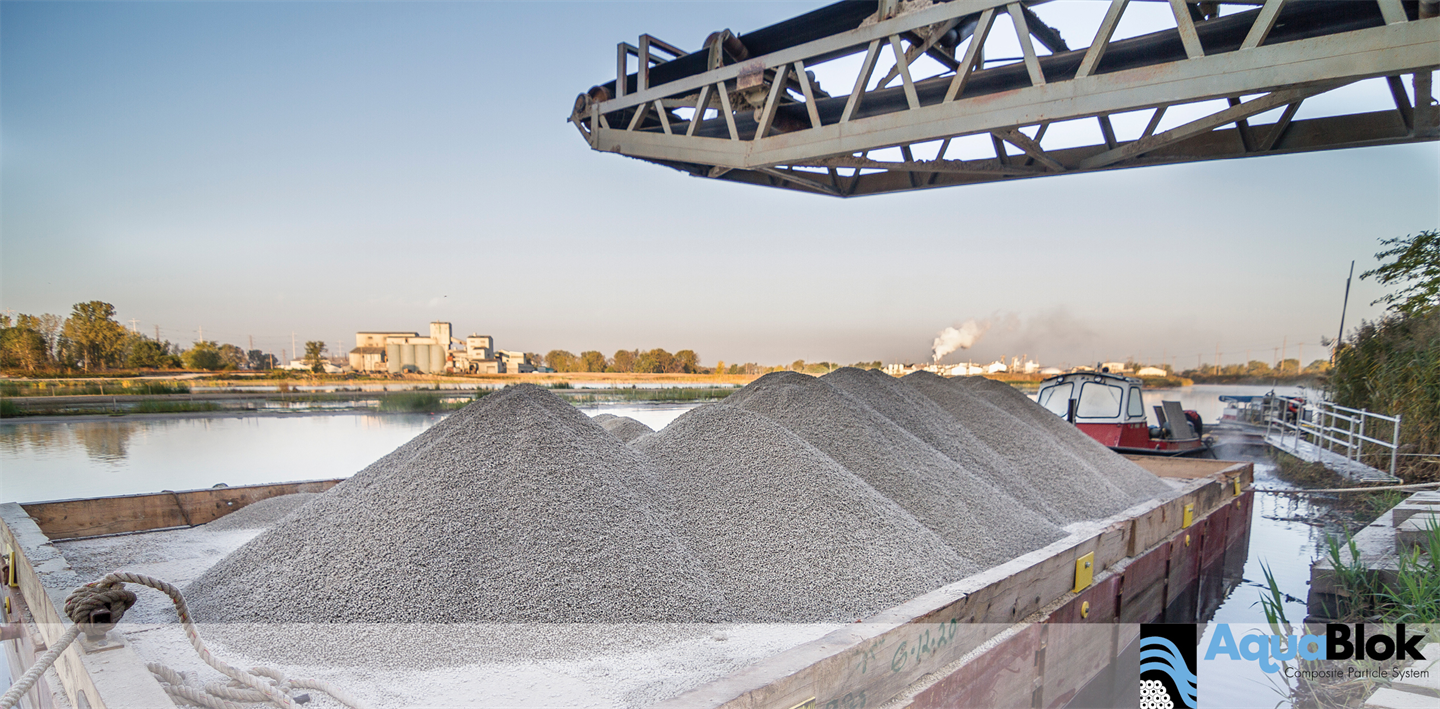
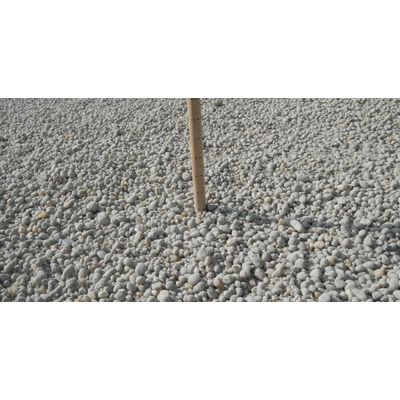
AquaBlok is an advanced composite aggregate technology designed for effective environmental remediation, particularly in the management of contaminated sediments. The product consists of a dense aggregate core surrounded by clay or clay-sized materials, often bentonite clay, and polymers. Designed for both freshwater and marine environments, the technology's parameters like particle size and clay content can be adjusted to meet specific project needs. When hydrated, AquaBlok particles expand and self-compact, forming a cohesive, low-permeability barrier that serves as a physical, hydraulic, and chemical shield against environmental contaminants. It is effectively used as a substrate for wetland vegetation and habitats for organisms, and can integrate faunal or floral elements to aid in ecological restoration. This technology is versatile in its application, including in-situ treatment, dredging, and as a component in complex remediation solutions, offering cost advantages and adaptability in various ecological settings.
AquaBlok particles expand when hydrated, with the degree of net vertical expansion determined largely by the formulation, application thickness, and salinity of the hydrating water. When a mass of particles is hydrated, the mass transforms into a continuous and relatively soft body of material. Once developed, the hydrated AquaBlok material can act as an effective physical, hydraulic, and chemical environmental barrier by virtue of its relatively cohesive and homogeneous character, low permeability to water, and chemically active (sorptive) nature.
AquaBlok can also provide substrate for wetland vegetation and habitat for macroinvertebrate organisms, particularly when additional organic material is provided, either as part of the product formulation or as a surficial dressing. The AquaBlok technology can also deliver plant seeds to a targeted area to facilitate wetland restoration (see discussions related to the SubmerSeed technology, as well as chemical reagents for in situ treatment of environmental contaminants.
- Pond construction: structure bedding
- Dam/berm construction (core trench): slope stabilization
- Anti-seep collars, trench dams: landfill patch
- Temporary & diversion dams: well sealant & grout
- Flood mitigation: wetland restoration
AquaBlok particles expand and self-compact when hydrated, with the degree of net vertical expansion determined largely by the formulation, application thickness and salinity of the hydrating water. When a mass of particles is hydrated, the mass transforms into a continuous and relatively plastic body of material. Once developed, the hydrated AquaBlok material can act as an effective physical, hydraulic, and chemical environmental barrier by its relatively cohesive and homogeneous character, low permeability to water, and chemically active (sorptive) nature.
AquaBlok can also provide substrate for wetland vegetation and habitat for macroinvertebrate organisms, particularly when additional organic material is provided, either as part of the product formulation or as a surficial dressing. The AquaBlok technology can also deliver plant seeds to a targeted area to facilitate wetland restoration (see discussions related to the SubmerSeed® technology, as well as chemical reagents for in situ treatment of environmental contaminants)
For many projects, AquaBlok use generally involves applying dry masses of the product through water and across the surface of contaminated sediments. In a matter of hours, a homogeneous and relatively cohesive, low-permeability cap, or barrier, is formed between contaminated sediments and the overlying water column and its inhabitants. Barrier thickness design and implementation will depend on a number of factors, including: type of formation, water depth and salinity, application thickness, number of lifts applied, and sediment characteristics.
AquaBlok can also be used as a hydraulic/chemical barrier to the movements of water- or sediment- borne contaminants into underlying groundwater resources, or to minimize leaching losses of water from reservoirs or wastewater discharge basins.
Effective management of contaminated sediments may involve remedial capping exclusively or an integration of capping with other management technologies like dredging and/or monitored natural recovery. In situ capping may also be integrated with in situ sediment treatment technologies to affect mass reduction of encapsulated contaminants.
AquaBlok can be handled and installed using commonly available equipment and technologies, including conveyors, excavators, cranes with clamshell buckets, and even helicopters.
Specialized equipment developed for sediment capping can also be used to effectively install AquaBlok sediment caps. The most appropriate installation method(s) will depend on a variety of factors including: water or shoreline access, bank slope, surface water characteristics and ecology, size of the project area, and relative costs.
AquaBlok technology platform approaches to remediation can often result in lower overall project cost when considering site pre-cap dredging, material placement and tolerances, reduced mobilization costs, and reduced risk of remedy when compared to traditional dredge and ex-situ treatment.
Costs for implementing an AquaBlok capping remedy will vary widely depending on a number of project- and site-related factors that will collectively dictate the most appropriate AquaBlok formulation, cap design, and method for cap installation. Project costs will also depend on whether material is packaged and transported to the project site or whether it is manufactured at or near the site. Costs associated with project planning and management; preliminary laboratory studies (if required); cap design; permitting; construction QC; long-term performance and monitoring; and cap maintenance should also be considered.
If you think the AquaBlok composite particle system could be of use in your remediation projects, call us. We will be happy to discuss your project with you and help determine how the AquaBlok technology could integrate into a cost-effective solution.